
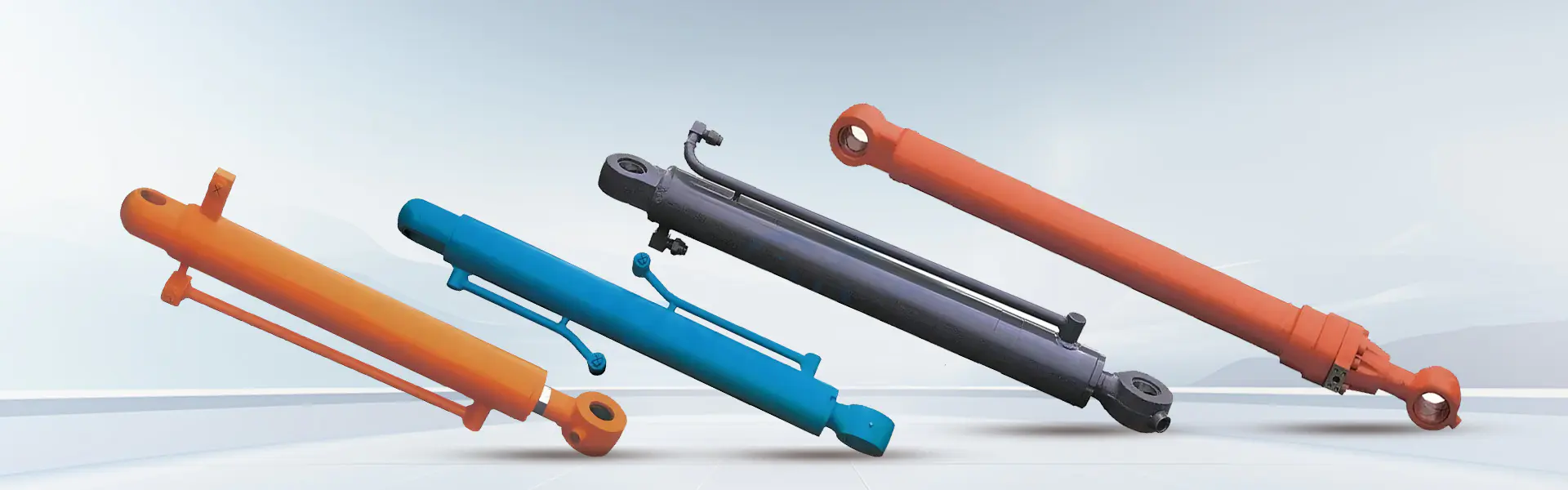
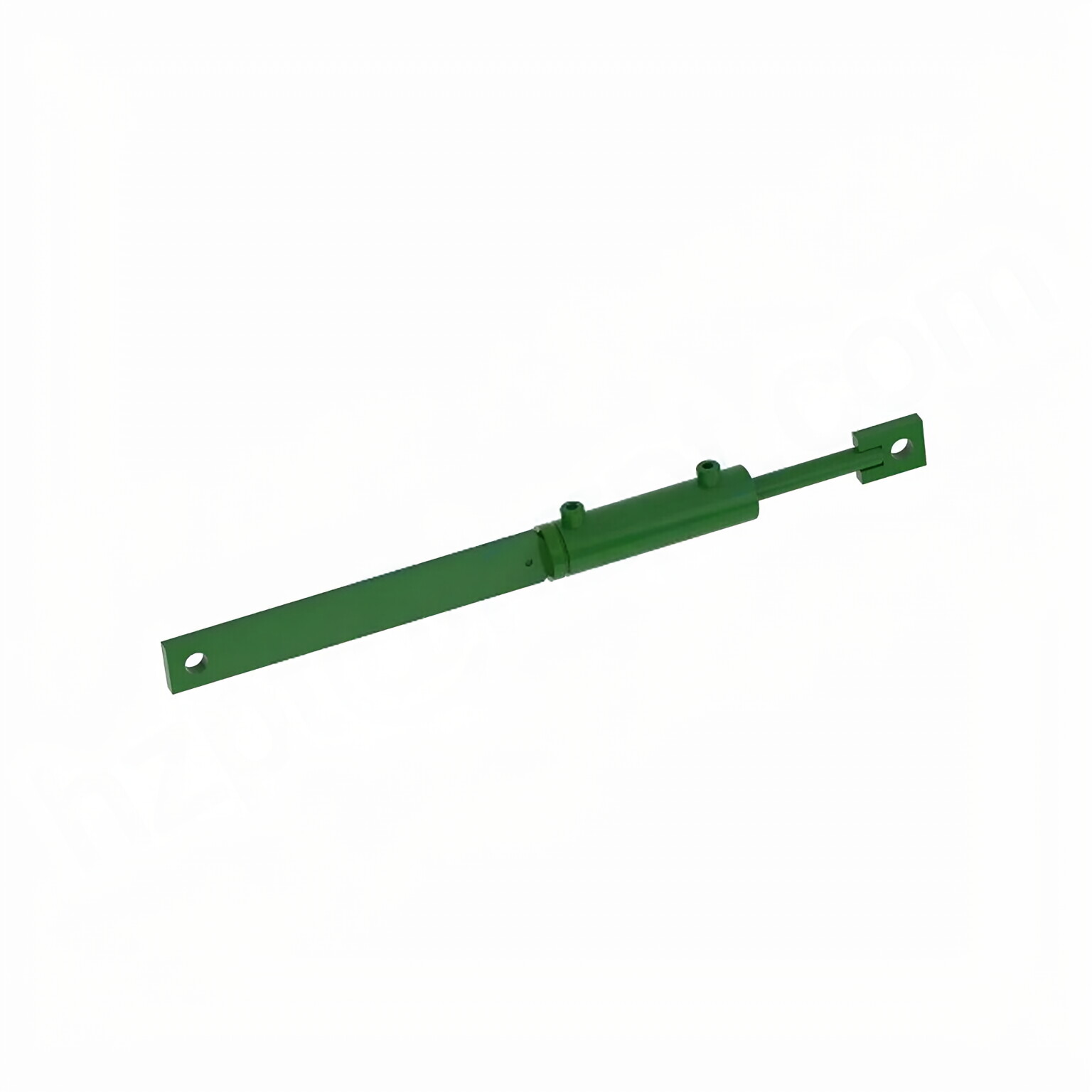
Regular maintenance is crucial to ensure the longevity and optimal performance of your hydraulic cylinder. Below are three common maintenance tasks:
Inspecting the hydraulic cylinder at regular intervals can help identify potential problems before they become major issues. This includes checking for leaks, cracks, and wear and tear.
Proper lubrication is essential for the smooth operation of the hydraulic cylinder. Use the recommended lubricant and follow the manufacturer's guidelines for the frequency and method of application.
Replacing seals and performing calibration checks at regular intervals can help prevent leaks and ensure accurate operation of the hydraulic cylinder. Follow the manufacturer's recommendations for when to replace seals and how to perform calibration checks.
During installation, it is important to provide proper alignment guidance to ensure the hydraulic cylinder is aligned correctly. We recommend using appropriate installation brackets to secure the cylinder in place. We also offer inspection, repair, and replacement services to help extend the lifespan of your hydraulic cylinder.
When working with hydraulic cylinders, safety measures should always be the top priority. This includes wearing appropriate personal protective equipment and following proper lockout/tagout procedures. In addition, environmental factors such as temperature and humidity can affect the performance of the hydraulic cylinder. Be sure to follow the manufacturer's guidelines for the recommended operating conditions.
Some common issues with hydraulic cylinders include leaks, improper operation, and damage to seals or components. Here are some tips for troubleshooting these issues:
If you notice a leak in the hydraulic cylinder, check the seals and connections for damage or wear. Tighten any loose connections, replace damaged seals, and ensure proper lubrication.
If the hydraulic cylinder is not operating properly, check for any obstructions or blockages in the hydraulic lines. Also, check the system pressure and make sure it is within the manufacturer's recommended range.
If seals or other components are damaged, they should be replaced immediately to prevent further damage to the hydraulic cylinder. Follow the manufacturer's guidelines for replacement parts and repair procedures.
Preventative measures such as regular maintenance, proper installation, and following recommended operating procedures can help minimize potential issues with your hydraulic cylinder.
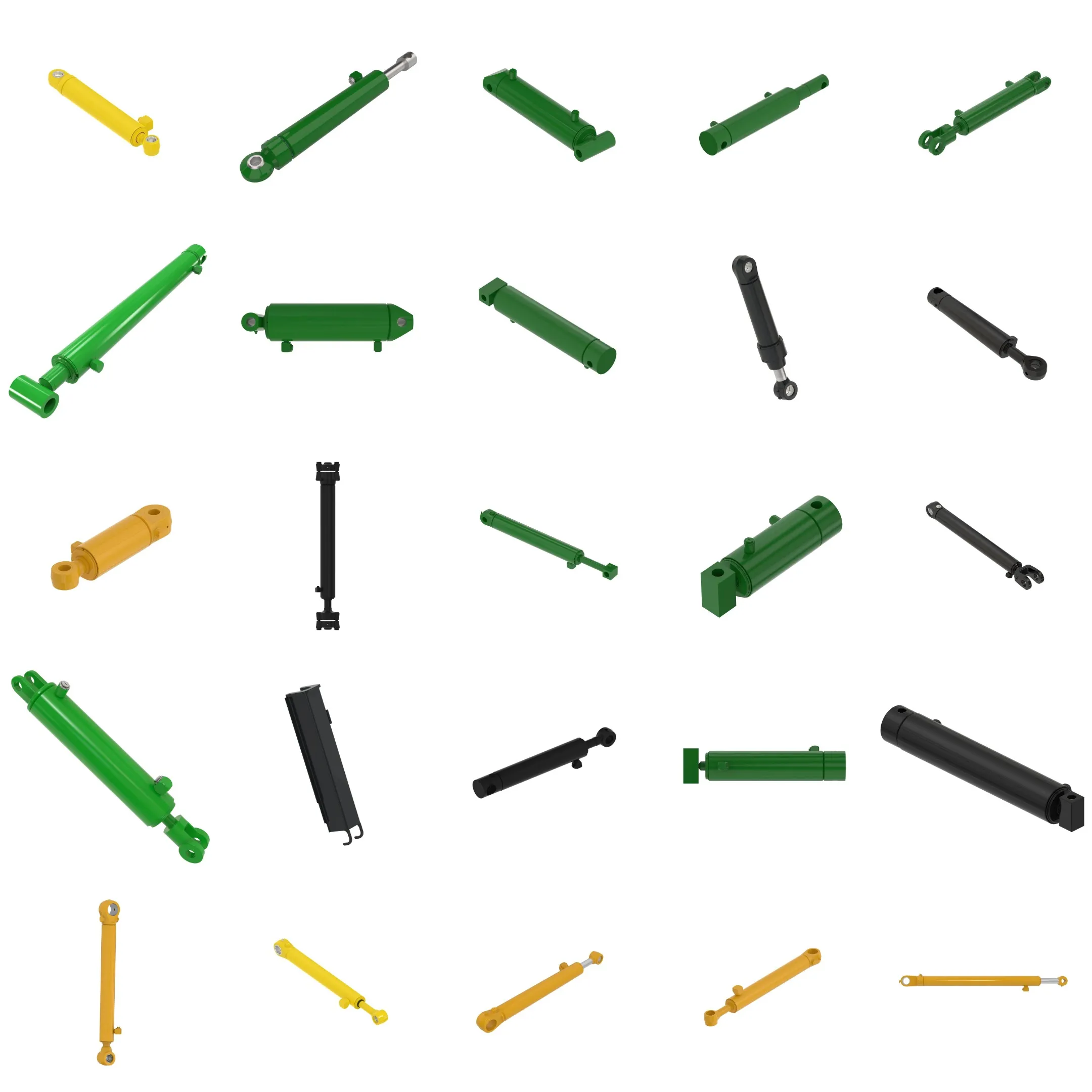
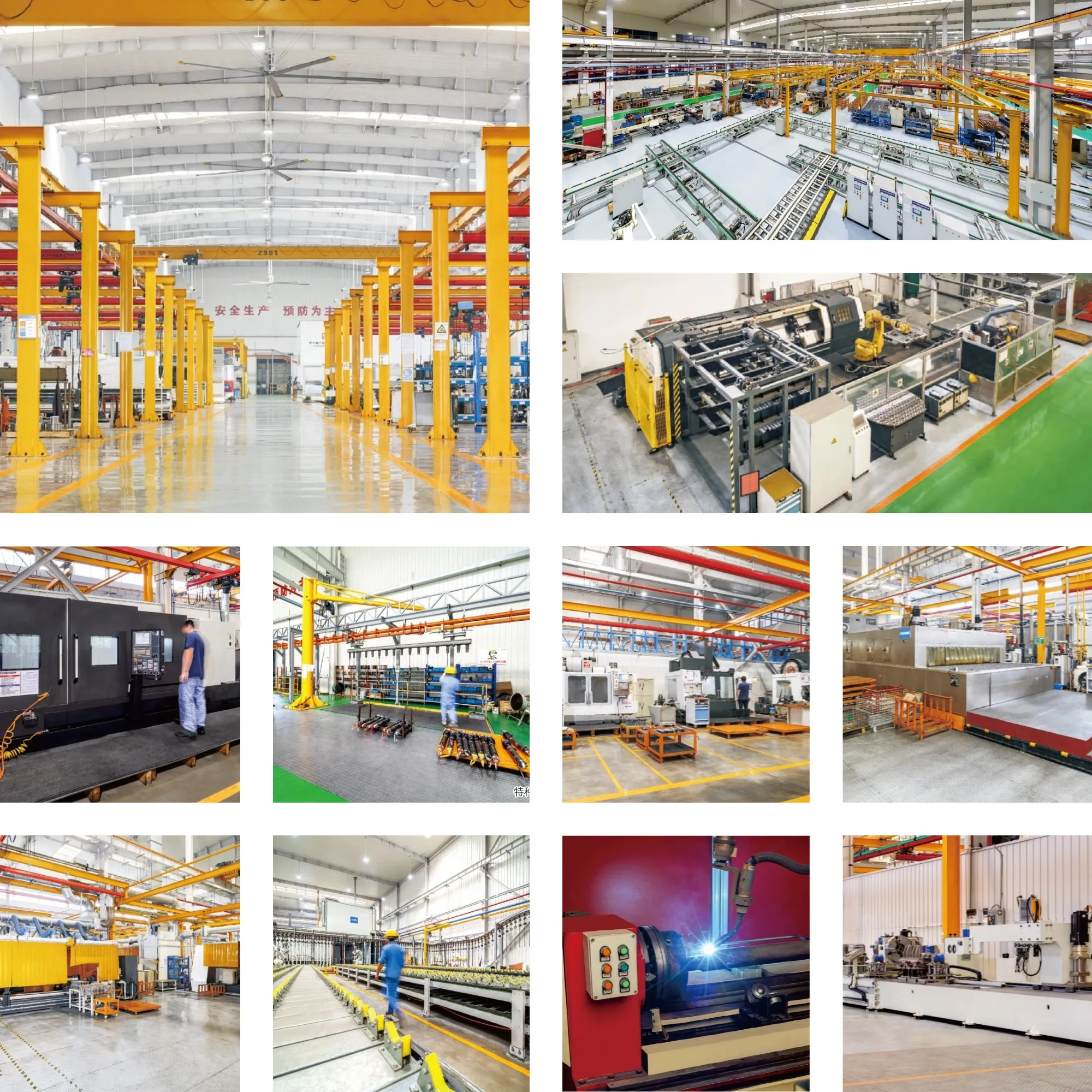
Our company is a leading manufacturer and wholesaler of replacement hydraulic cylinders. We offer a wide range of products and have become one of the leading manufacturers and distributors in the domestic and international markets. Our company is known for its professionalism, international certifications, custom services, advanced production equipment, and exceptional after-sales service.
Author: lyl
Address
Luotuo Industrial Area, Zhenhai District, Ningbo City, China
Tel

 Raydafon