
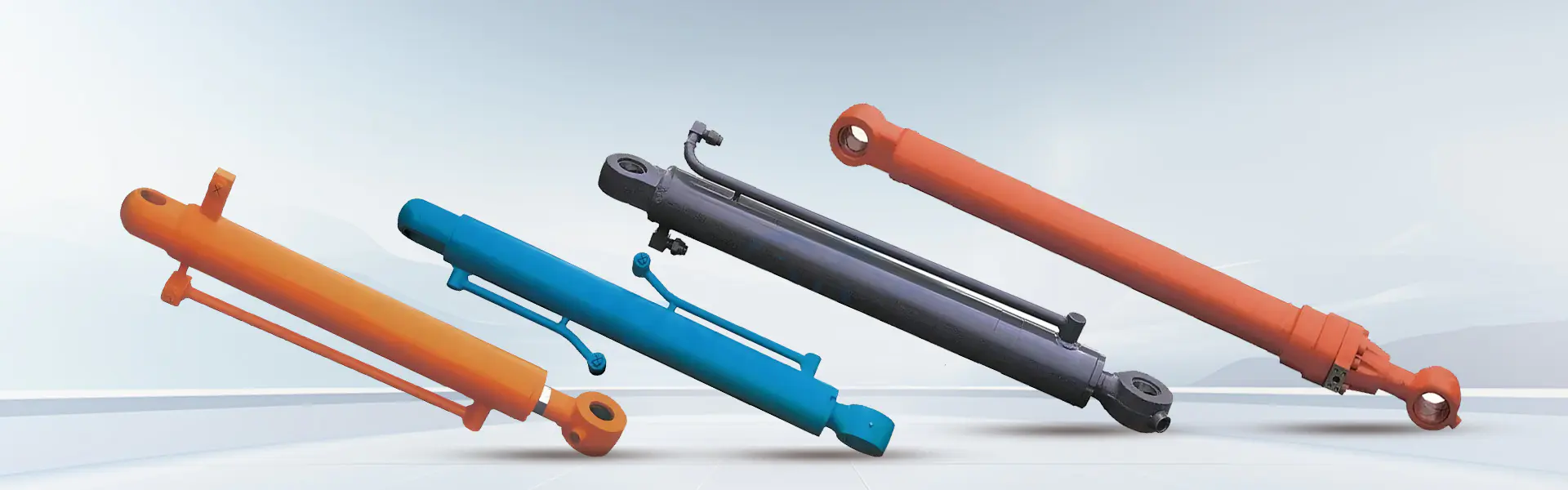
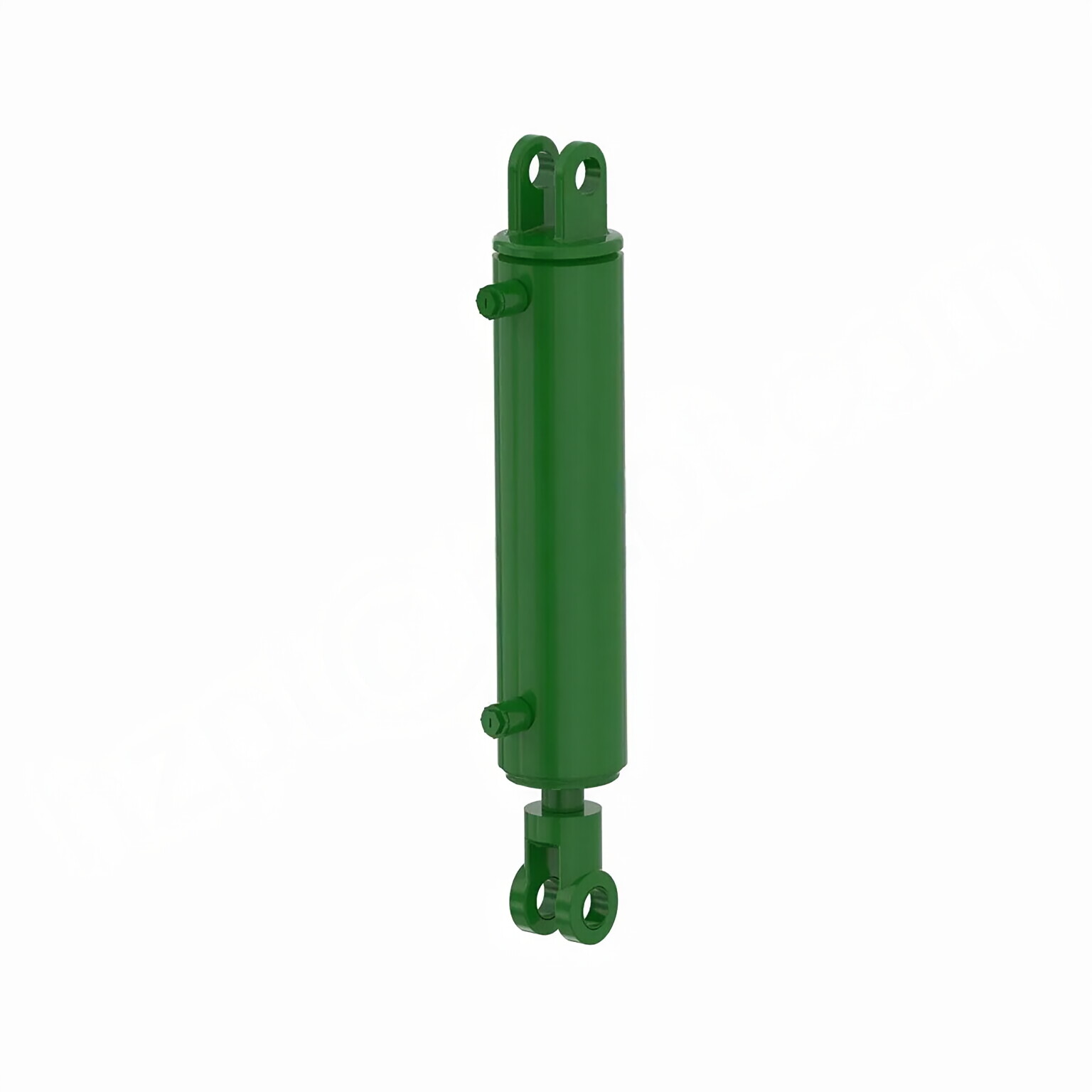
Regular maintenance is key to ensure the longevity and optimal performance of your hydraulic cylinder. Below are three common maintenance tasks:
Periodic inspection of the hydraulic cylinder should be done to detect any potential issues before they become major problems. Inspect the cylinder for any leaks, cracks, or damage to the seals. Check the mounting bolts and make sure they are tight and secure. Also, inspect the hydraulic lines for any wear or damage.
Proper lubrication is essential for the smooth operation of the cylinder. Make sure to use the recommended lubricant and apply it to all moving parts of the cylinder, including the piston and rod. Over-lubrication should be avoided.
Seals can wear out over time and need to be replaced. If there is any damage to the seals, have them replaced immediately to avoid any further damage. Calibration check should also be done to ensure that the cylinder is operating within its designed parameters.
During installation, it is important to ensure that the cylinder is properly aligned. Use appropriate alignment tools and installation fixtures to achieve proper alignment. Using proper installation fixtures also helps to ensure that the cylinder is securely mounted in place.
It is recommended to have a qualified technician to perform any required inspection, repair, or replacement procedures. Replacement parts and rebuild services are also available to extend the life of your hydraulic cylinder.
When working with hydraulic cylinders, it is important to follow proper safety precautions. Always use appropriate personal protective equipment when working with hydraulic systems. Make sure the hydraulic system is depressurized before performing any maintenance tasks.
Environmental factors such as temperature, humidity, and contaminants can also affect the performance of hydraulic cylinders. Keep the cylinder and hydraulic system free from contaminants such as dirt, dust, and water. Make sure the hydraulic fluid is at the proper temperature and viscosity level to ensure optimal performance.
Below are some common issues that can occur with hydraulic cylinders:
This can be caused by several factors such as low fluid level, contaminated fluid, or worn out parts. Make sure to check the fluid level and quality, and inspect the cylinder for any worn out parts.
Leaking can be caused by damaged seals or other components. Inspect the cylinder for any signs of leak and replace the damaged parts.
Slow operation can be caused by low fluid pressure, worn out parts, or contaminated fluid. Make sure to check the fluid pressure, inspect the cylinder for any worn out parts, and replace the contaminated fluid.
It is important to diagnose and address any issues promptly to avoid further damage to the hydraulic cylinder.
Preventive measures such as regular inspection, proper lubrication, and following proper installation and alignment procedures can help minimize potential issues and prolong the life of your hydraulic cylinder.
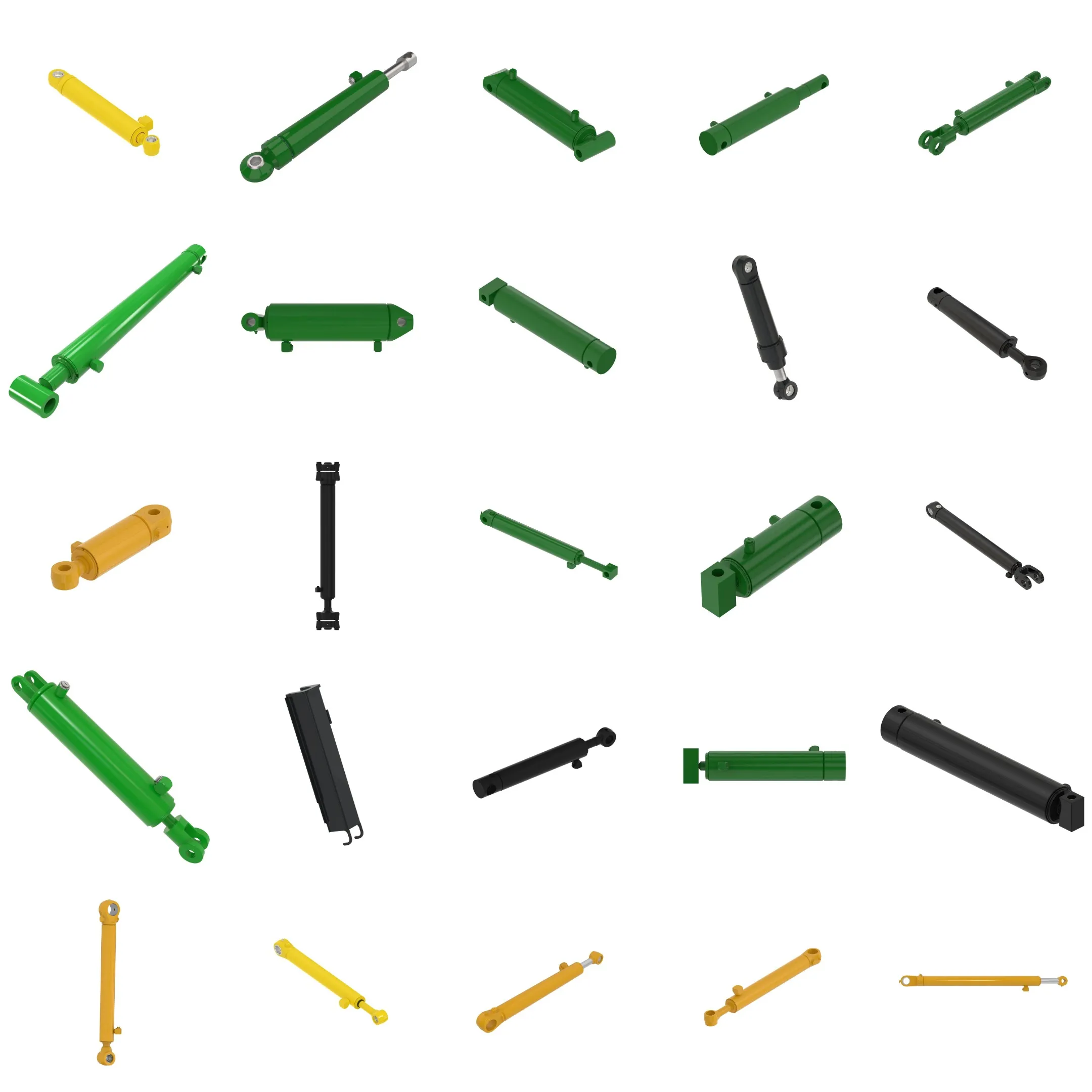
We are a manufacturer of replacement hydraulic cylinders with a wide range of products, making us one of the leading manufacturers and distributors of hydraulic cylinders in domestic and international markets.
Our team of experts has extensive knowledge and experience in hydraulic systems and cylinders. We are certified by international organizations, which ensures that our products meet the highest standards of quality and safety.
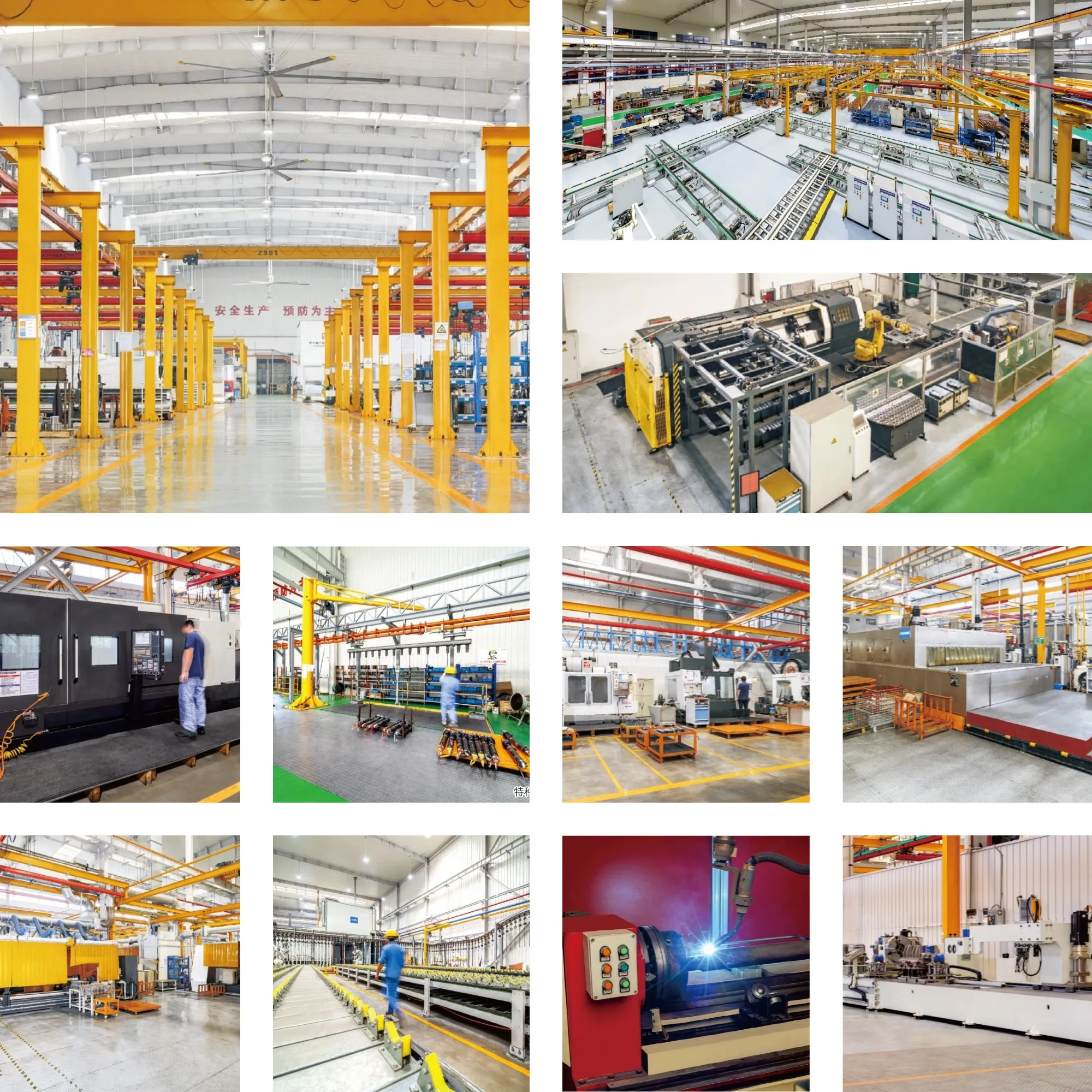
We offer customized solutions to meet the unique needs of our customers. Our state-of-the-art production equipment ensures that we can produce high-quality and reliable hydraulic cylinders.
We provide comprehensive after-sales support to our customers. Our team of technicians is always ready to assist with any issues or concerns that our customers may have.
Author: lyl
Replacement Of Hydraulic Cylinder and Replacement Of John Deere Hydraulic Cylinder are important tasks that require proper installation, maintenance, and troubleshooting. By following the recommended maintenance tasks and safety precautions, users can prolong the life of their hydraulic cylinders and avoid potential issues.
Address
Luotuo Industrial Area, Zhenhai District, Ningbo City, China
Tel

 Raydafon