
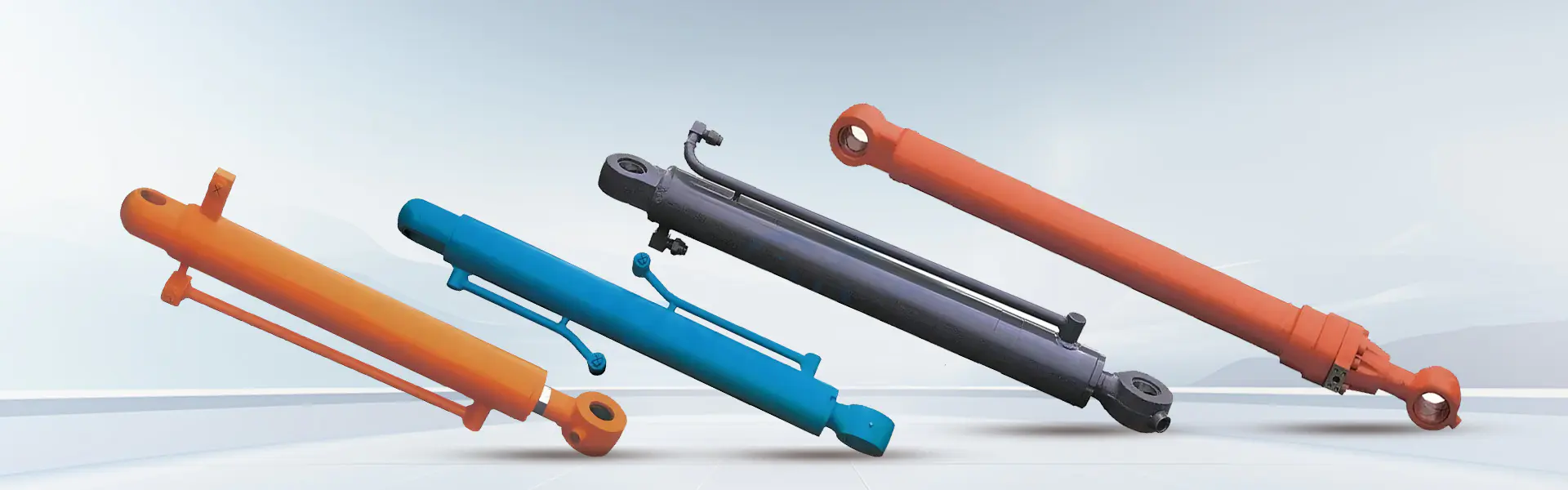
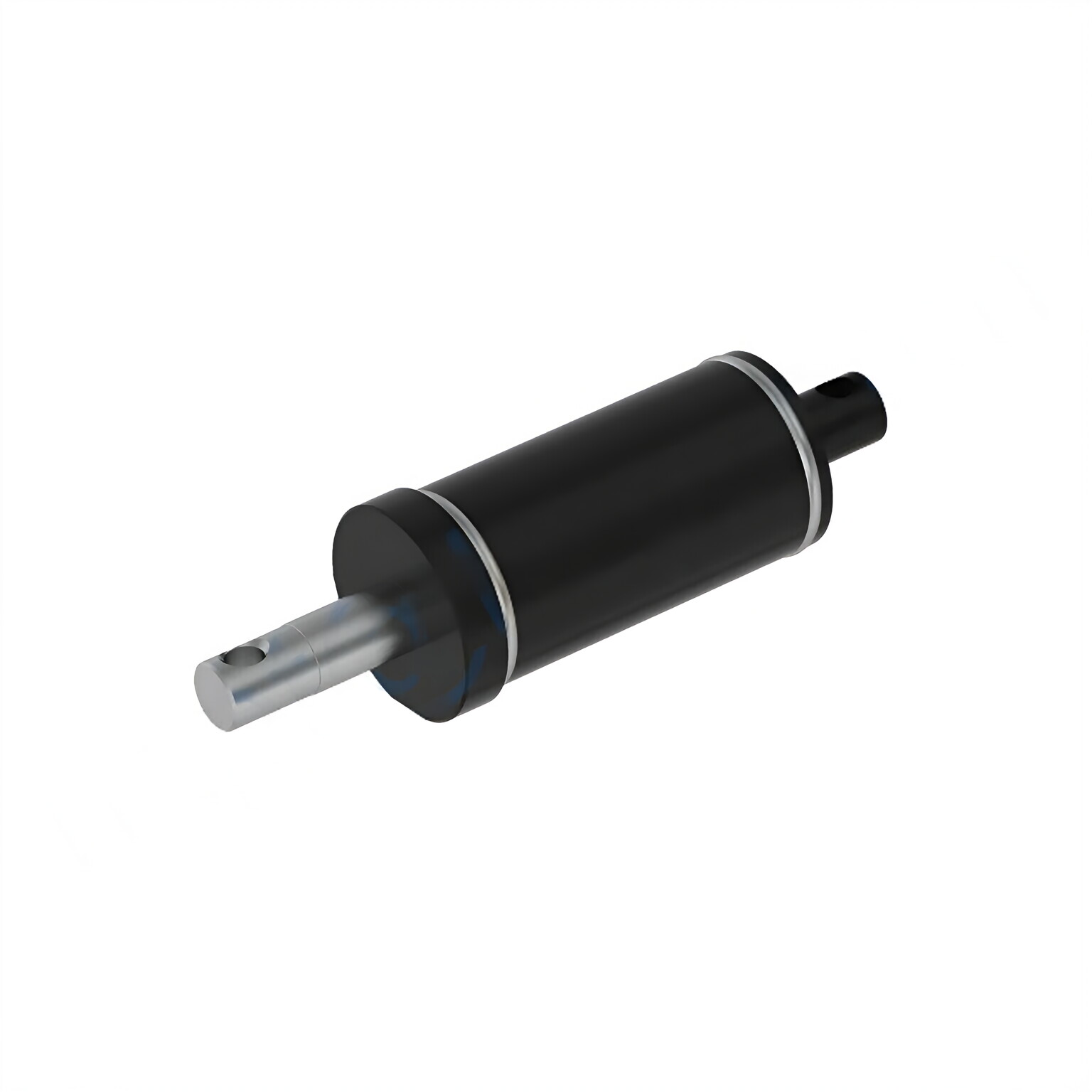
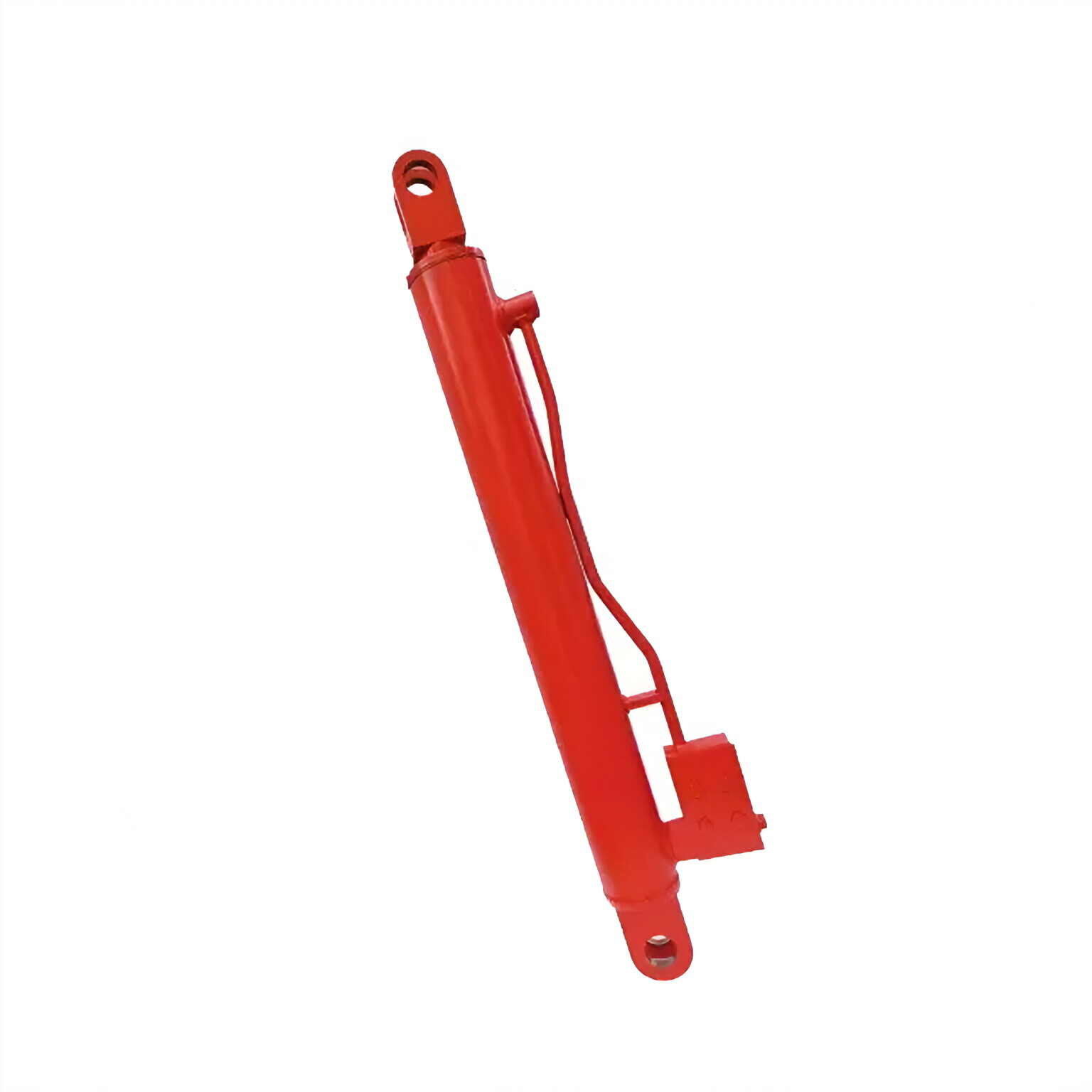
Regularly inspect the hydraulic cylinder for any signs of damage or wear. This includes checking for leaks, dents, or bent components. Inspect the mounting brackets and connections for stability and proper alignment.
Ensure the hydraulic cylinder is properly lubricated according to the manufacturer's recommendations. Use the appropriate lubricant and apply it to the necessary components to reduce friction and ensure smooth operation.
If there are any signs of seal deterioration or leakage, it is important to replace the seals promptly. This will prevent further damage to the hydraulic cylinder and maintain its optimal performance.
Periodically check and calibrate the hydraulic cylinder to ensure it is operating within the specified parameters. This will help maintain accuracy and prevent potential issues.
Proper installation, lubrication, and adjustment are crucial for the optimal functioning of the hydraulic cylinder. Incorrect installation can lead to misalignment and premature wear, while inadequate lubrication can result in increased friction and reduced efficiency. Regular adjustments ensure the hydraulic cylinder operates smoothly and maintains its desired performance.
When using hydraulic cylinders, it is essential to prioritize safety measures. Proper handling, use of protective equipment, and adherence to safety guidelines are crucial to prevent accidents and injuries. Additionally, considering environmental factors such as temperature, humidity, and exposure to corrosive substances can help ensure the longevity and performance of the hydraulic cylinder.
1. Leakage: Check for any visible signs of oil leakage and inspect the seals and connections for damage. Replace any worn-out seals or tighten loose connections.
2. Slow or Erratic Movement: Check the hydraulic fluid level and ensure it is within the recommended range. Inspect the control valves and hydraulic lines for any blockages or damage. Clean or replace components as necessary.
3. Excessive Vibrations or Noisy Operation: Inspect the mounting brackets and connections for looseness or misalignment. Check for damaged or worn-out components, such as pistons or rods, and replace them if necessary.
1. For leakage issues, ensure all connections are properly tightened and seals are in good condition. Use sealant or gaskets as needed.
2. If experiencing slow or erratic movement, check the hydraulic fluid for contamination and replace if necessary. Purge air from the system and check for any obstructions in the hydraulic lines.
3. To address excessive vibrations or noise, inspect and tighten all mounting brackets and connections. Replace any damaged or worn-out components to ensure proper operation.
4. Preventive measures such as regular maintenance, proper lubrication, and correct usage can help minimize potential issues and maximize the lifespan of the hydraulic cylinder.
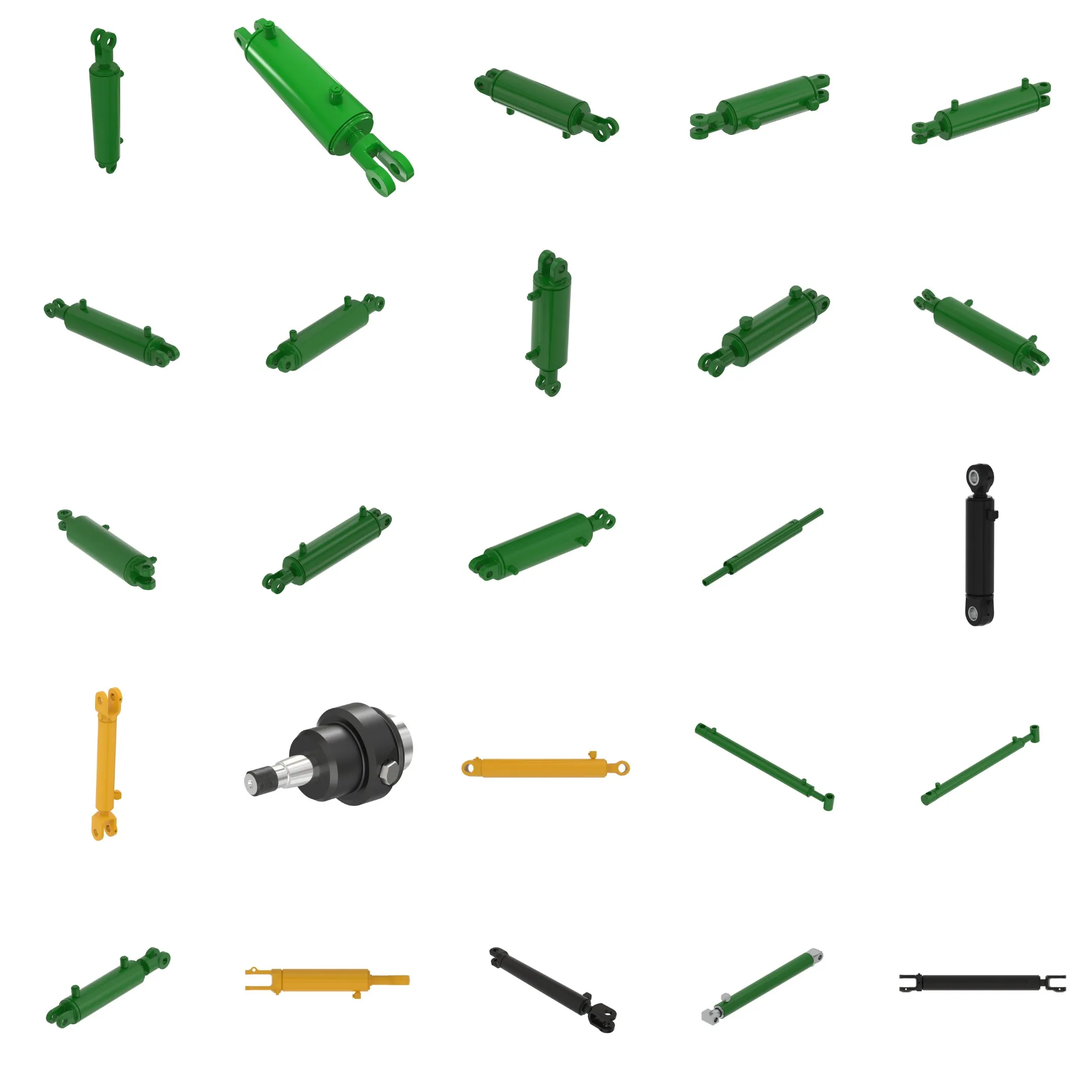
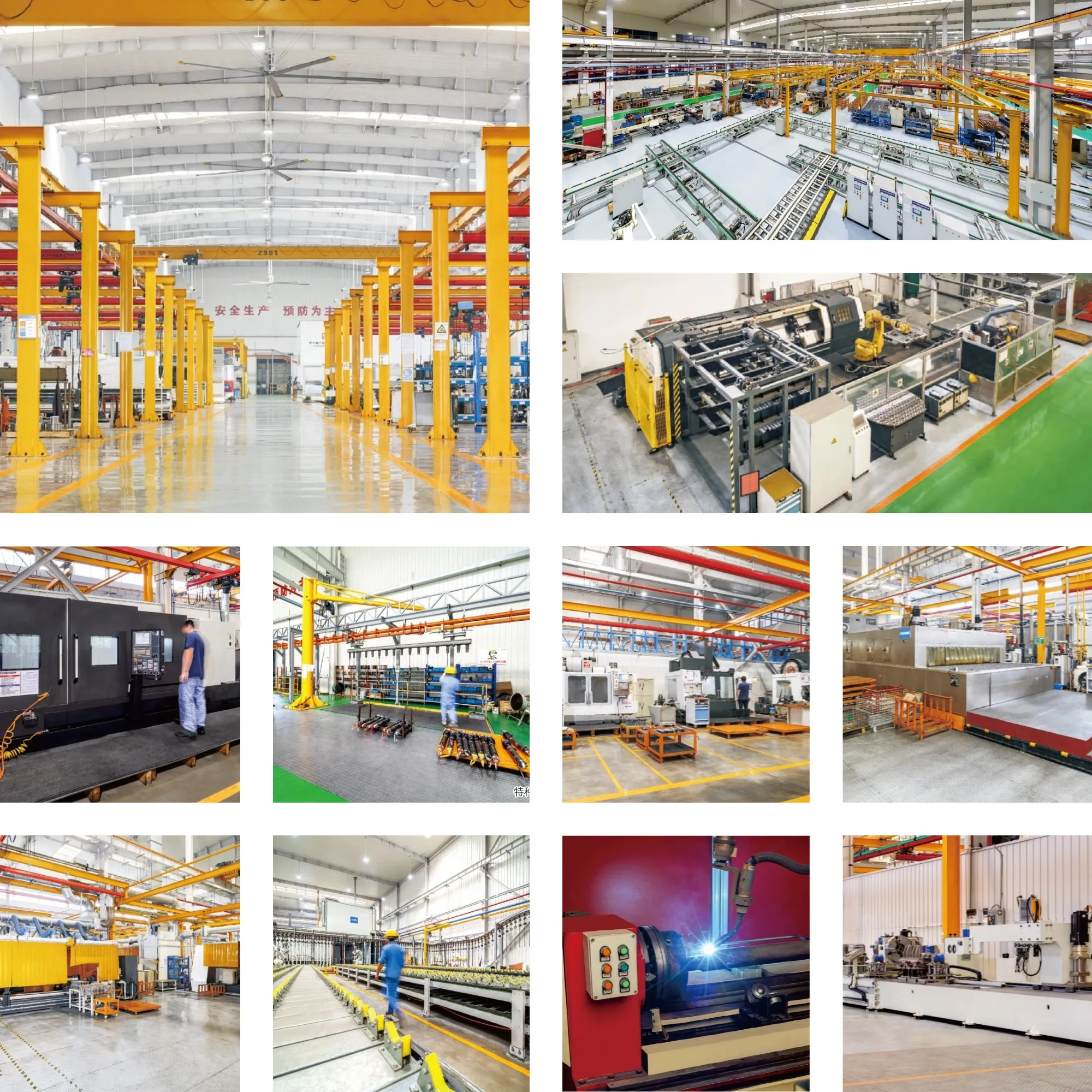
We are a manufacturer of replacement hydraulic cylinders, offering a wide range of products. As one of the leading manufacturers and wholesalers in the domestic and international markets, we provide comprehensive solutions for hydraulic cylinders.
Author: lyl
Address
Luotuo Industrial Area, Zhenhai District, Ningbo City, China
Tel

 Raydafon