
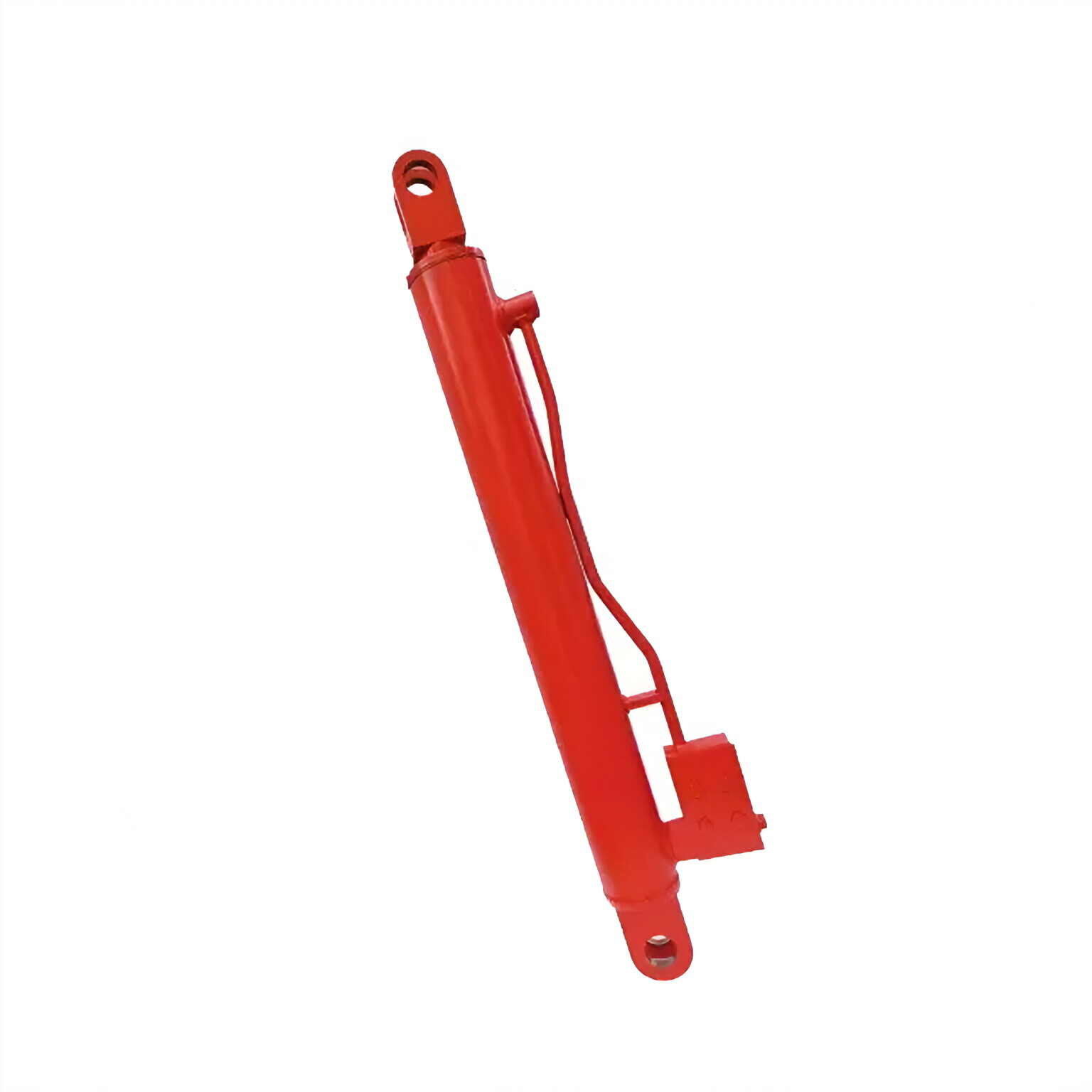
Regular maintenance is crucial to ensure the longevity of your hydraulic cylinder. Here are three common maintenance tasks:
Periodically inspect the hydraulic cylinder for any signs of wear or damage. Check for leaks, cracks, or misalignment. Regular inspection can help identify issues before they become major problems.
Proper lubrication is essential to keep the cylinder functioning smoothly. Be sure to use the appropriate lubrication for your specific cylinder's design and operating conditions. Over-lubrication can be just as harmful as under-lubrication, so be sure to follow the manufacturer's recommendations.
Seals are crucial components that keep the hydraulic fluid contained and prevent leaks. Replace any worn or damaged seals immediately to prevent fluid loss or contamination. Regular calibration checks can also help ensure that the cylinder is operating within its specified parameters.
During installation, it is important to provide proper guidance and align the cylinder correctly. We recommend using appropriate installation fixtures to secure the cylinder in place. If you are unsure about installation or maintenance procedures, consult a certified technician.
When working with hydraulic cylinders, safety is of utmost importance. Always follow proper safety procedures and wear appropriate personal protective equipment when handling or working near a cylinder. Avoid using damaged or worn equipment, and never exceed the recommended operating pressure.
It is also important to consider the environmental impact of hydraulic cylinders. Proper disposal of used or damaged cylinders is essential to prevent contamination of the environment. Be sure to follow local regulations and guidelines for hydraulic cylinder disposal.
Hydraulic cylinders can experience a variety of issues over their lifespan. Here are some common problems and their potential causes:
Leakage can be caused by worn or damaged seals, misalignment, or excessive pressure. Inspection and replacement of seals can often resolve the issue.
Slow operation can be caused by insufficient lubrication, low hydraulic fluid levels, or worn components. Be sure to follow proper lubrication procedures and check fluid levels regularly.
Overheating can be caused by excessive pressure, insufficient fluid flow, or a malfunctioning cooling system. Be sure to follow recommended operating parameters and check the cooling system regularly.
If you experience any issues with your hydraulic cylinder, consult a certified technician for proper diagnosis and repair.
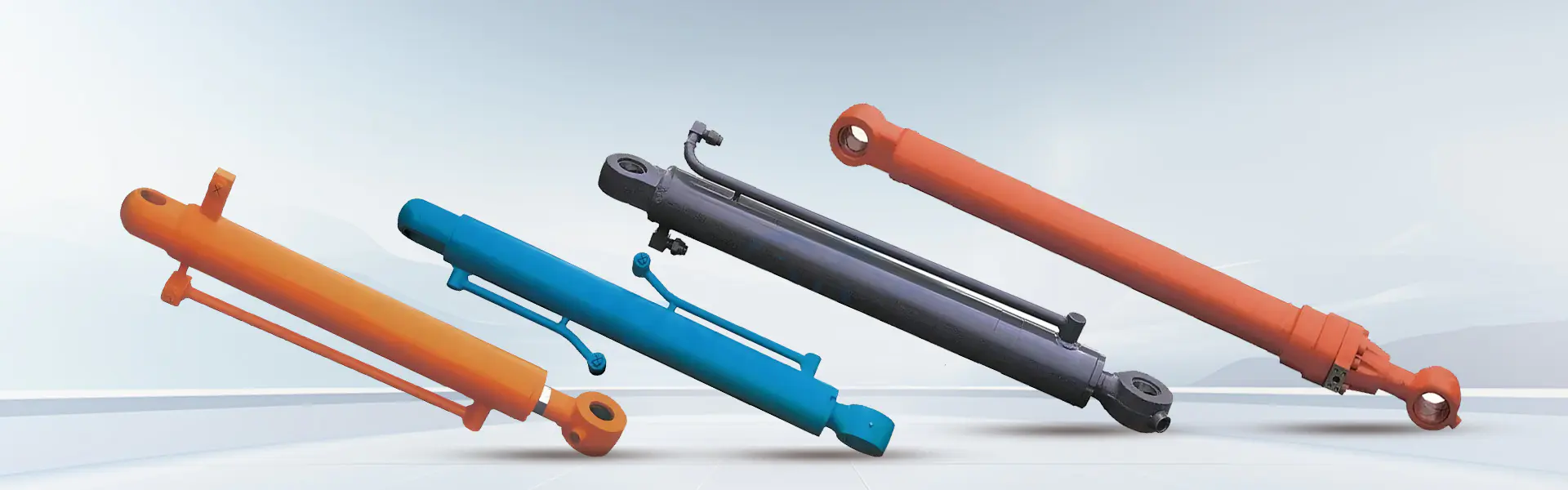
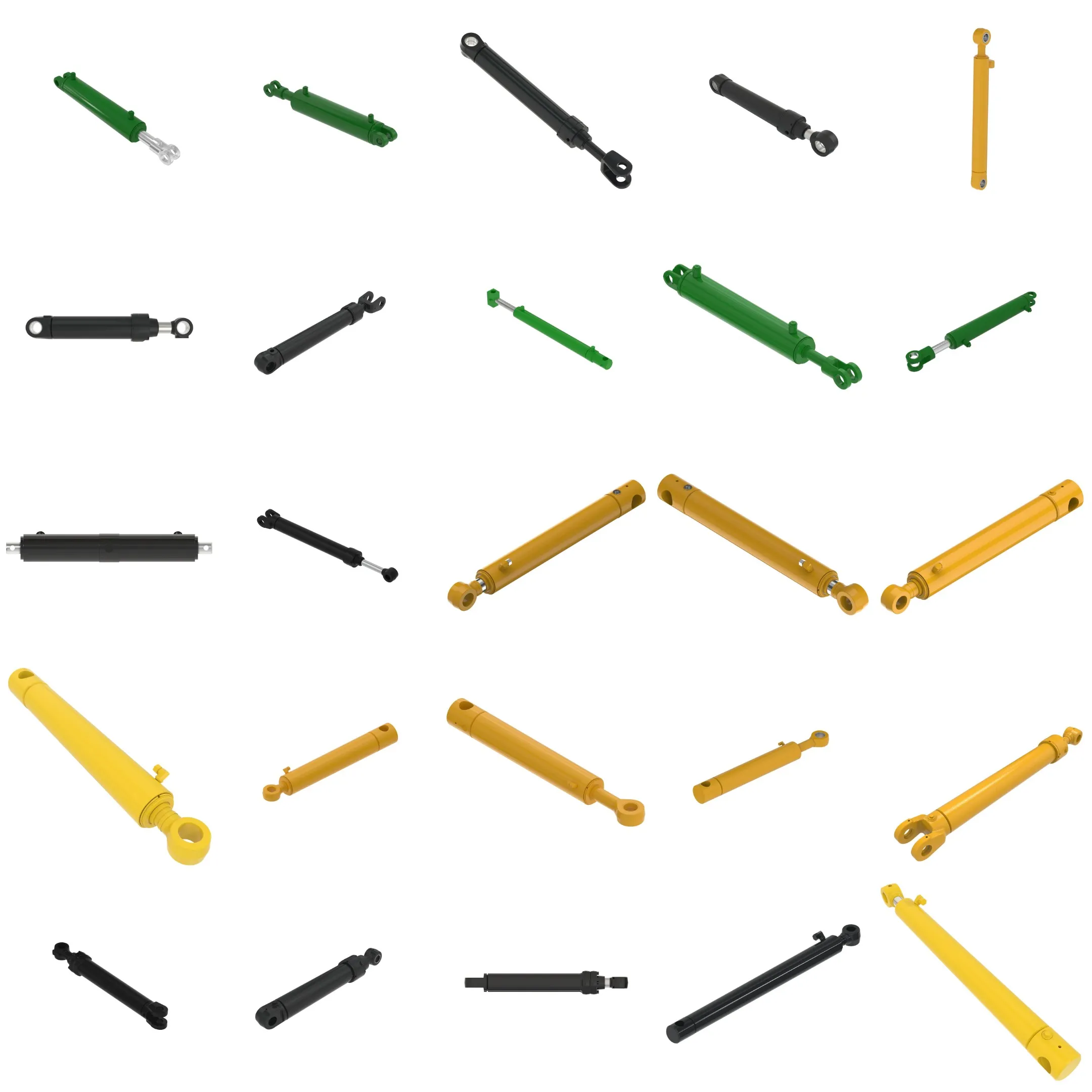
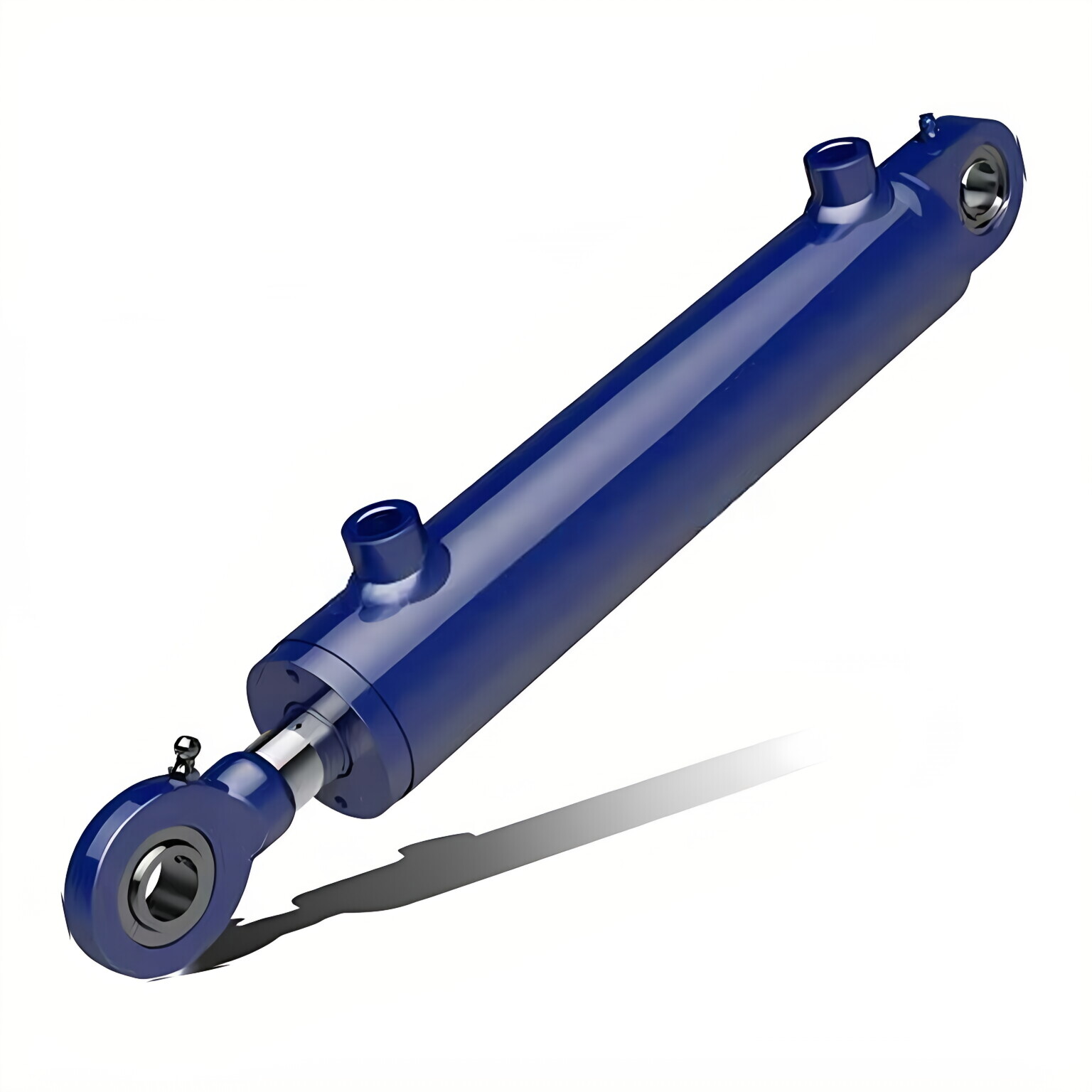
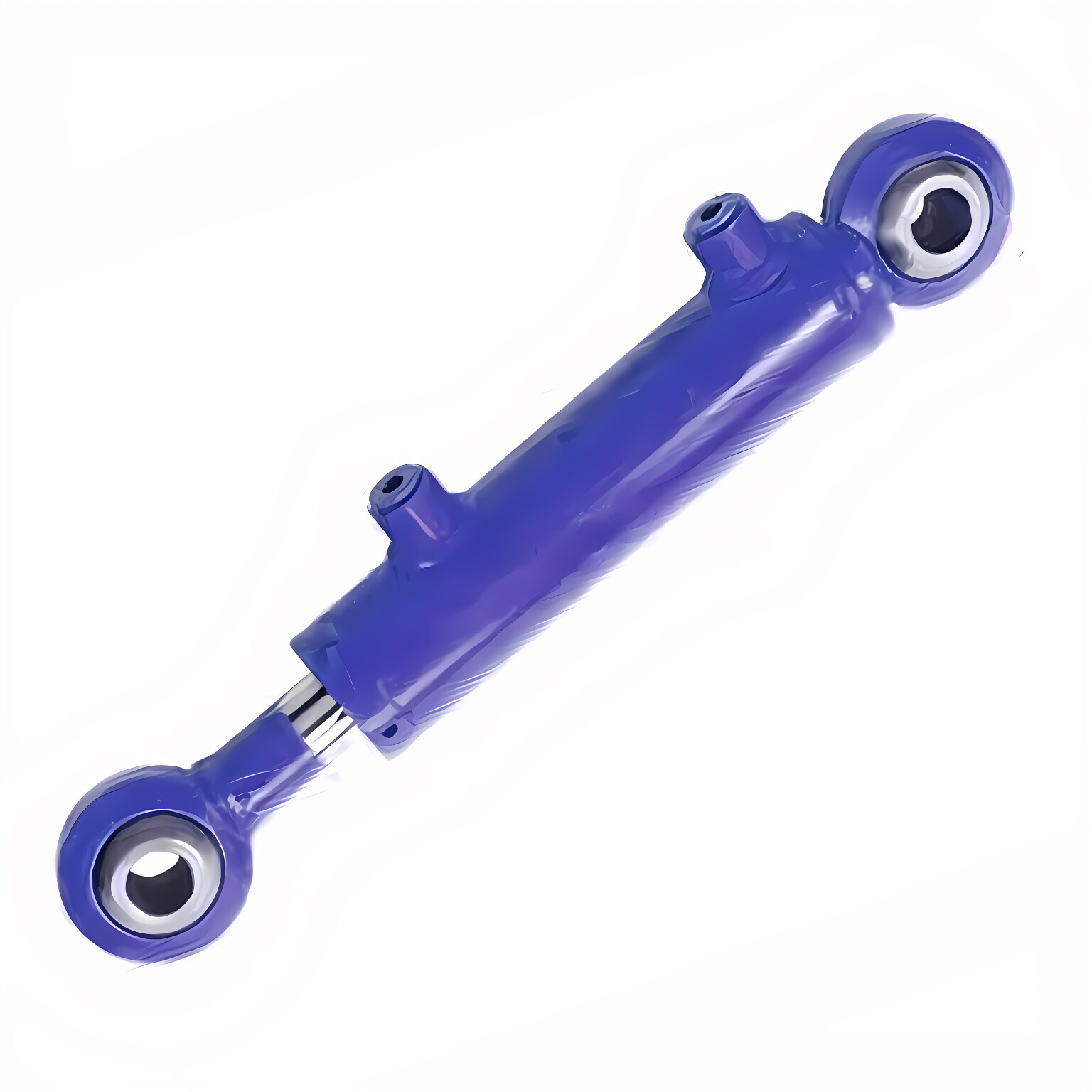
Our company is a manufacturer of replacement hydraulic cylinders. We offer a wide range of products and have become one of the leading manufacturers and wholesalers of hydraulic cylinders in domestic and international markets.
Our team of experts is dedicated to providing the highest level of professionalism and service to our customers. We strive to exceed customer expectations and provide solutions to meet their specific needs.
Our products have passed various international certifications, including ISO9001, CE, and RoHS. We are committed to providing high-quality products that meet international standards.
We understand that every customer has unique requirements. That's why we offer customization services to meet specific needs. Our team of experts can work with customers to design and manufacture custom hydraulic cylinders.
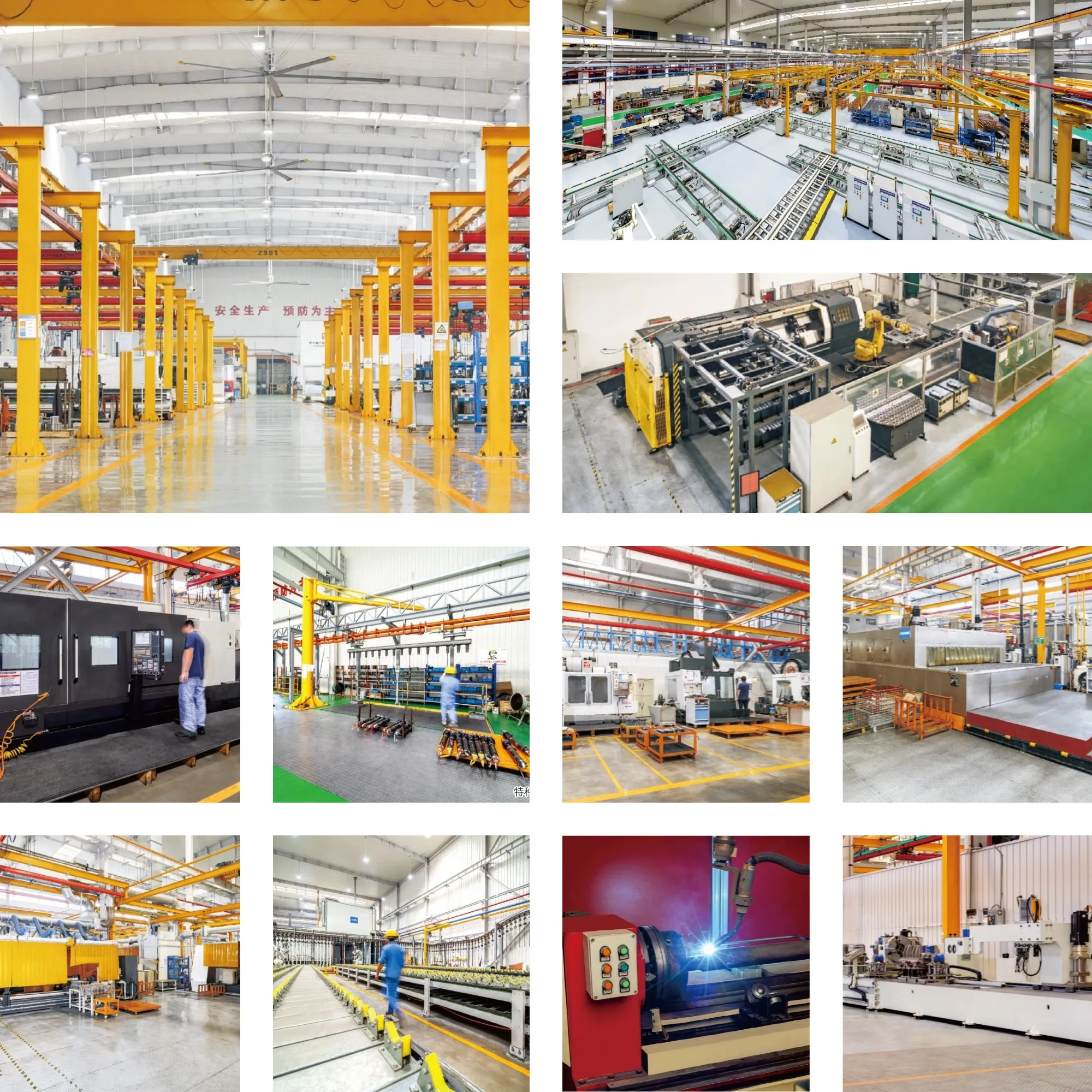
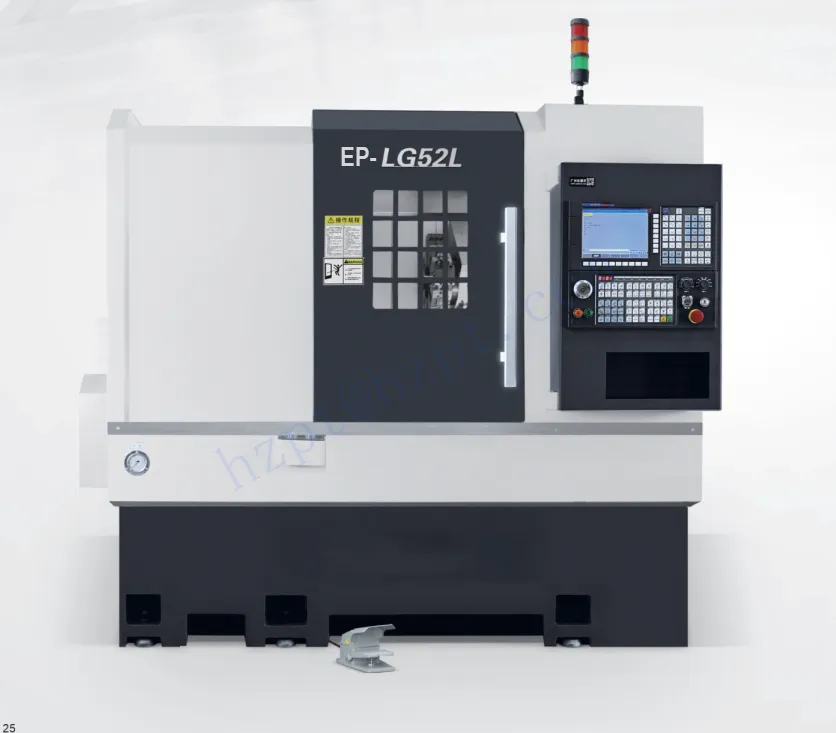
We have advanced production equipment, including CNC machines, hydraulic cylinder testing machines, and surface treatment equipment. Our modern manufacturing facility allows us to produce high-quality products efficiently.
We are committed to providing exceptional after-sales service to our customers. Our team of experts is available to answer any questions and provide support throughout the entire lifecycle of the product.
Author: lyl
Address
Luotuo Industrial Area, Zhenhai District, Ningbo City, China
Tel

 Raydafon