
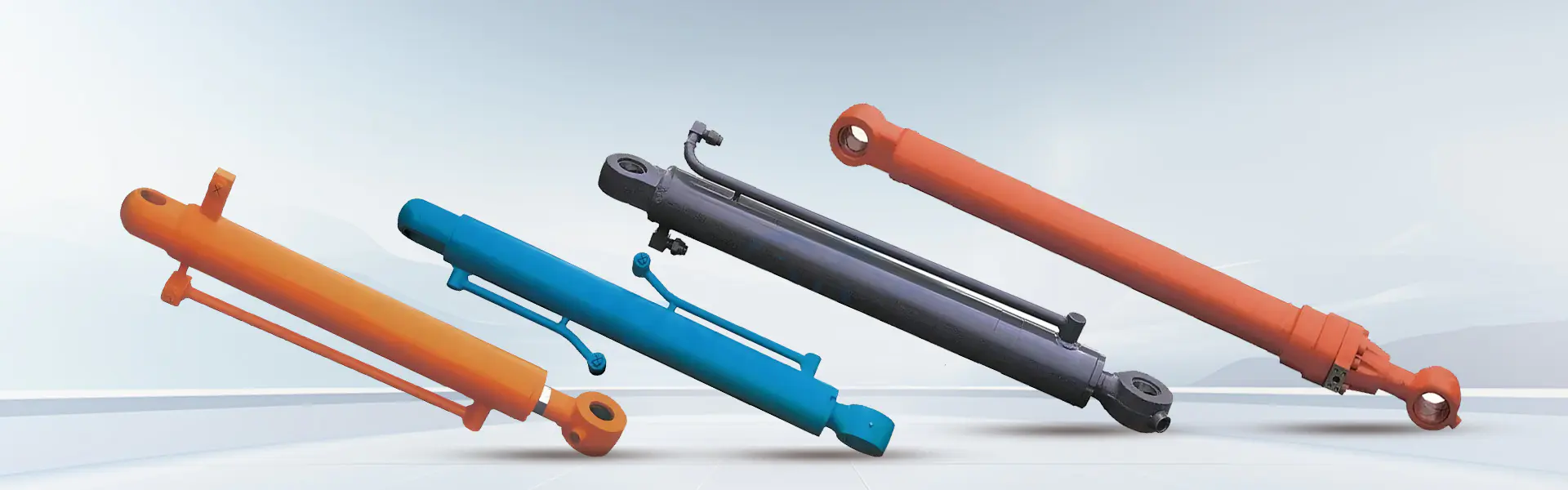
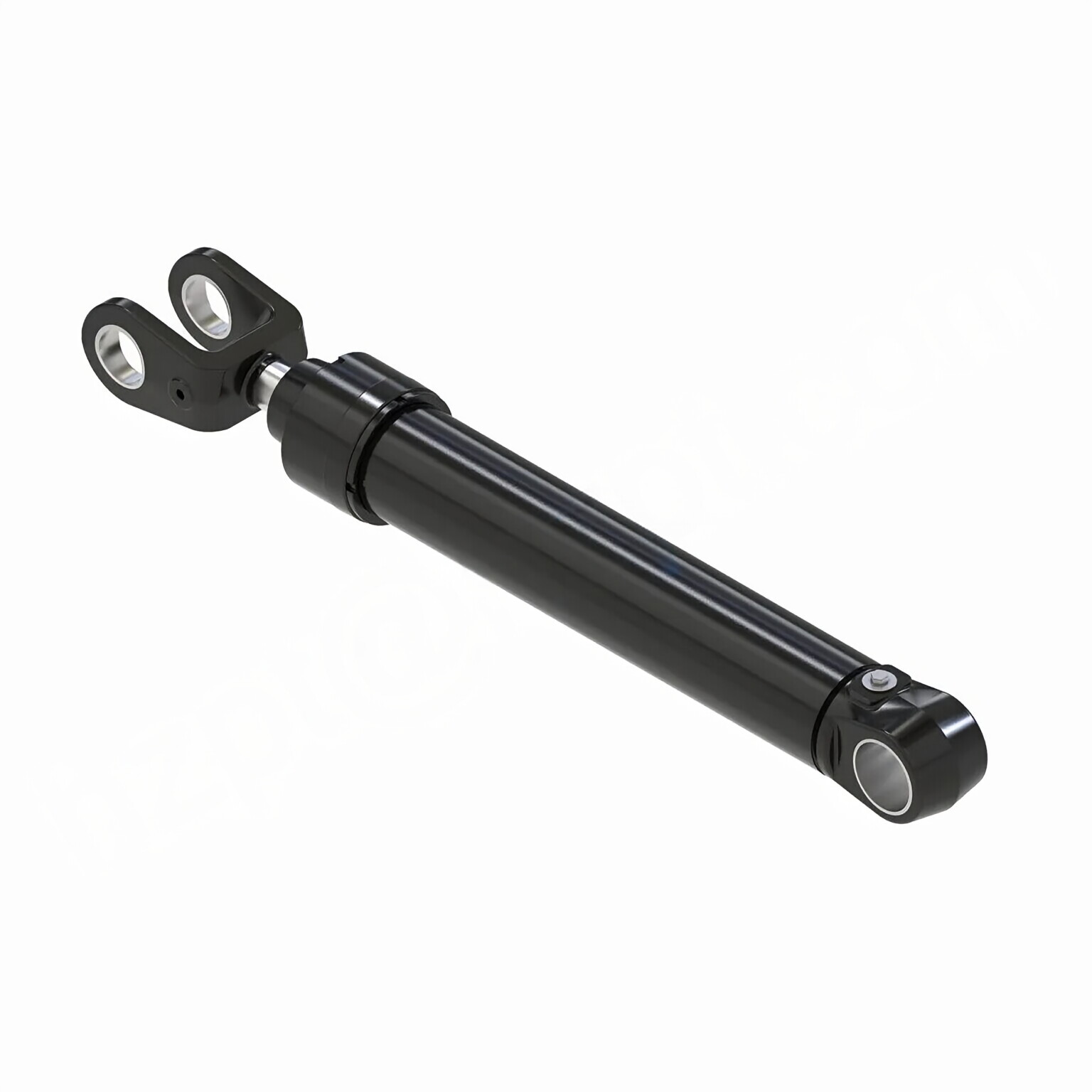
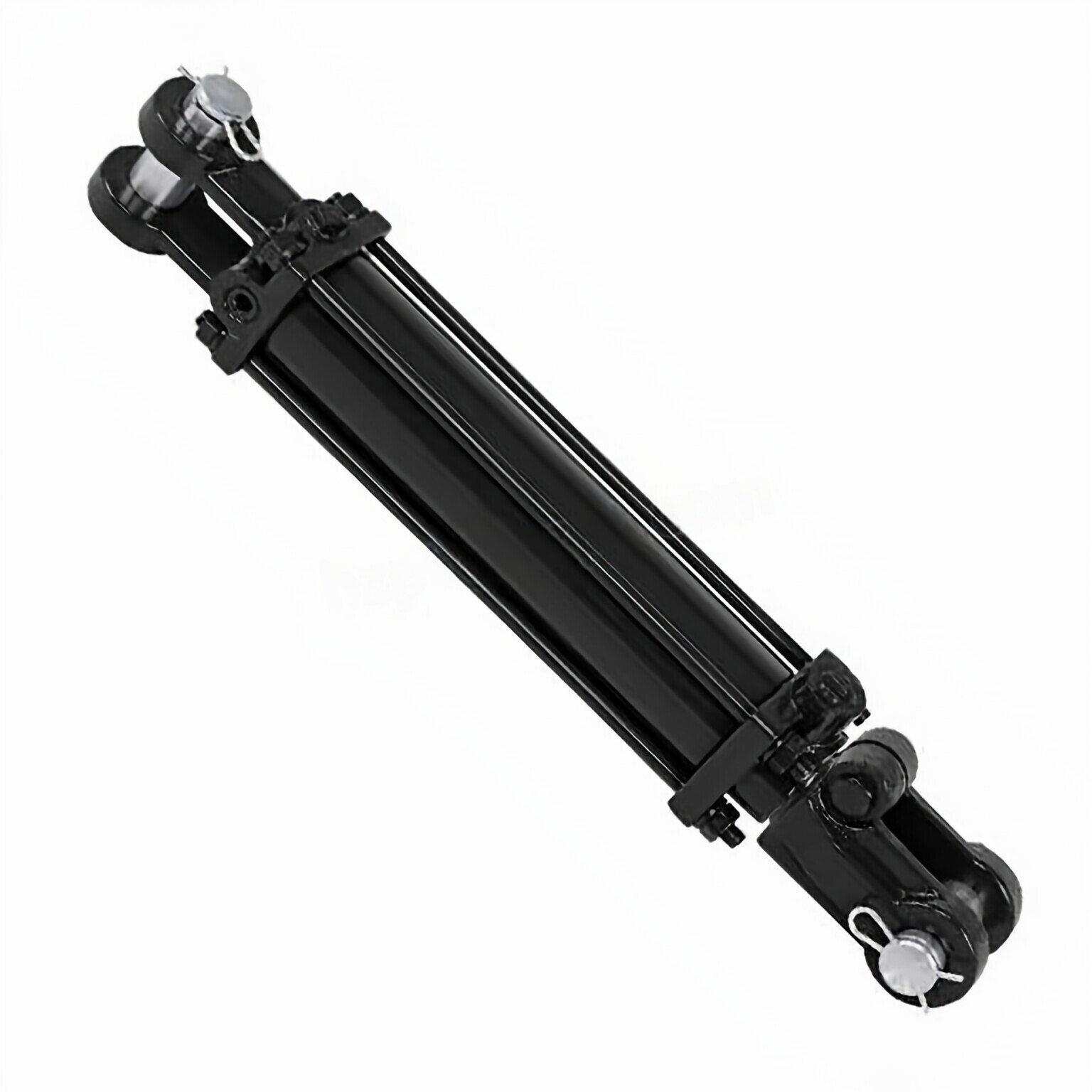
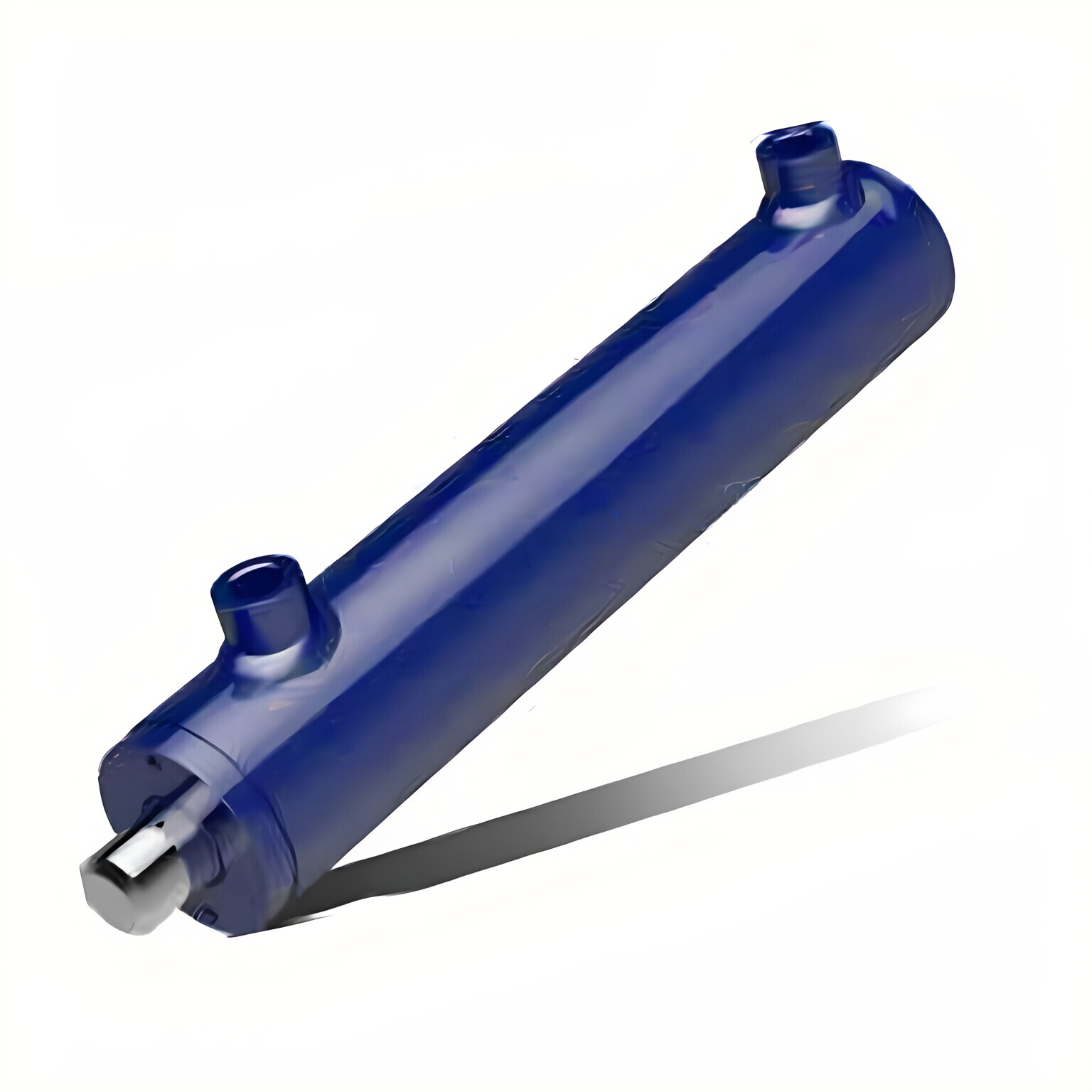
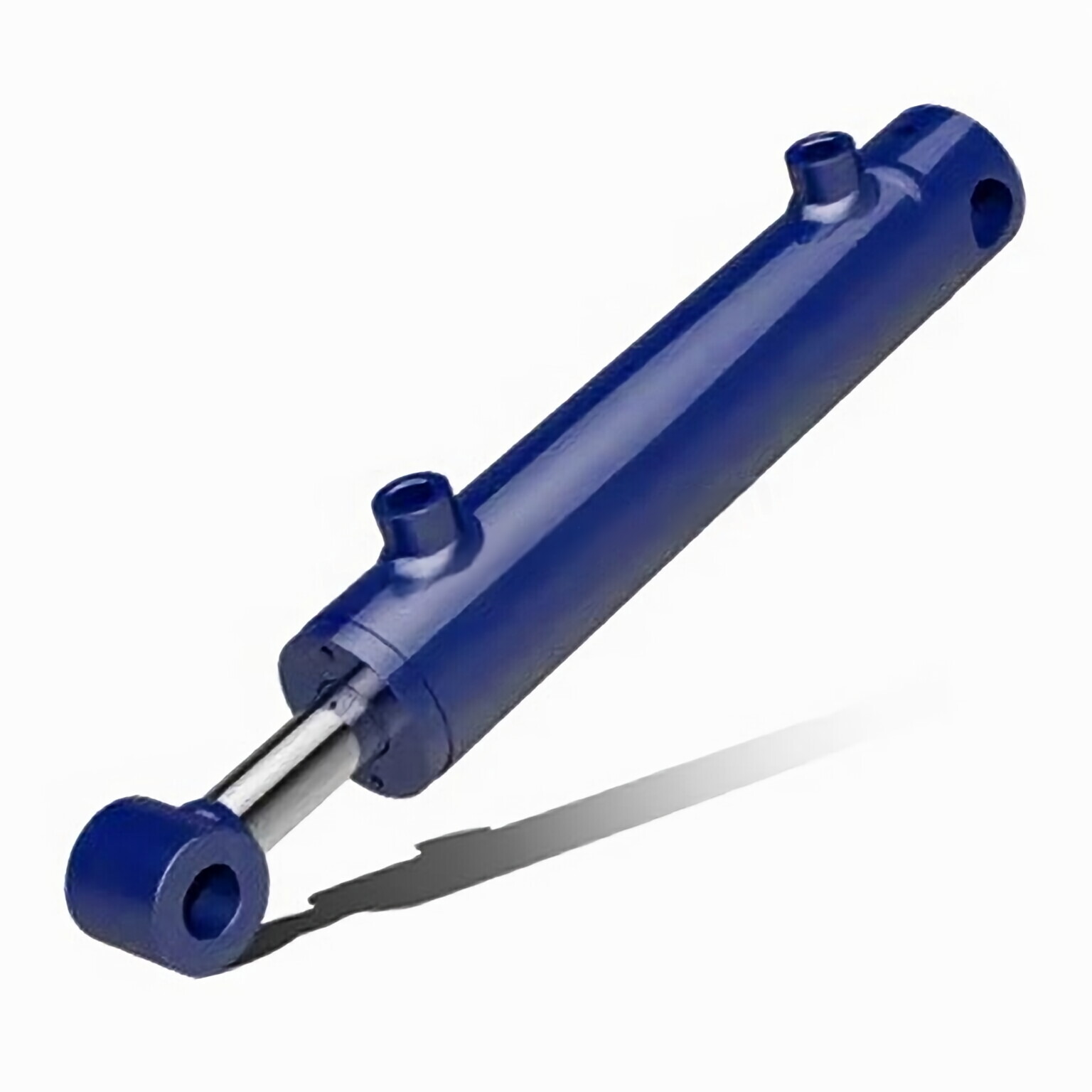
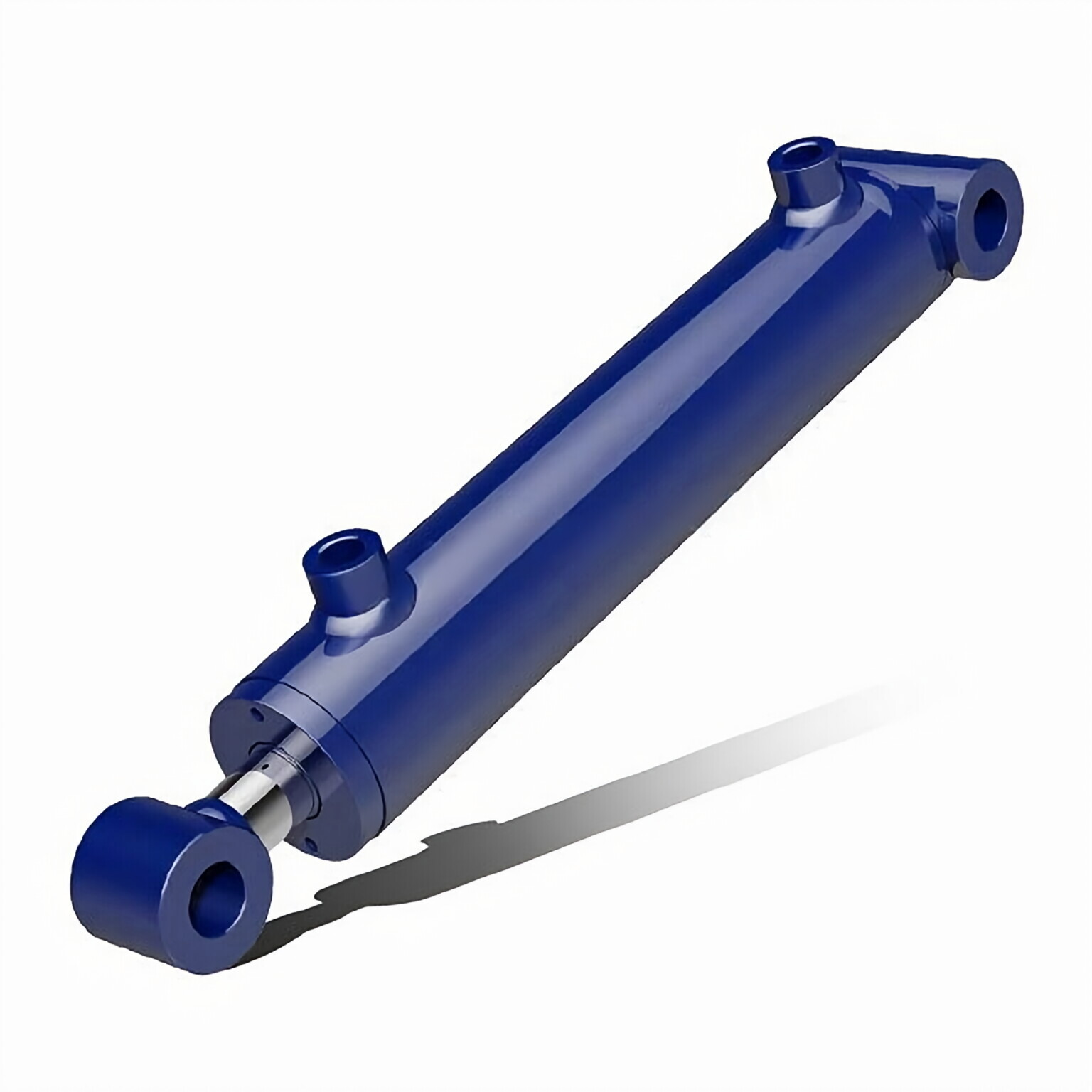
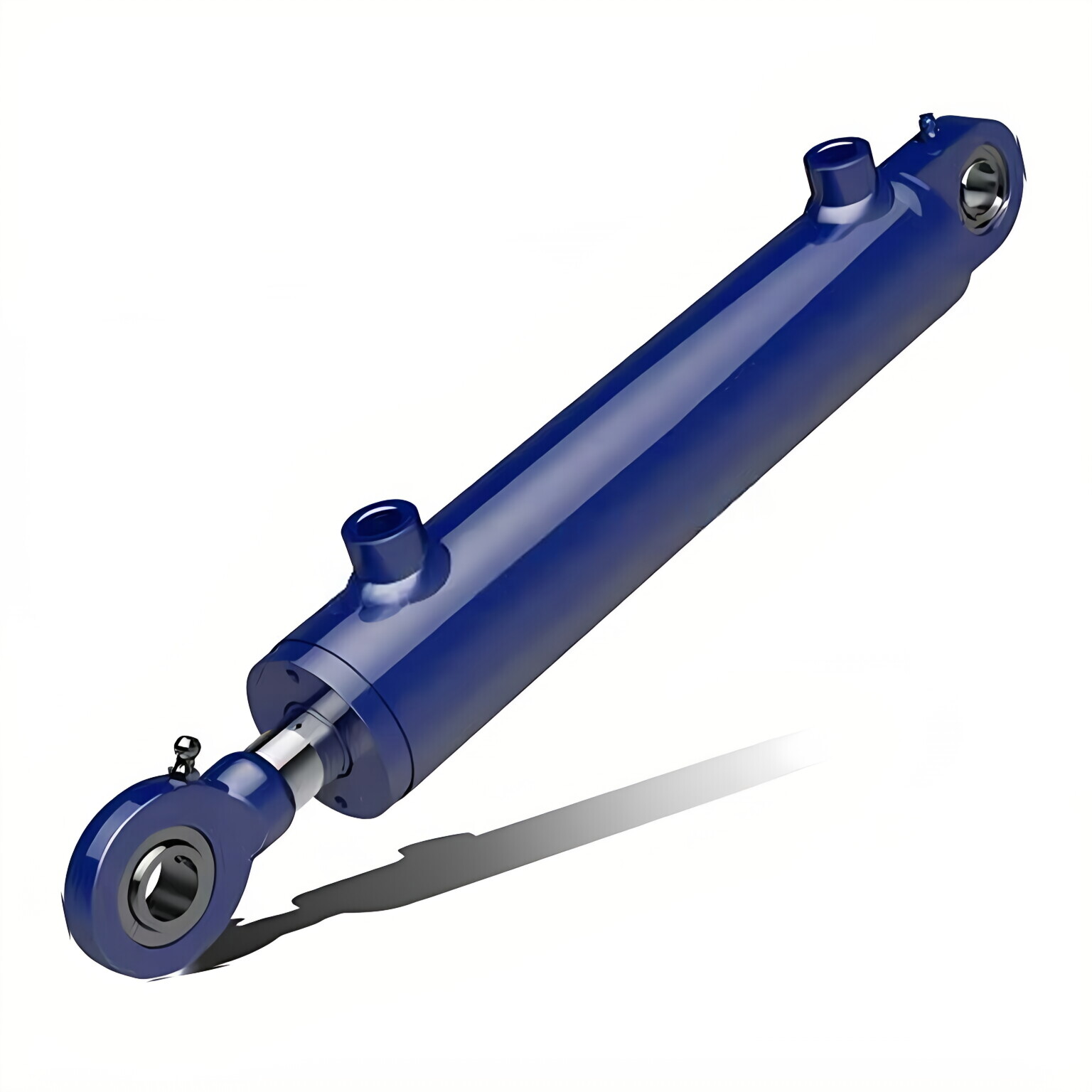
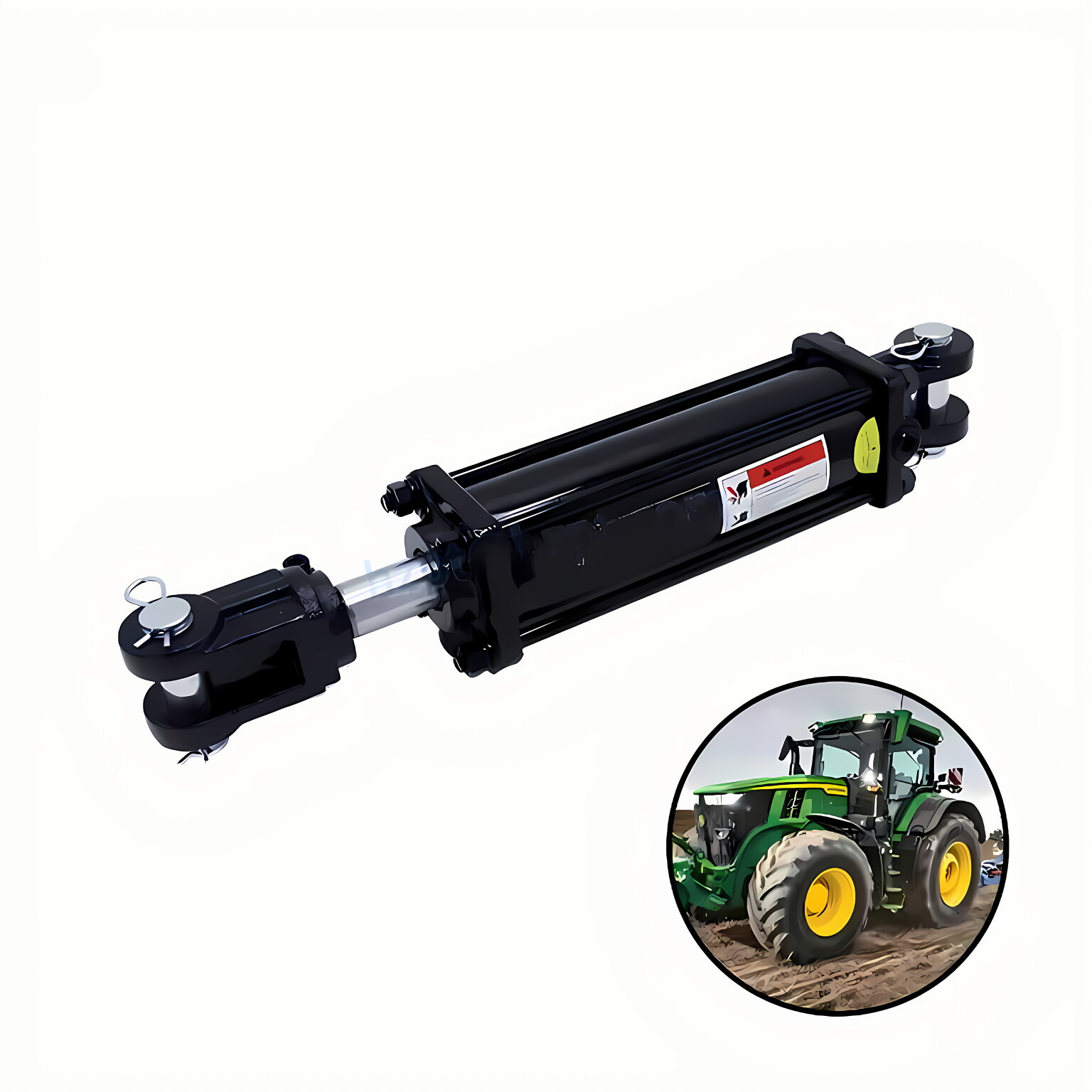
The Replacement Of John Deere AH230320 Boom Hydraulic Cylinder is a hydraulic cylinder designed for use in John Deere machinery models 644J, 644K, 644K HYBRID, and 724K. It is responsible for providing hydraulic power to the boom mechanism, allowing for smooth and efficient operation.
The Replacement Of John Deere AH230320 Boom Hydraulic Cylinder is commonly used in construction equipment such as cranes, hoists, and elevators, which require secure and stable fixation of heavy loads.
It is utilized in press machines, where materials are shaped under high pressure and require reliable fixation during the processing.
The cylinder is employed in stabilizers and jacks of vehicles, ensuring safety during maintenance or transportation processes.
It is a crucial component of landing gear systems, providing secure fixation of landing gear during takeoff and landing, ensuring the safety of aircraft operations.
The Replacement Of John Deere AH230320 Boom Hydraulic Cylinder is designed to withstand high loads, ensuring optimal performance and longevity.
The cylinder utilizes various sealing components such as piston seals and rod seals, made of wear-resistant materials like polyurethane and nitrile rubber. The cylinder body and threaded ends undergo meticulous treatment to enhance wear resistance. Regular lubrication with appropriate hydraulic oil is required to ensure smooth operation.
1. Ensure the equipment is powered off and secure before installation.
2. Align the Replacement Of John Deere AH230320 Boom Hydraulic Cylinder with the designated mounting points.
3. Use appropriate installation brackets to secure the cylinder in place.
4. Connect the hydraulic lines according to the equipment's hydraulic system specifications.
5. Verify the installation alignment and make any necessary adjustments.
When working with the Replacement Of John Deere AH230320 Boom Hydraulic Cylinder, it is important to follow safety measures to prevent accidents and ensure personal well-being. Environmental factors should also be considered to minimize any negative impact on the surroundings.
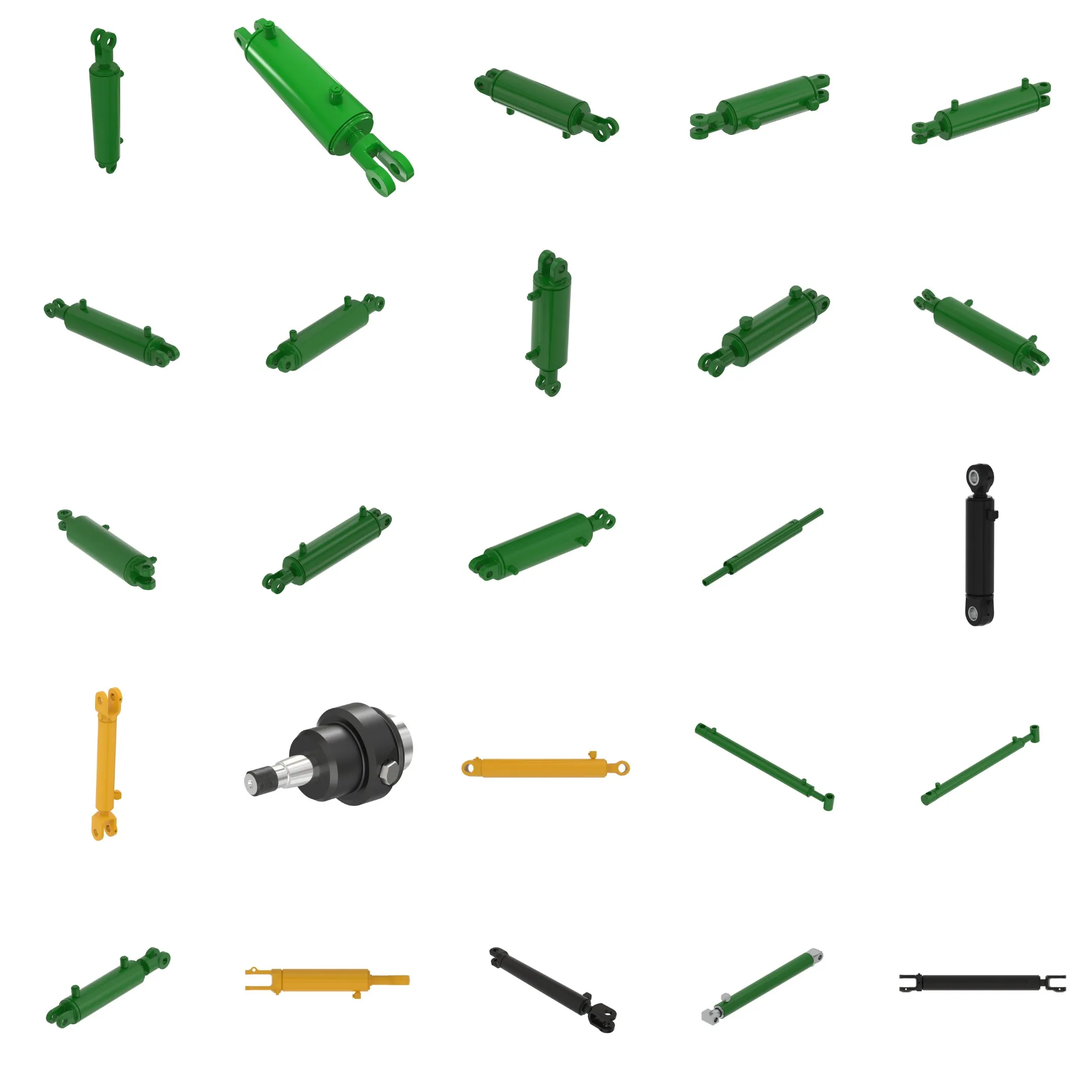
1. Leakage: Check for any signs of fluid leakage around seals or connections. Replace damaged seals promptly.
2. Slow or jerky movement: Inspect the hydraulic system for possible blockages or insufficient fluid levels. Clean or refill as necessary.
3. Loss of pressure: Verify the integrity of hydraulic lines and connections. Repair or replace any damaged components.
Proper troubleshooting and problem-solving techniques are essential for effective diagnosis and resolution of issues. Implementing preventive measures can significantly reduce potential problems.
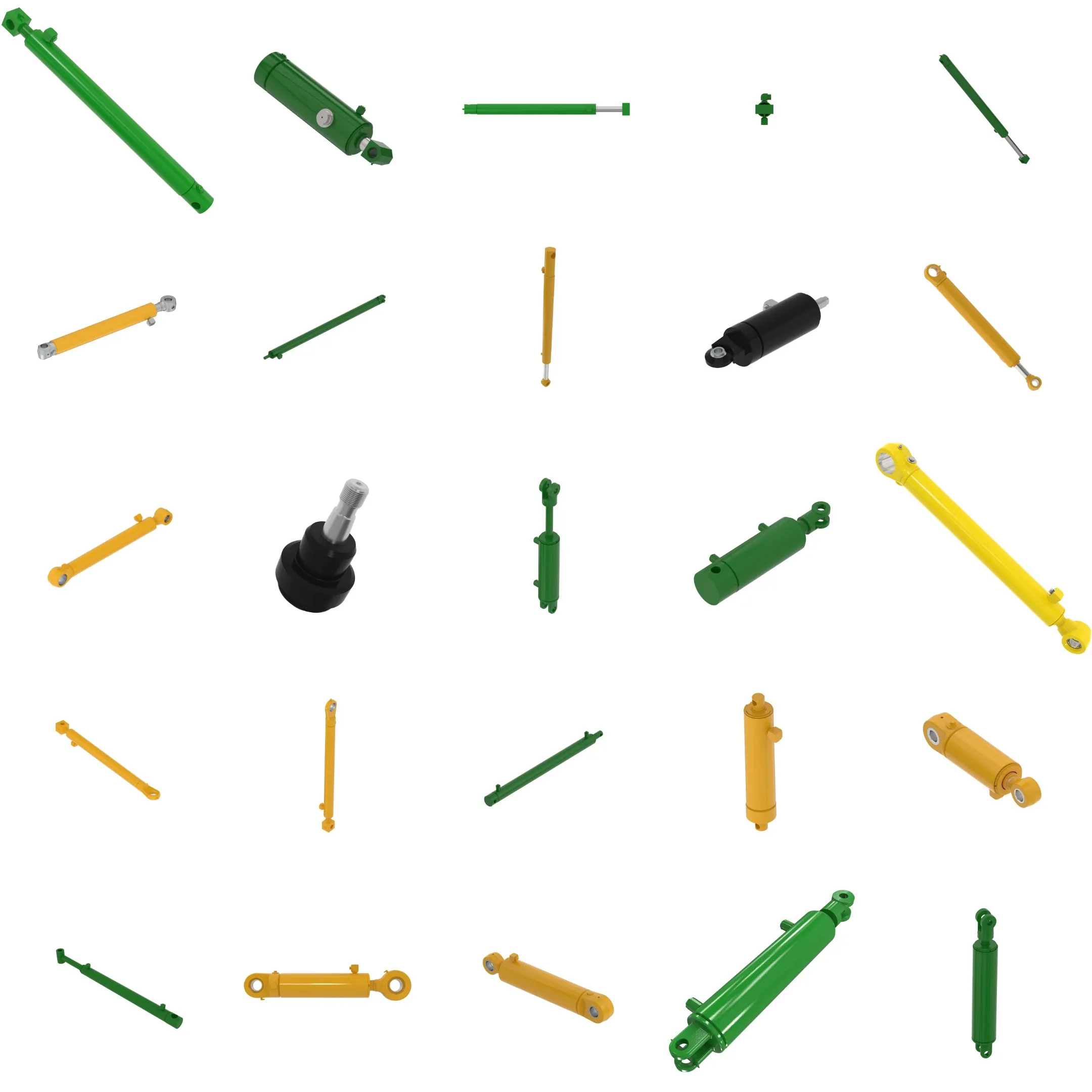
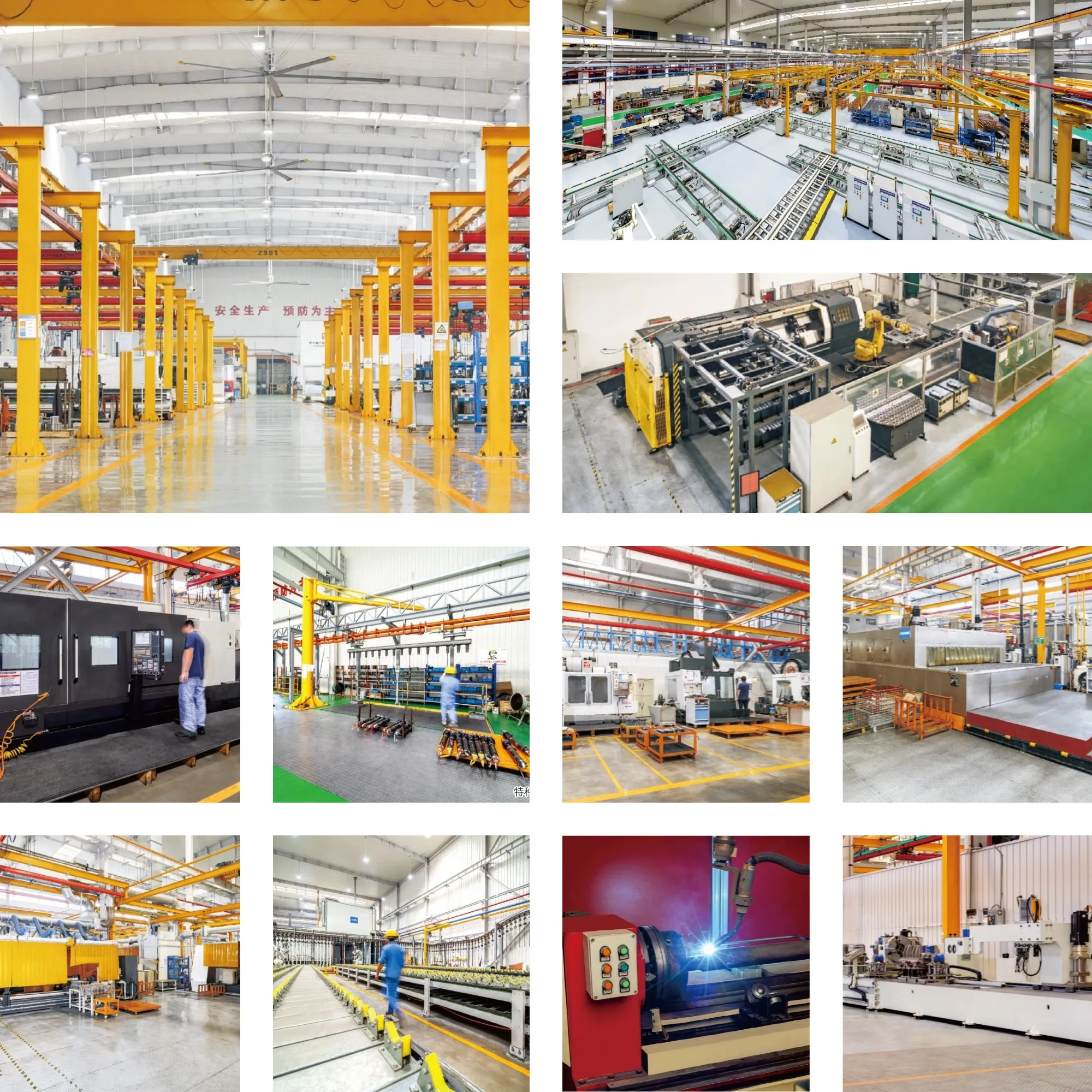
We are a leading manufacturer and wholesale distributor of replacement hydraulic cylinders. With a wide range of products, we have established ourselves as a trusted supplier in both domestic and international markets.
Author: lyl
Address
Luotuo Industrial Area, Zhenhai District, Ningbo City, China
Tel

 Raydafon