
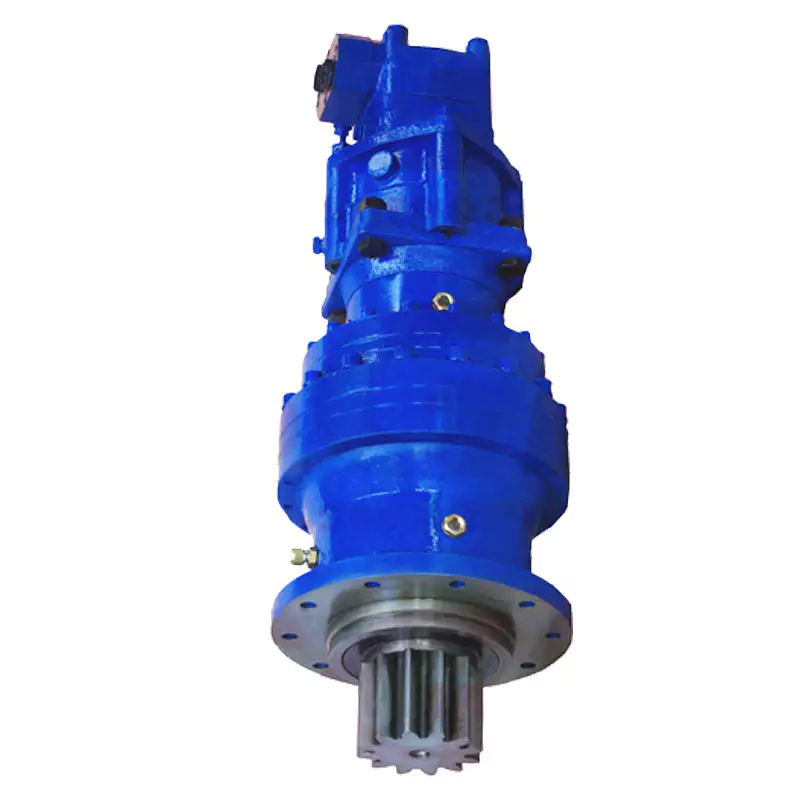

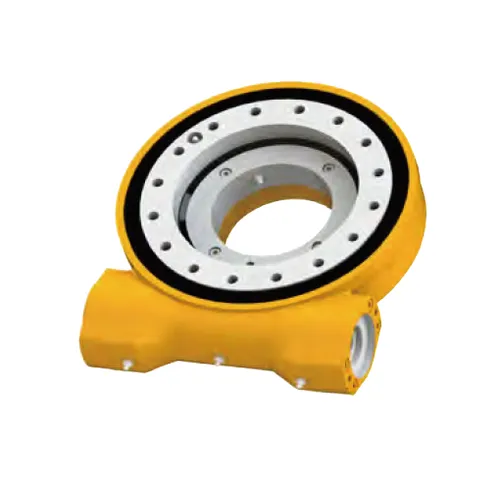
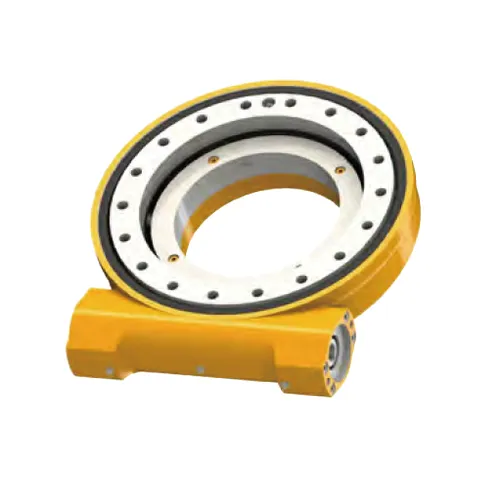
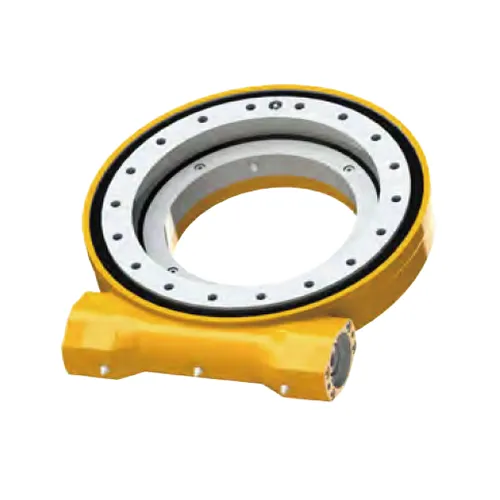
A slewing drive is a gearbox that is designed to support radial and axial loads and enables rotation of the load about its axis. Slewing drives are widely used in various applications such as construction machinery, solar trackers, wind turbines, and especially in large telescopes primary mirror rotation systems. In this article, we will discuss the working principle, installation position, function, and necessity of slewing drives in primary mirror rotation systems of large telescopes.
The working principle of slewing drives is quite simple. It consists of two essential components, the slewing ring and the gearbox. The slewing ring is a large diameter bearing that supports the load and enables the rotation, while the gearbox is used to transfer the torque from the motor to the slewing ring. The motor drives the gearbox, which in turn rotates the slewing ring.
The installation position of the slewing drive in a primary mirror rotation system of a large telescope is crucial. It is usually mounted between the mirror cells and the frame of the telescope. The slewing drive is placed in a central position to ensure that the primary mirror rotates smoothly and accurately.
The function of a slewing drive in a primary mirror rotation system of a large telescope is to provide accurate and smooth rotation of the primary mirror about its axis. The slewing drive provides the necessary torque to overcome the load and drive the primary mirror, ensuring that it rotates smoothly and accurately.
The use of a slewing drive in a primary mirror rotation system of a large telescope is necessary to ensure that the mirror rotates smoothly and accurately. The slewing drive provides the necessary torque to overcome the load and drive the primary mirror, ensuring that it rotates smoothly and accurately. Without a slewing drive, the primary mirror rotation system would not function properly, and the telescope would not be able to perform its intended function.
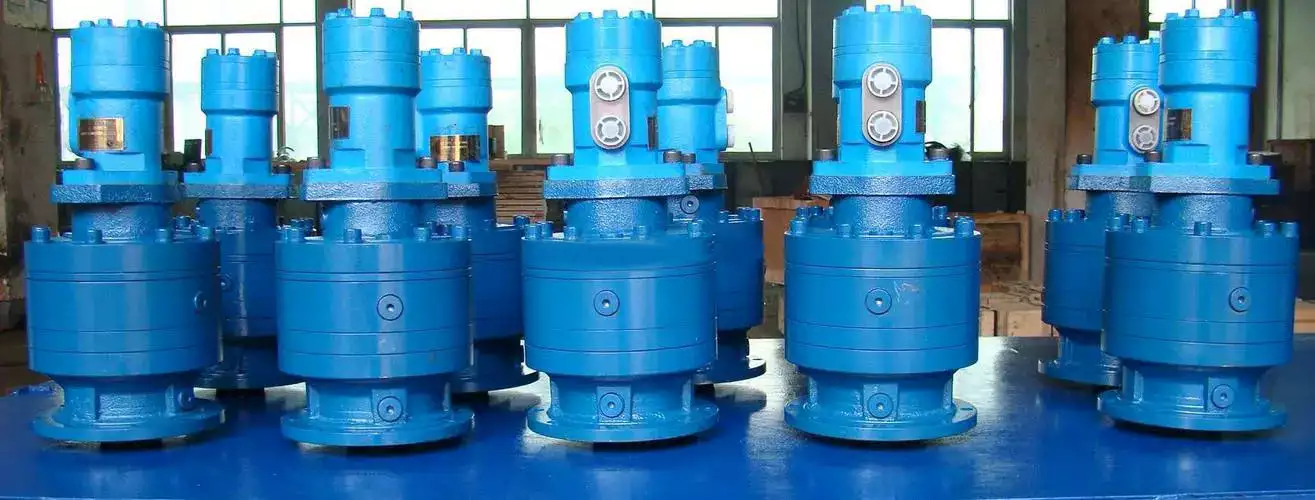
We are a leading company dedicated to the research, design, and manufacture of planetary gearboxes/reducers. Our company specializes in the production of slewing drives for various applications, including primary mirror rotation systems for large telescopes. Our products are of the highest quality, and we are committed to providing our customers with the best possible service.
| Factors to Consider | Parameters to Determine |
|---|---|
| Load Capacity | Output Torque, Maximum Output Torque, Tilting Moment |
| Ratio | Reduction Ratio, Backlash |
| Efficiency | Efficiency, Temperature Rise, Lubrication |
| Mounting Position | Mounting Type, Orientation |
| Input Speed | Maximum Input Speed |
| Environmental Conditions | Operating Temperature, Corrosion Resistance, Sealing |
As we have seen, slewing drives are essential components in primary mirror rotation systems of large telescopes. They enable accurate and smooth rotation of the primary mirror, ensuring that the telescope functions properly. When purchasing a planetary gearbox/reducer, it is crucial to consider various factors such as load capacity, ratio, efficiency, mounting position, input speed, and environmental conditions to determine the necessary parameters. Our company offers high-quality slewing drives for various applications, including primary mirror rotation systems for large telescopes. Choose us, and we will provide you with the best possible service.
Author: Miya
Address
Luotuo Industrial Area, Zhenhai District, Ningbo City, China
Tel

 Raydafon