
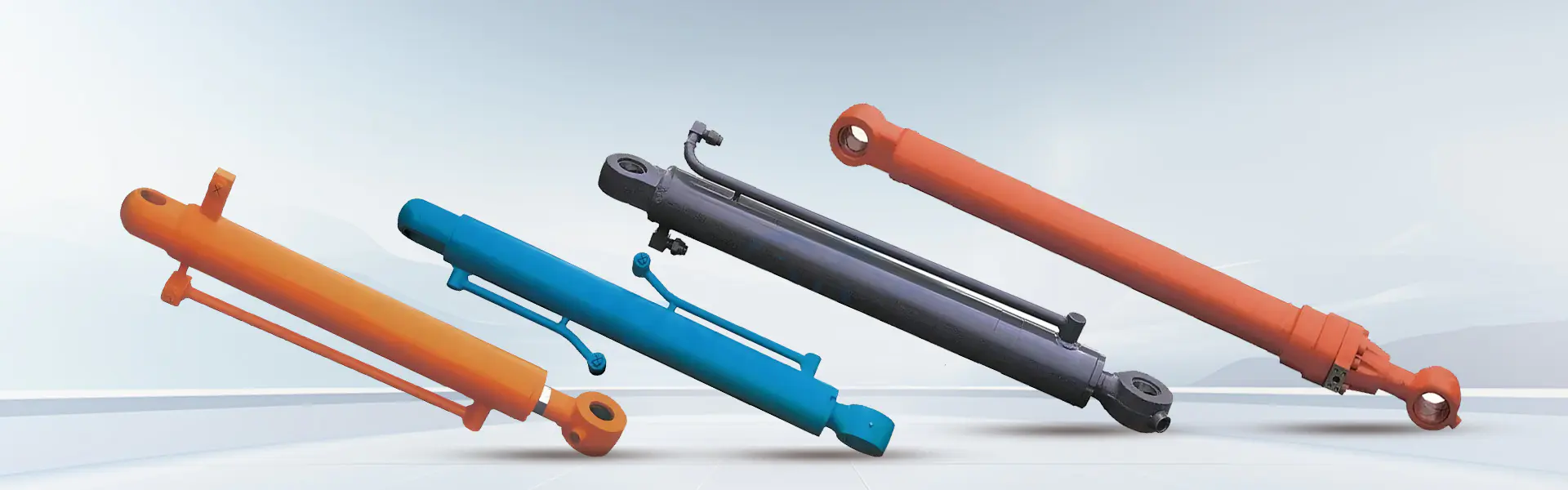
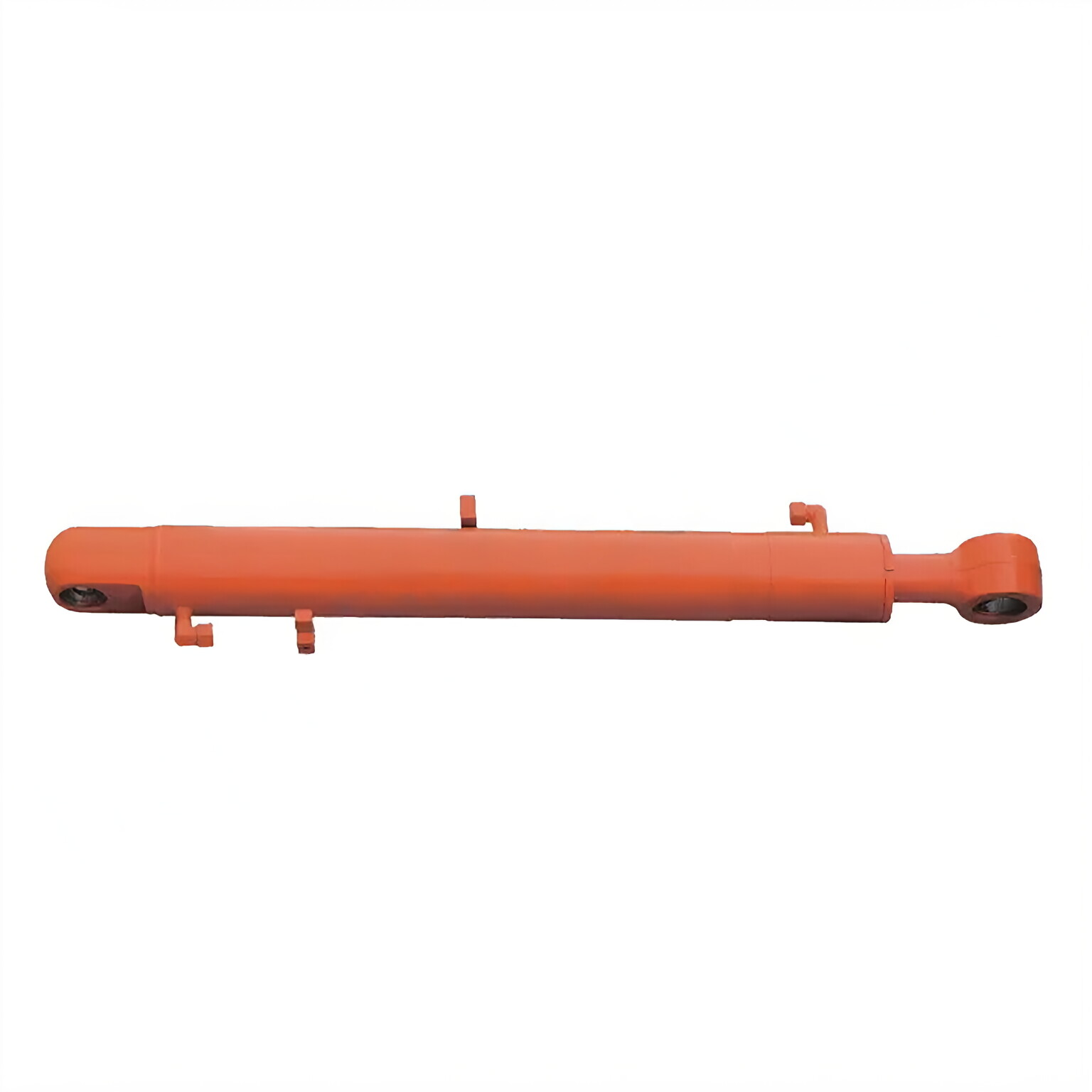
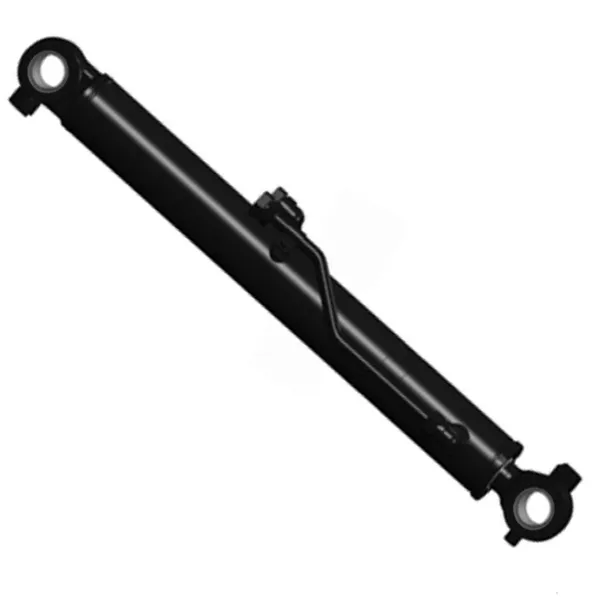
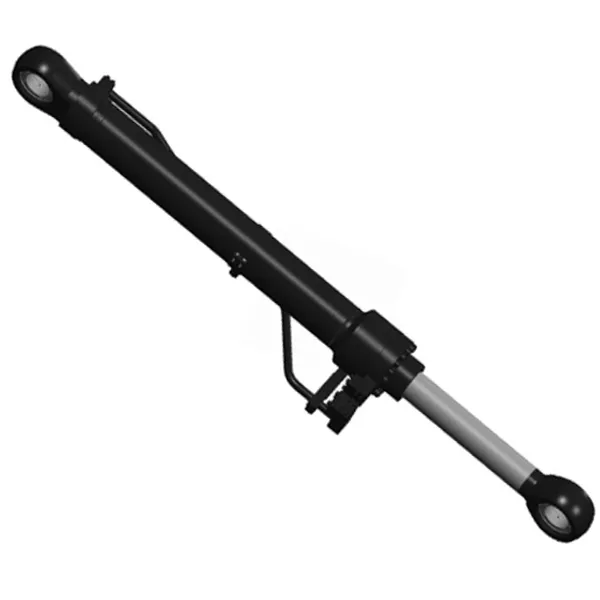
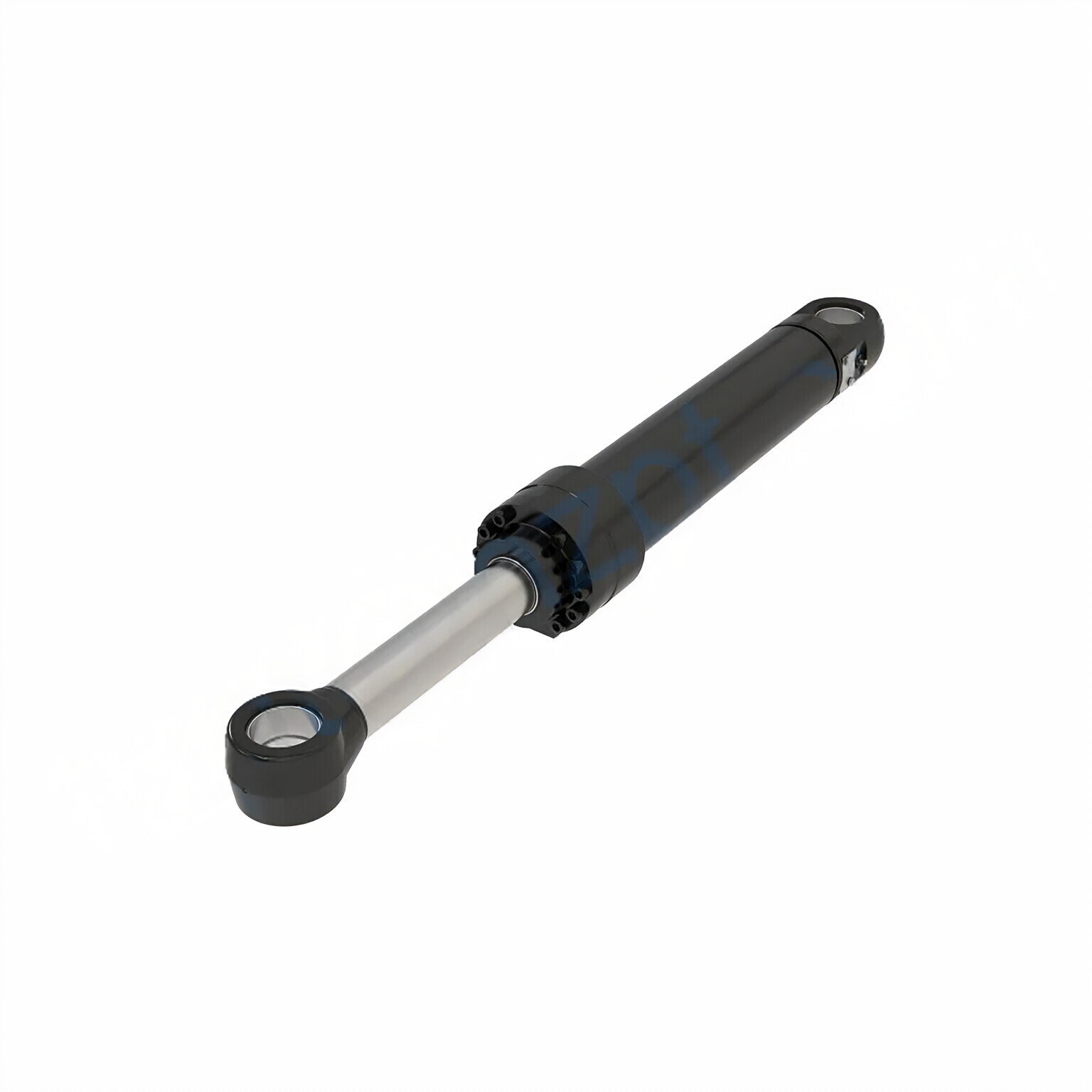
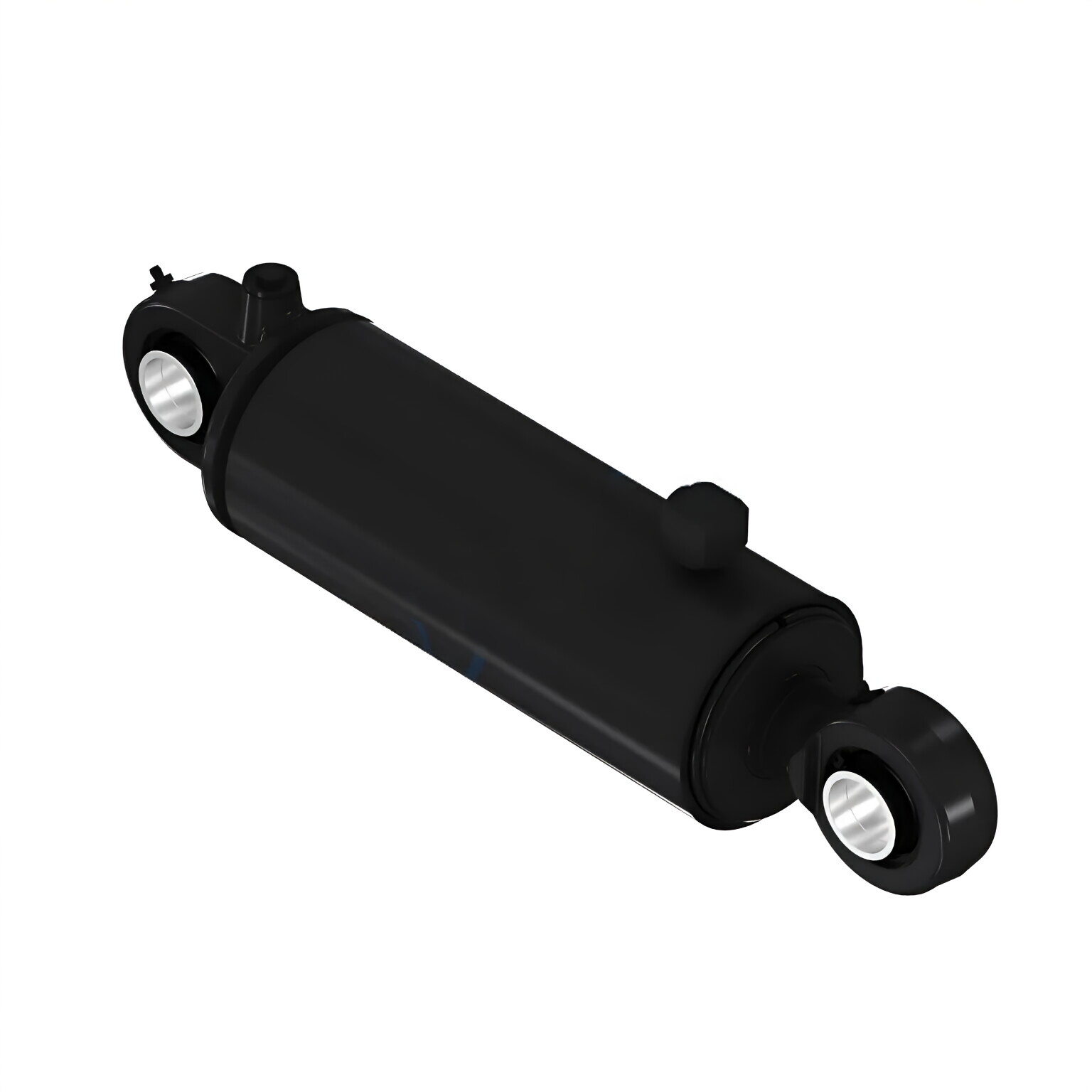
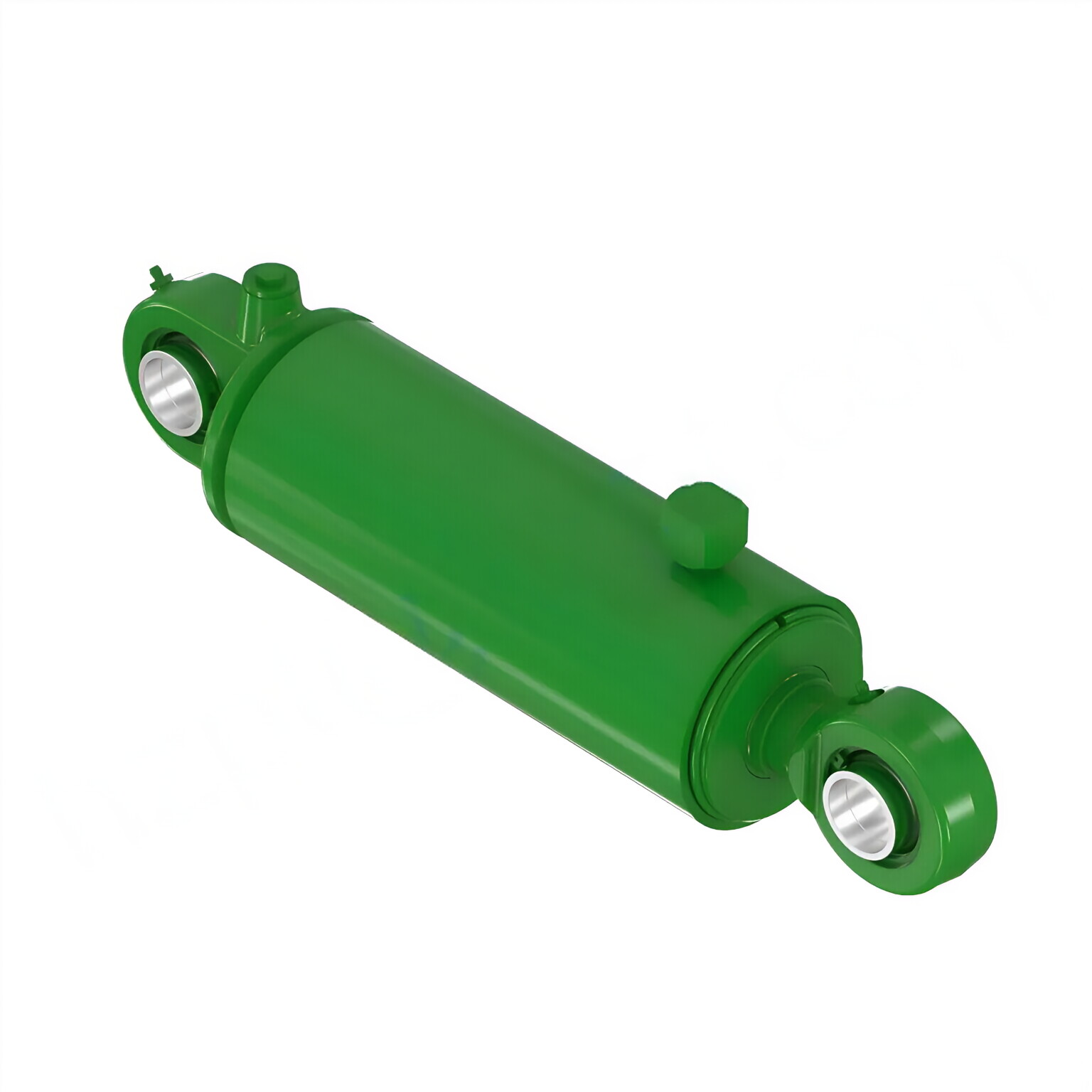
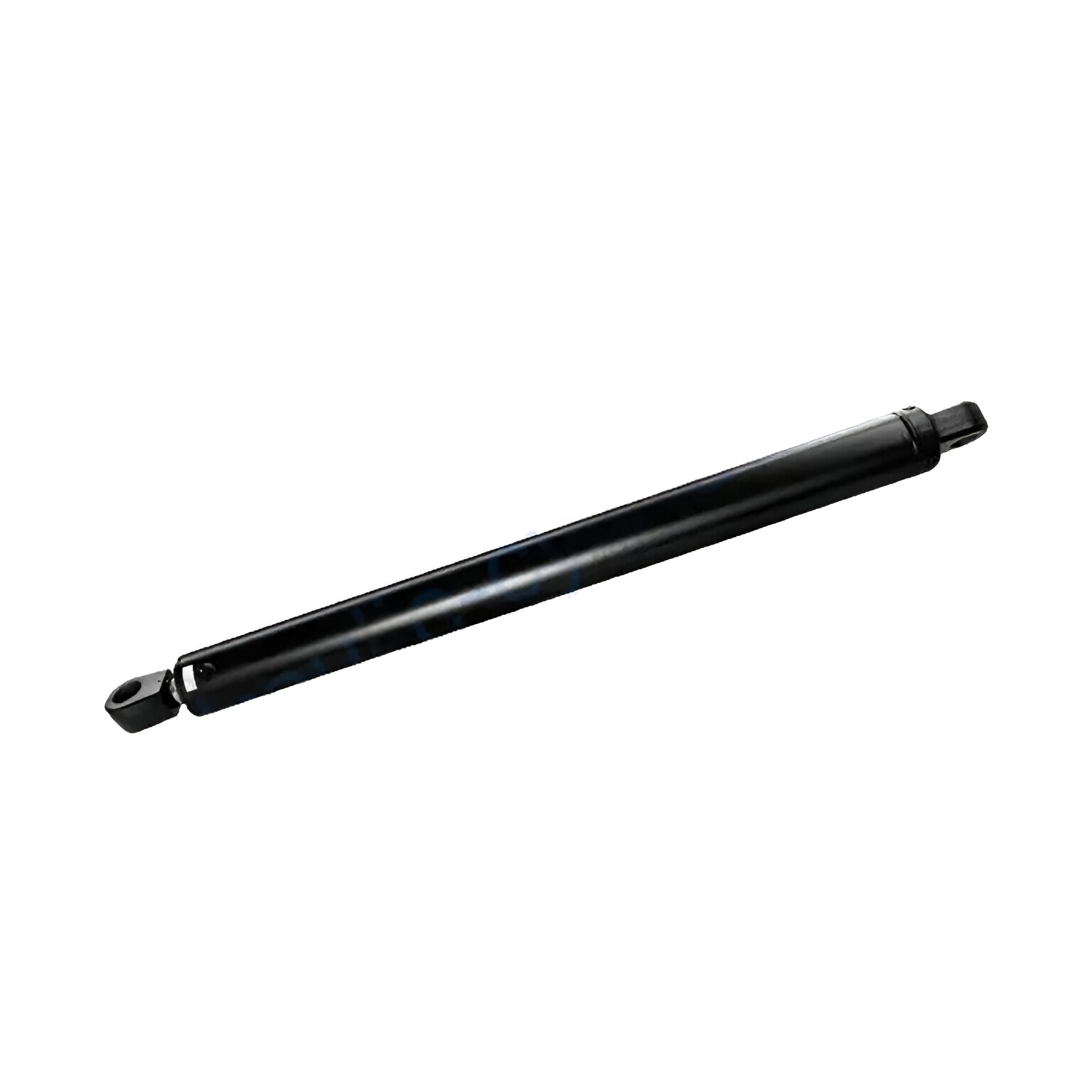
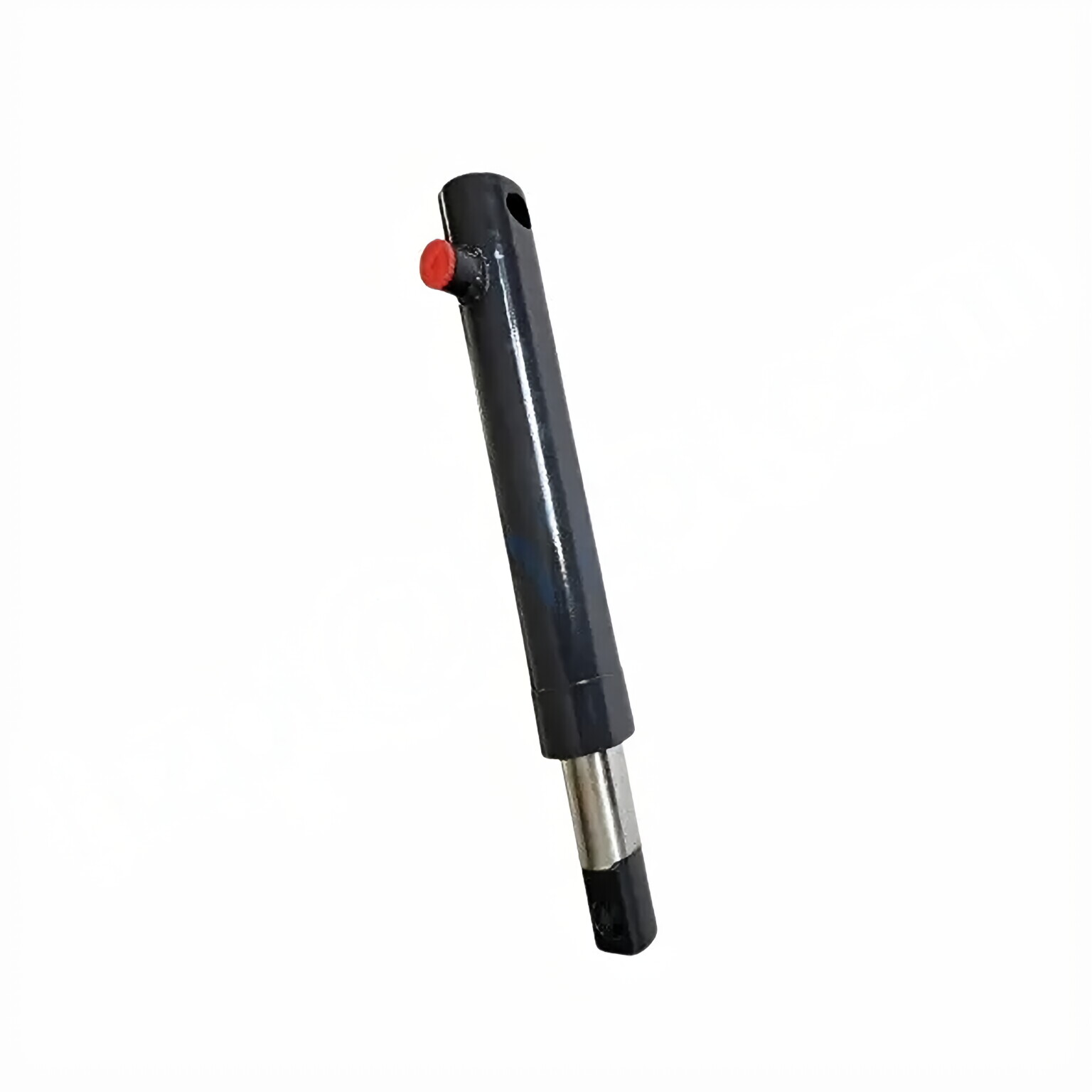
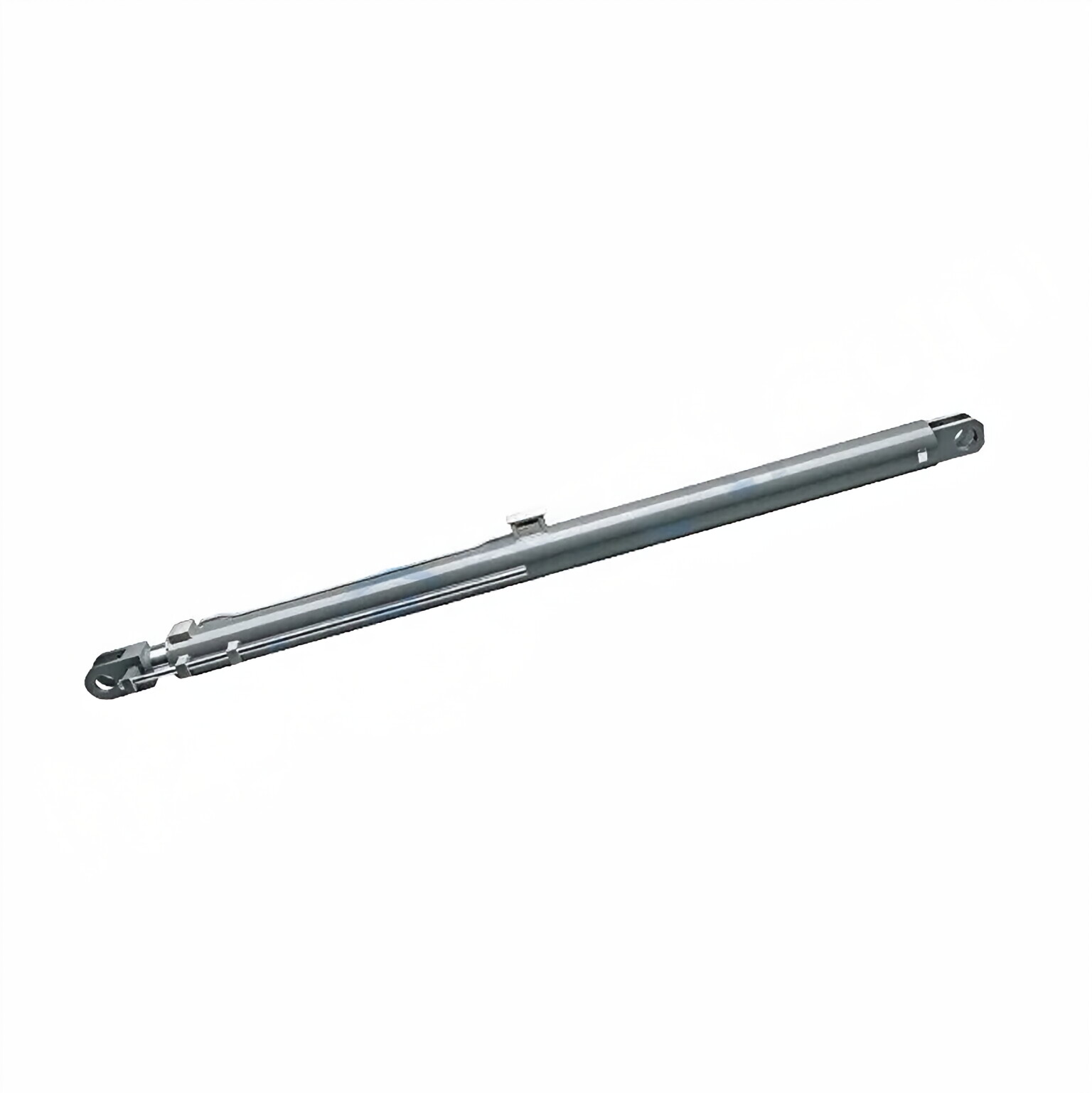
A bucket cylinder is a type of hydraulic cylinder specifically used for controlling the movement of buckets in various heavy machinery such as excavators, backhoe excavators, and front-end loaders. It allows the bucket to lift, lower, and tilt, making it easier to carry out material handling tasks.
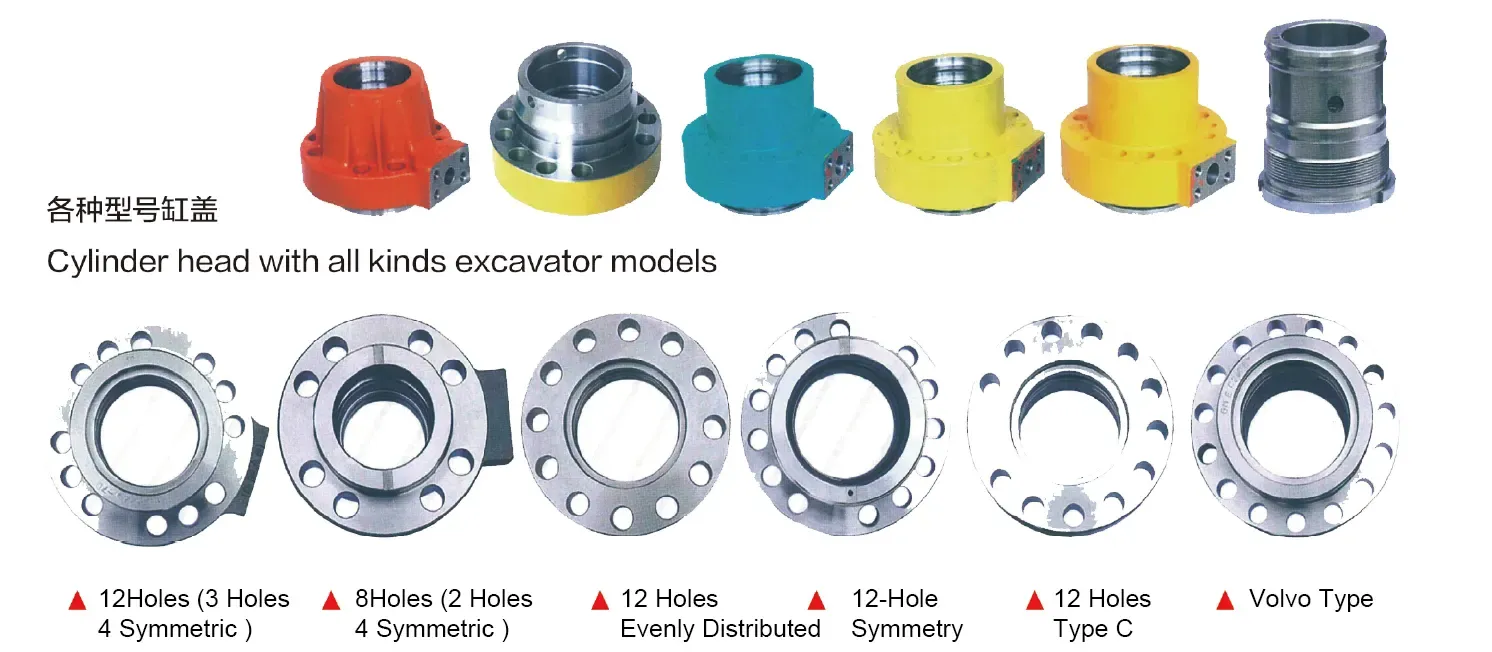
In excavators, they are essential for digging, loading, and moving soil or debris. In backhoe excavators, the bucket cylinder helps both in digging and lifting. In front-end loaders, they help with effective lifting and dumping of goods.
Used in front-end loaders for scooping, lifting, and transporting soil, hay, and other materials. In excavators, the bucket cylinder helps in digging by allowing the bucket to penetrate the soil.
Used in machinery such as cranes, forklifts, and bulldozers to lift, move, or stack materials.
The capacity of the cylinder to withstand loads is one of the primary factors to consider in the design and selection of a hydraulic cylinder.
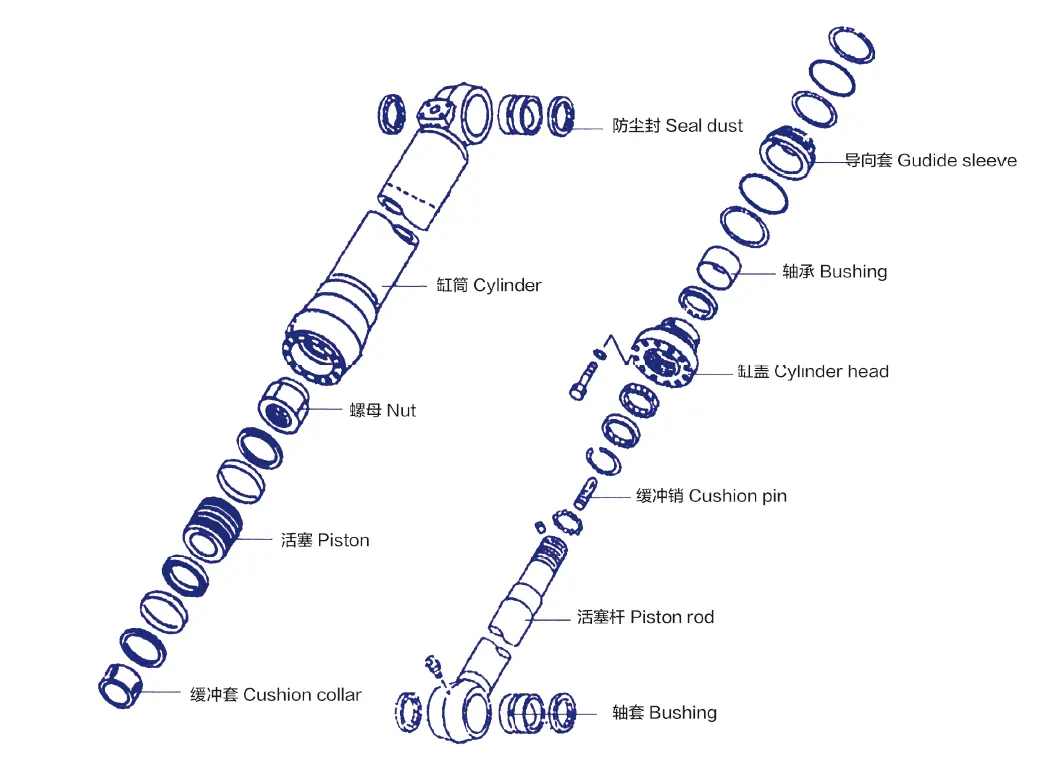
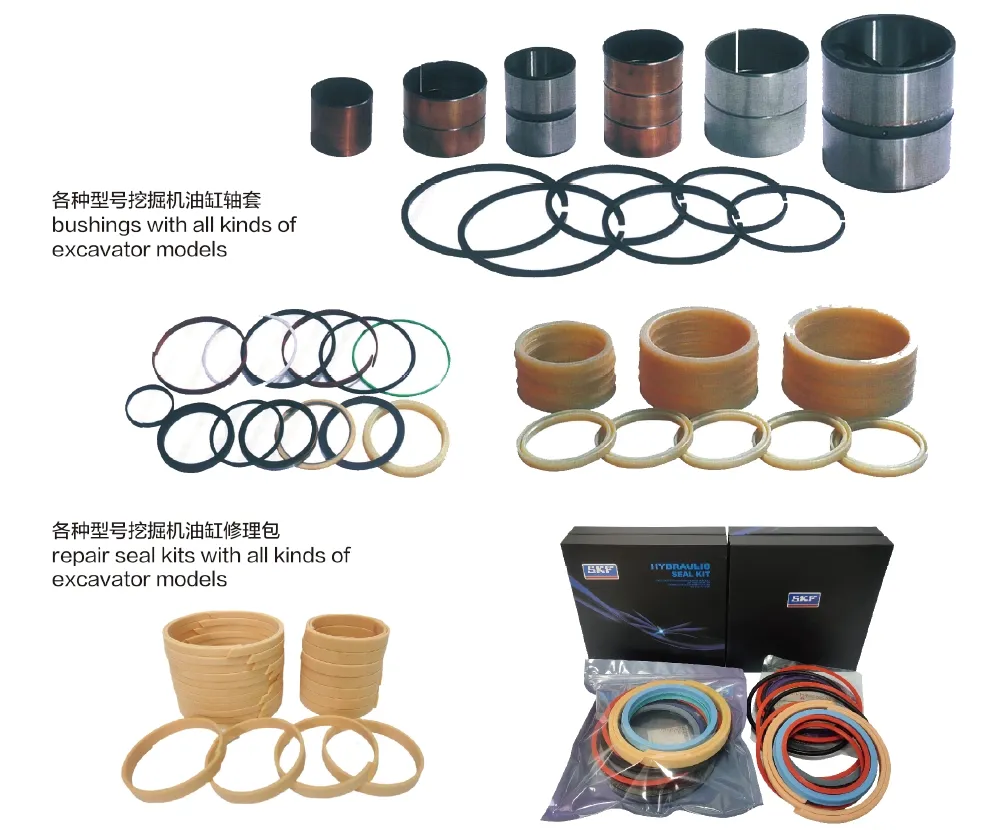
The sealing of the cylinder is an important consideration in hydraulic cylinder design. The use of various sealing components such as piston seals, rod seals, and wipers can prevent leakage of hydraulic fluid and ensure long service life.
The durability of a hydraulic cylinder is determined by the materials used and the design. The use of high-strength steel or aluminum and careful consideration of wear and corrosion resistance can extend the service life of the cylinder.
The safety of hydraulic cylinders is important in ensuring the safety of operators and personnel working in the vicinity. Proper installation, maintenance, and replacement of parts can help prevent equipment failure or accidents.
Regular maintenance of hydraulic cylinders can help ensure long service life and efficient operation. Tasks such as checking for leaks, proper lubrication, seal replacement, and calibration checks should be performed regularly.
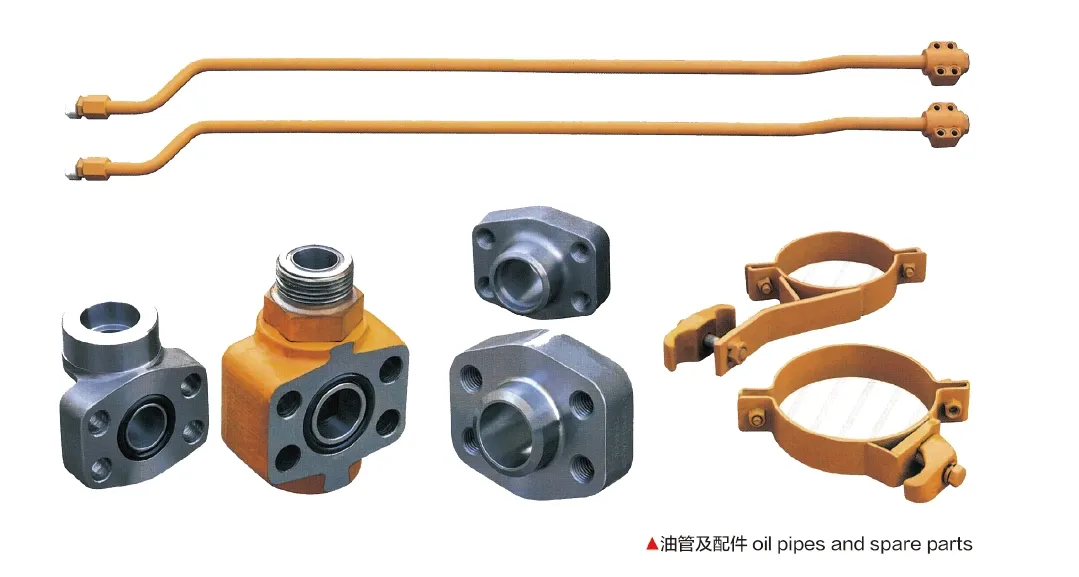
The use of various seals such as piston seals, rod seals, and wipers can prevent leakage of hydraulic fluid while the use of suitable lubricants can ensure smooth operation of the cylinder. The cylinder body and threaded end surfaces are finely processed to improve wear resistance. Regular replacement and refilling of hydraulic oil is also necessary to ensure proper lubrication.
Proper installation, regular inspection and preventive maintenance of hydraulic cylinders can help prevent equipment failure or accidents. Proper alignment of the cylinder during installation, the use of suitable mounting brackets, and regular inspection and replacement of worn parts can help extend the service life of the cylinder.
The proper use of hydraulic cylinders is important for the safety of personnel and equipment. Measures such as proper installation, maintenance, and replacement of parts can help prevent equipment failure and minimize environmental damage.
Some common problems with hydraulic cylinders include leakage, inadequate pressure, and slow or erratic operation. Troubleshooting these issues can involve checking for leaks, testing pressure, and inspecting the cylinder for damage or wear. Proper maintenance and replacement of worn parts can help prevent these problems from occurring in the first place.
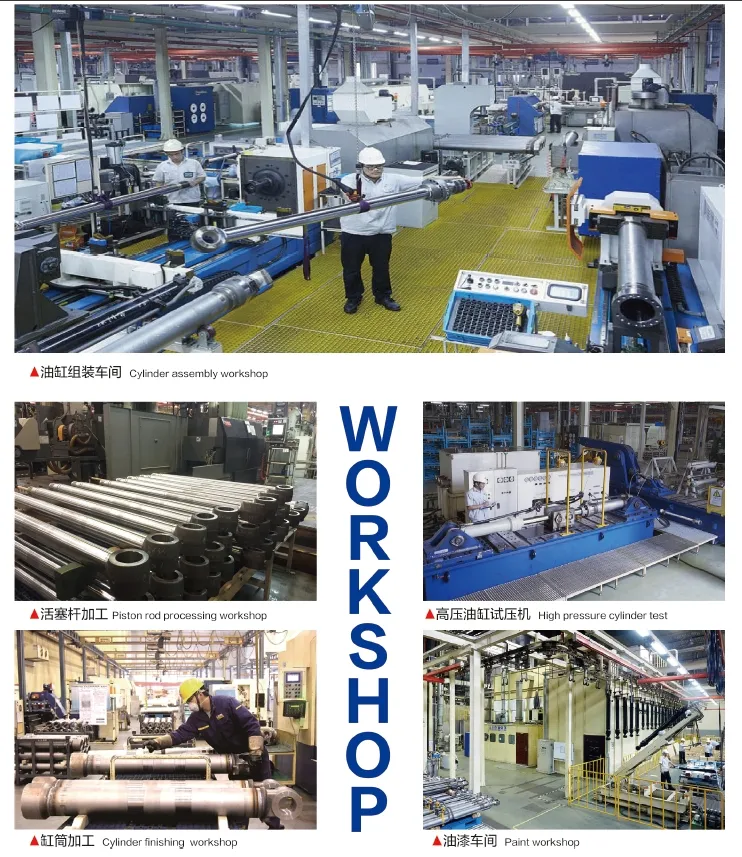
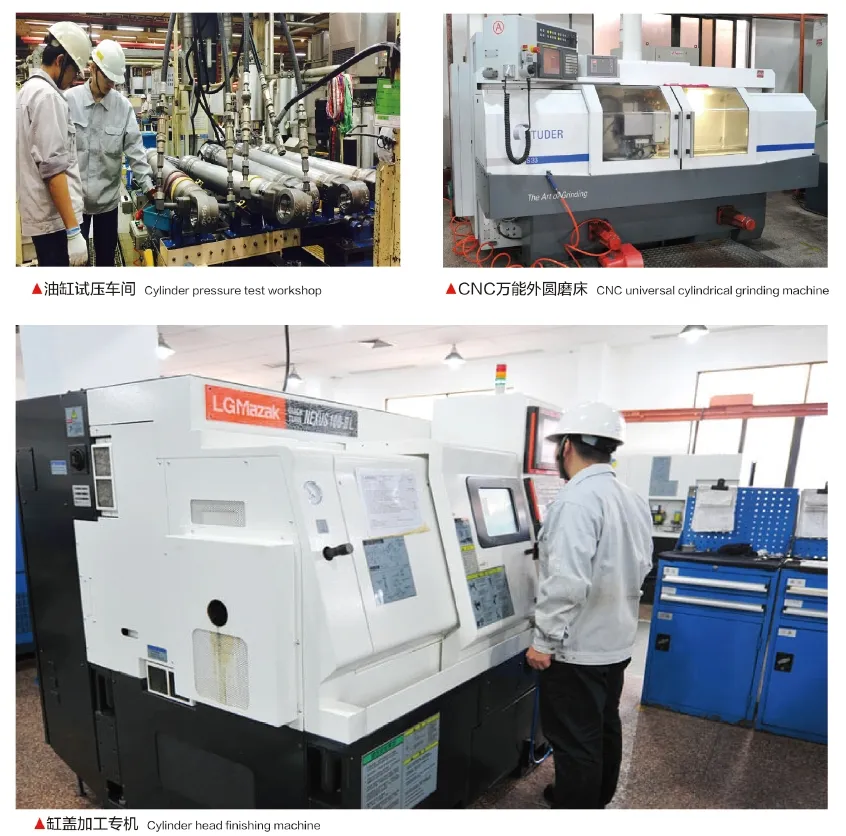
We are a manufacturer of replacement hydraulic cylinders, offering a complete range of products and becoming one of the leading manufacturers and wholesale distributors of hydraulic cylinders in the domestic and international markets. We adhere to the principle of excellence, relying on industrialized production management strategies in our fine manufacturing workshops and continuously improving our manufacturing platforms and product quality production lines with the use of technology, high-end digital manufacturing equipment, and professional testing systems. We have a strong ability to create and offer efficient, precise, and high-quality products to meet the diverse needs of our customers.
We offer professional services, international certifications, customized services, production equipment, and after-sales services to ensure customer satisfaction and meet the growing demands of the global market.

Author: lyl
Address
Luotuo Industrial Area, Zhenhai District, Ningbo City, China
Tel

 Raydafon