
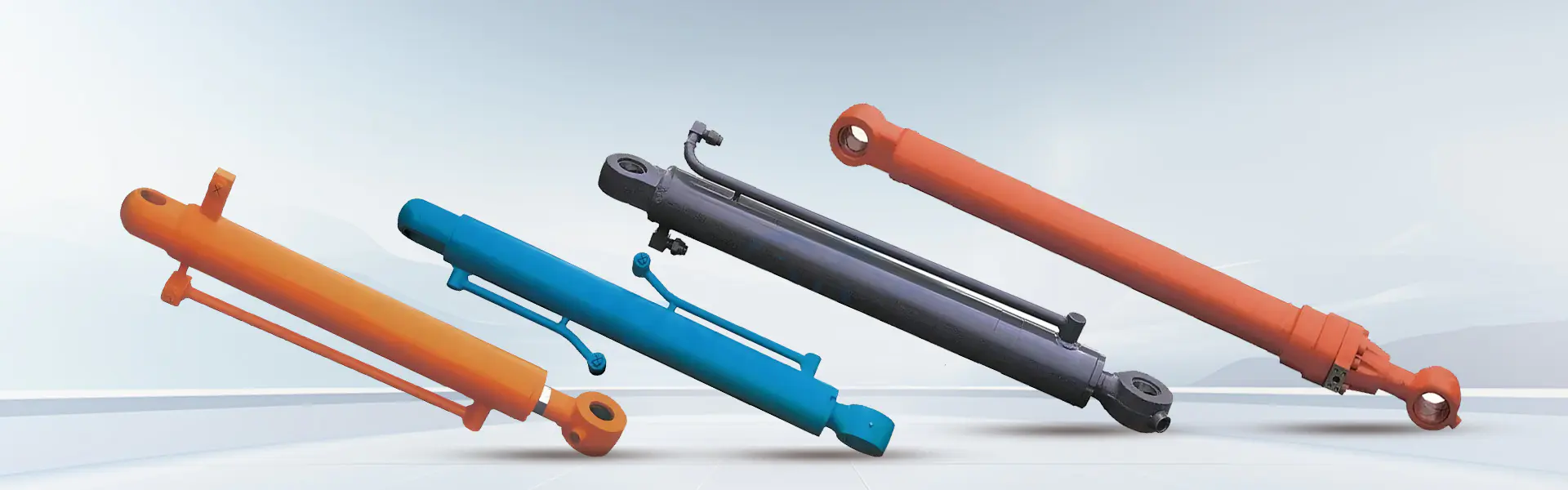
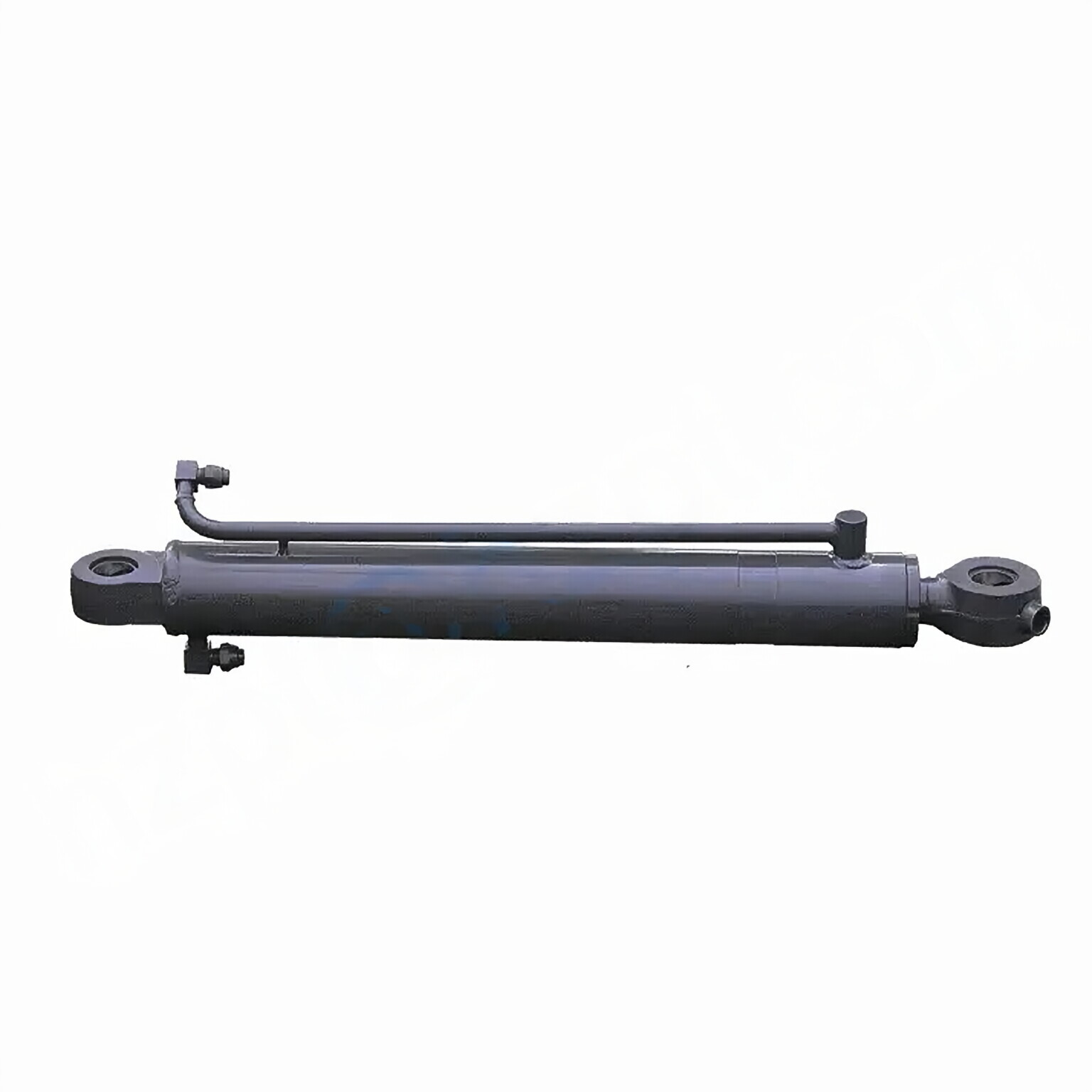
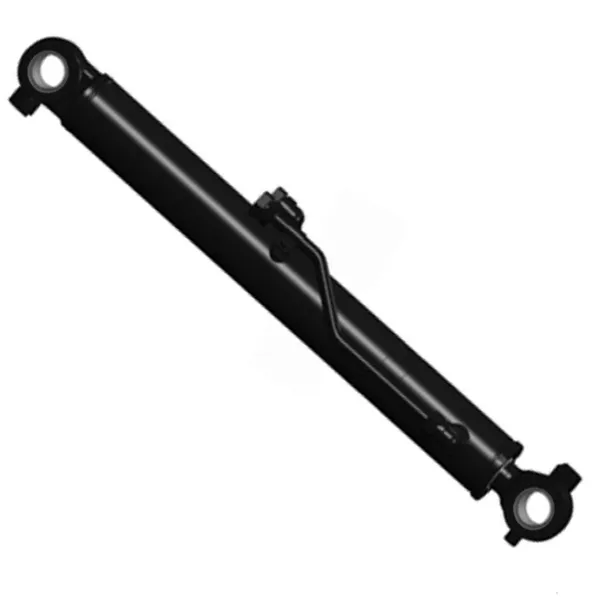
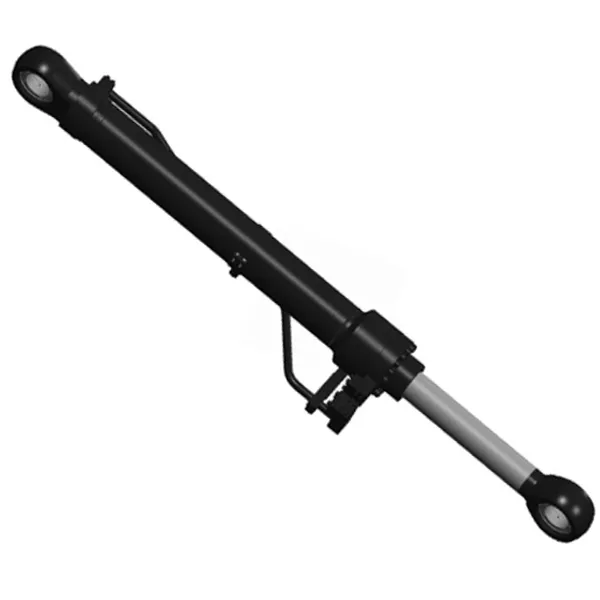
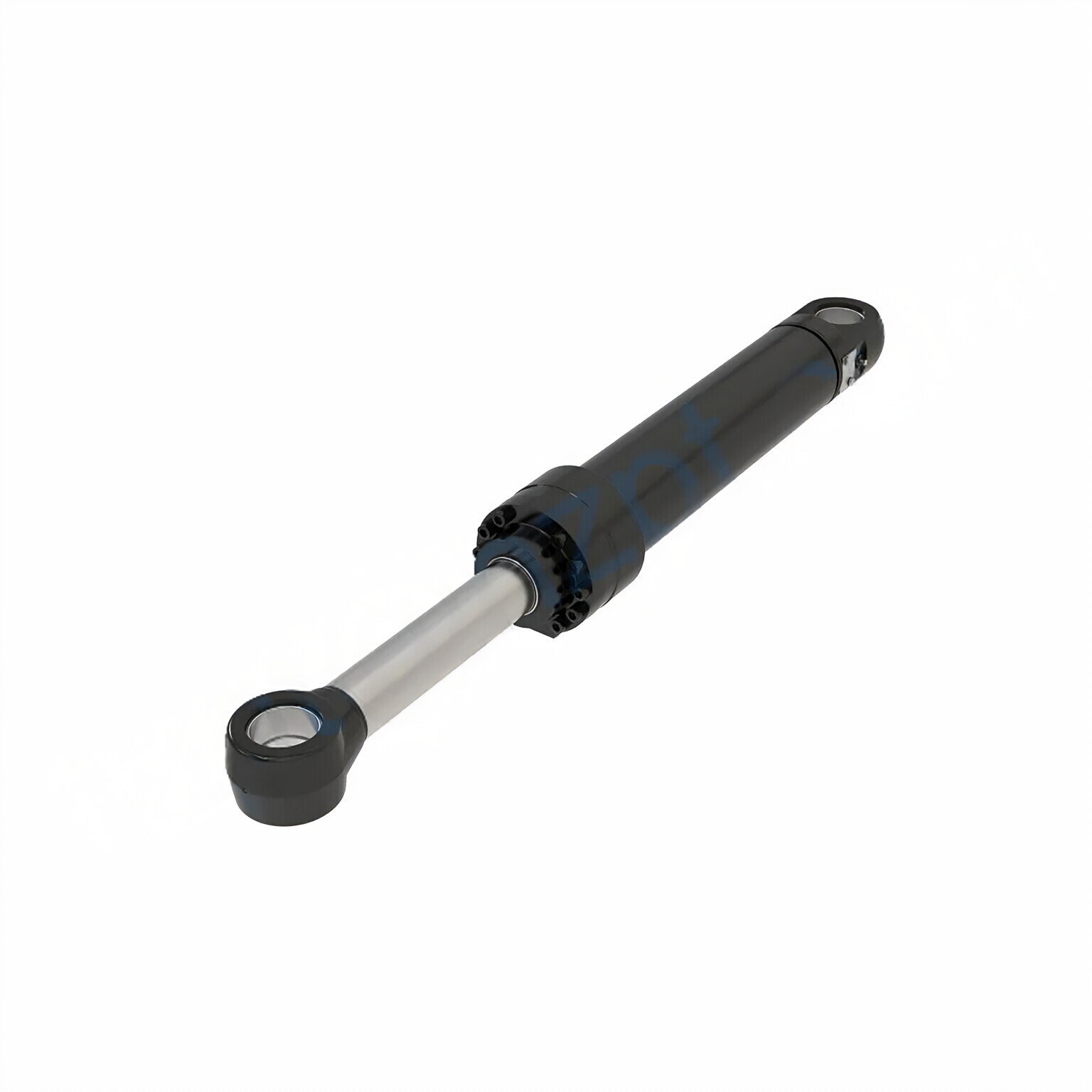
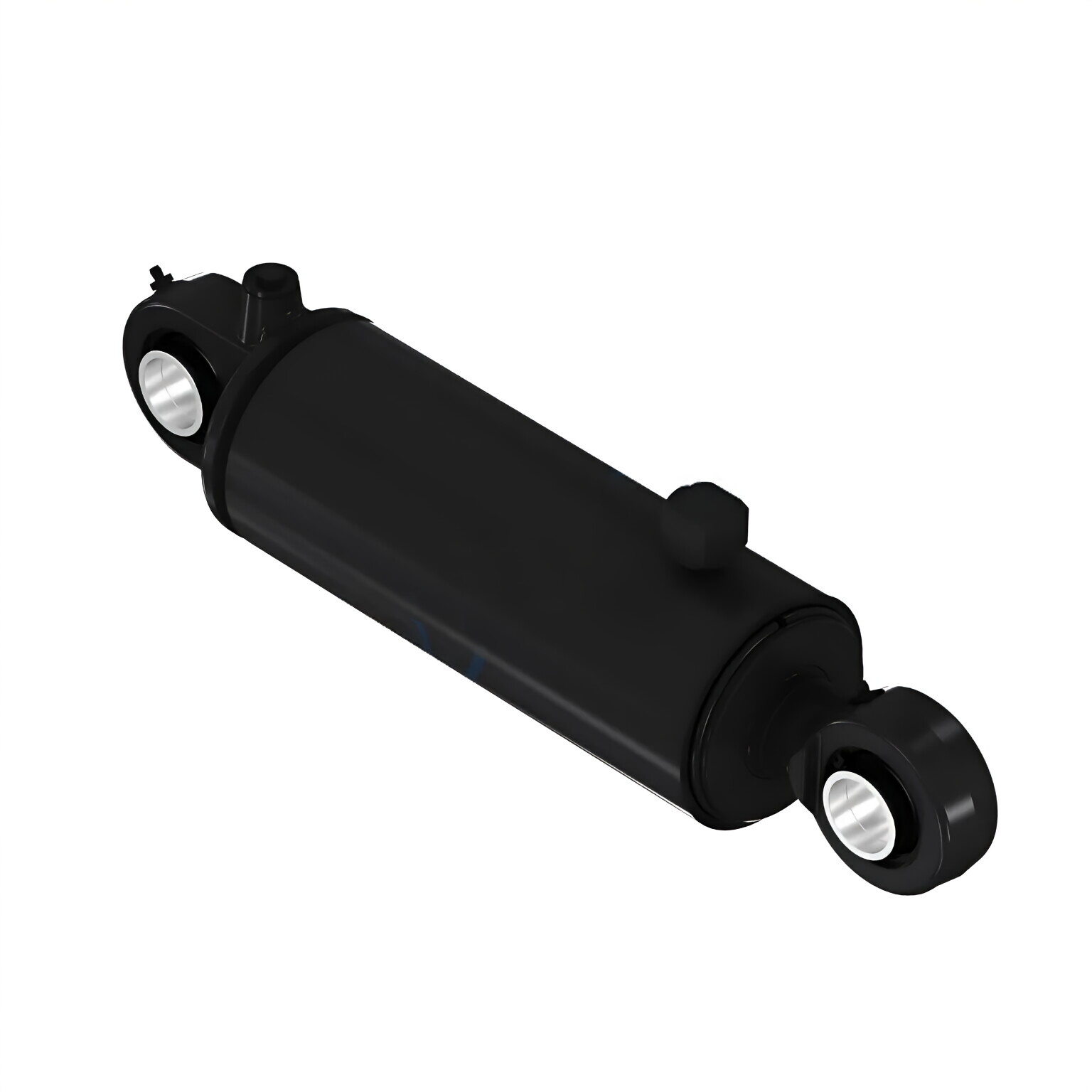
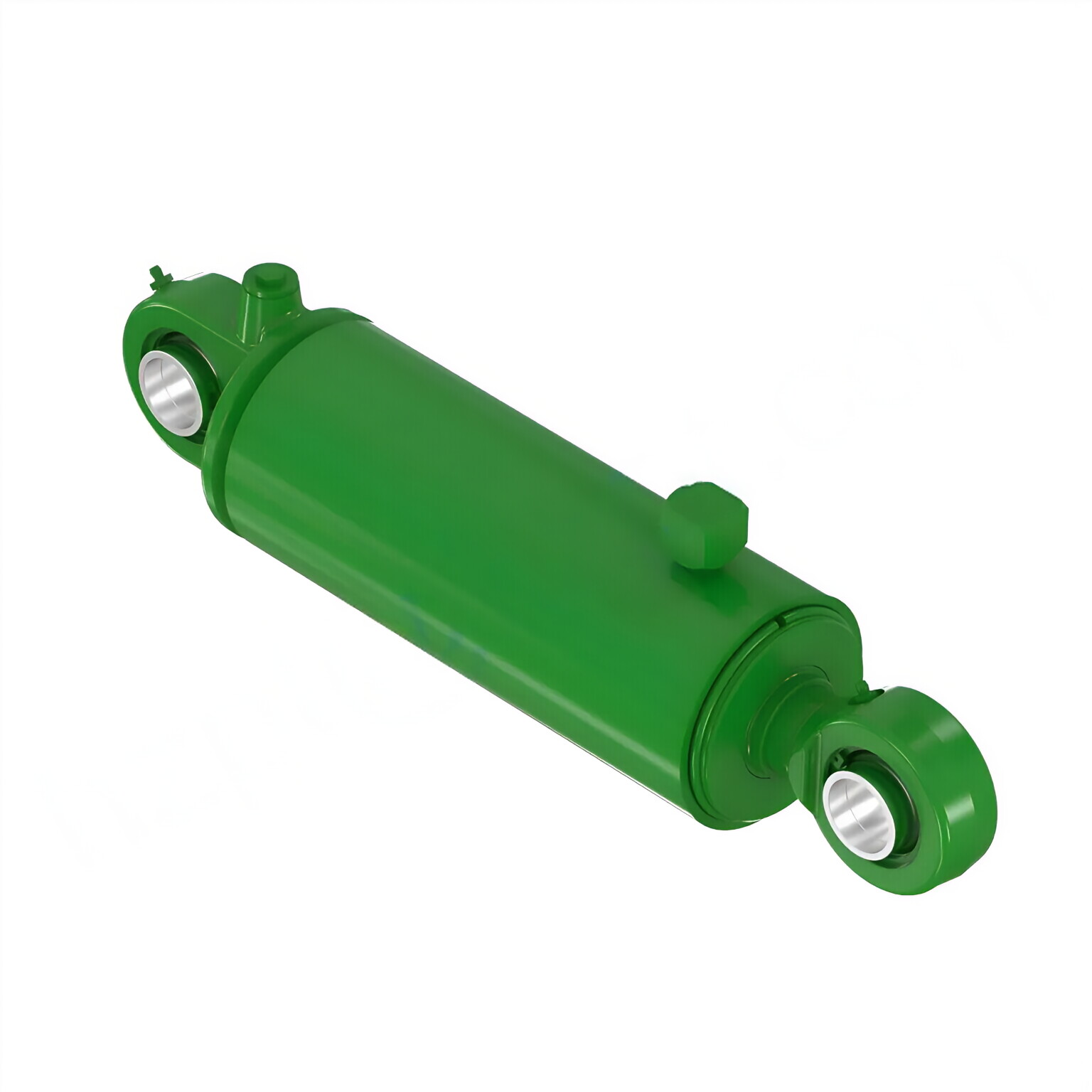
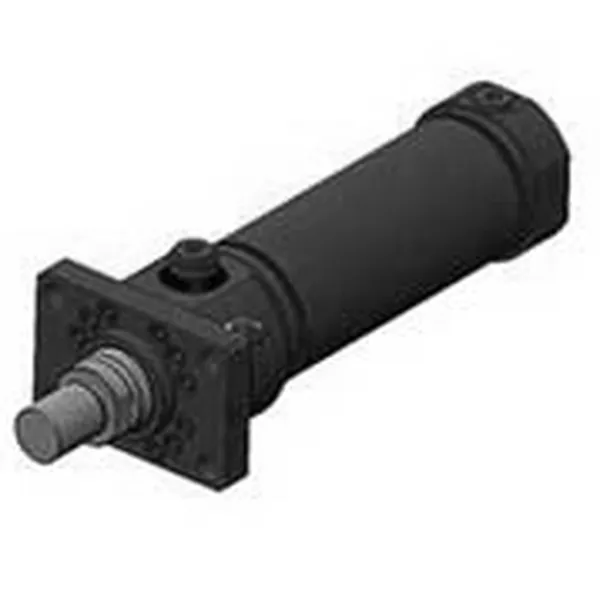
A bucket cylinder is a type of hydraulic cylinder that is specifically used to control the movement of buckets in heavy machinery such as excavators, backhoe loaders, and front-end loaders. It enables the bucket to lift, lower, and tilt, making it easier to perform material handling tasks.
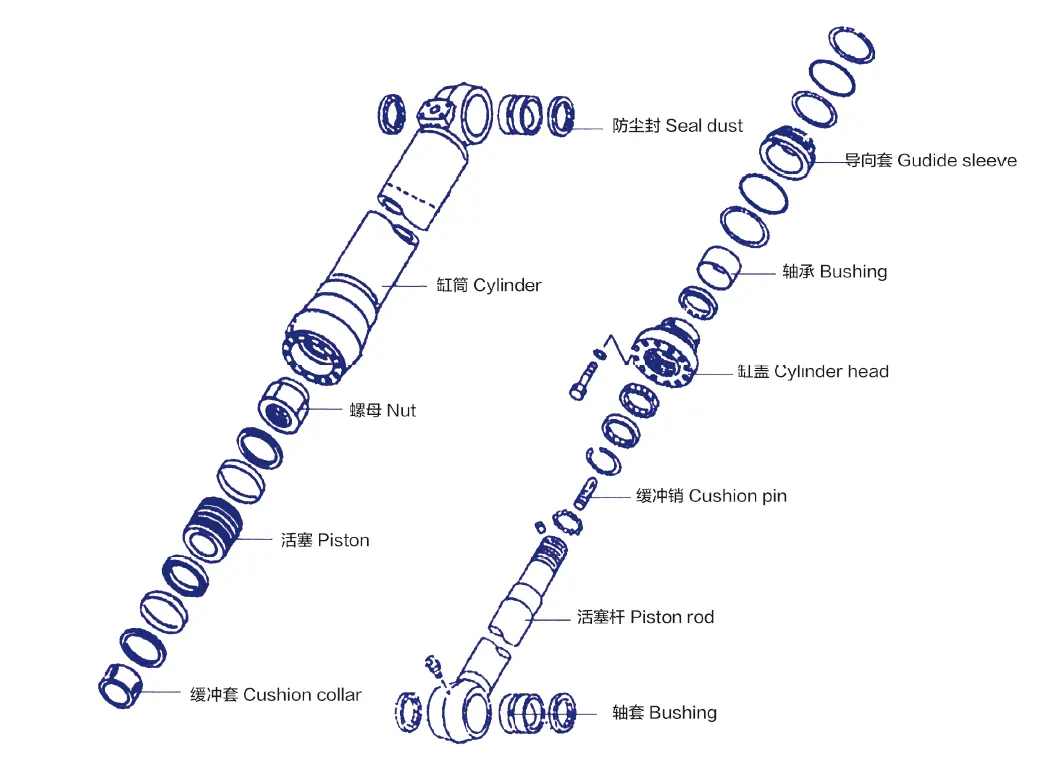
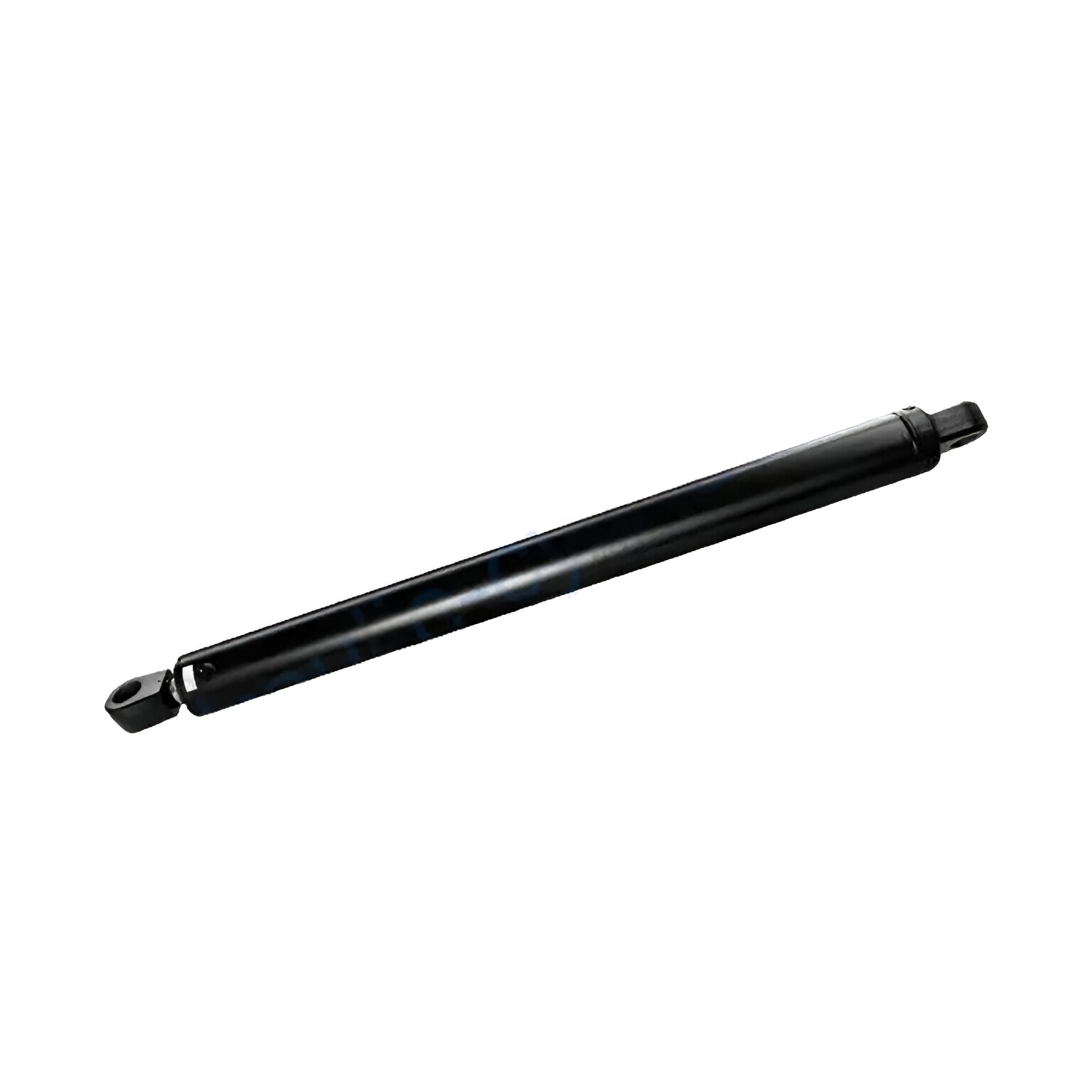
Bucket cylinders are an essential component in hydraulic systems of heavy machinery. They play a crucial role in providing the necessary force to move the bucket for material handling tasks. The hydraulic oil in the cylinder is pressurized to achieve smooth and efficient movement of the bucket. Bucket cylinders come in single-acting and double-acting types, depending on their hydraulic usage in one or two directions. They are also available in telescopic types that allow for greater extension without increasing the external dimensions, making them suitable for space-constrained applications.
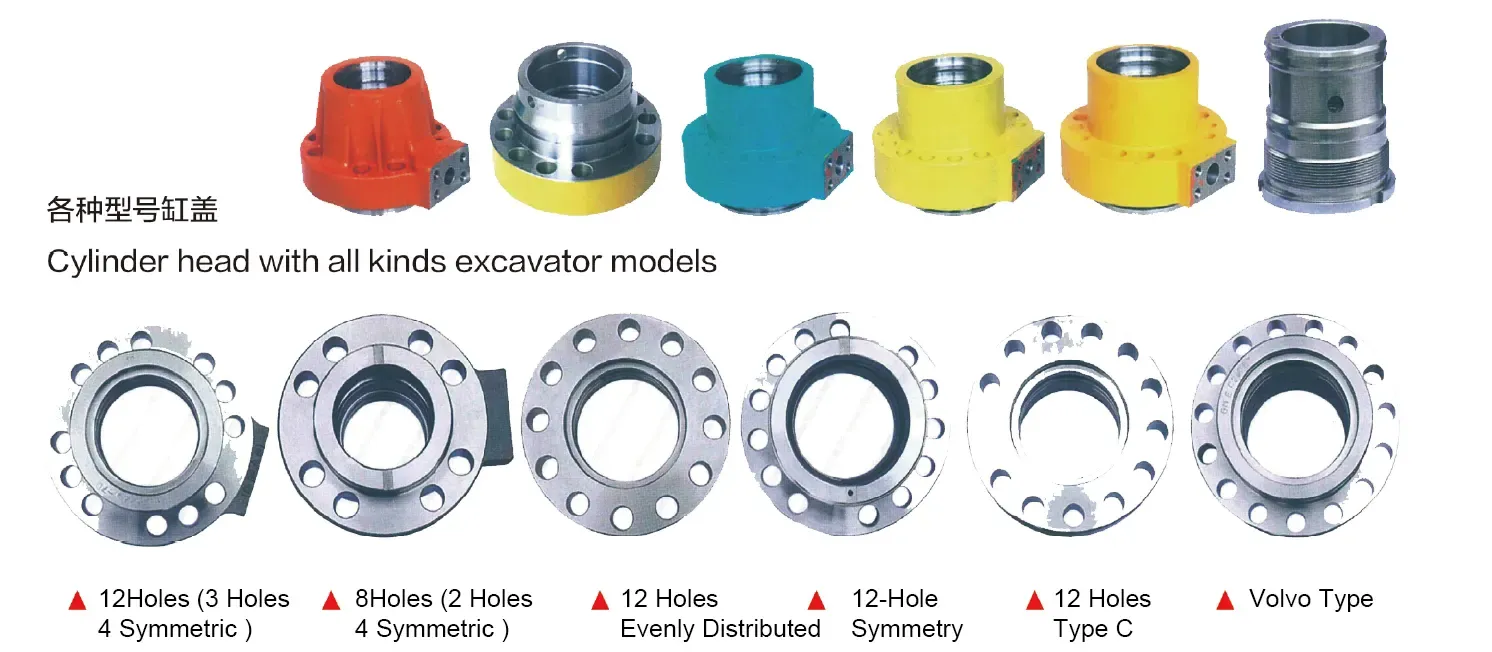
Construction equipment, such as excavators and backhoe loaders, heavily relies on bucket cylinders to excavate, load, and move soil or debris. In backhoe loaders, bucket cylinders assist in both digging and lifting operations.
In front-end loaders, bucket cylinders are used to pick up, lift, and transport soil, hay, and other materials. In excavators, bucket cylinders facilitate digging by allowing the bucket to penetrate the soil.
When selecting bucket cylinders, several design considerations need to be taken into account to ensure their optimal performance and longevity. These include:
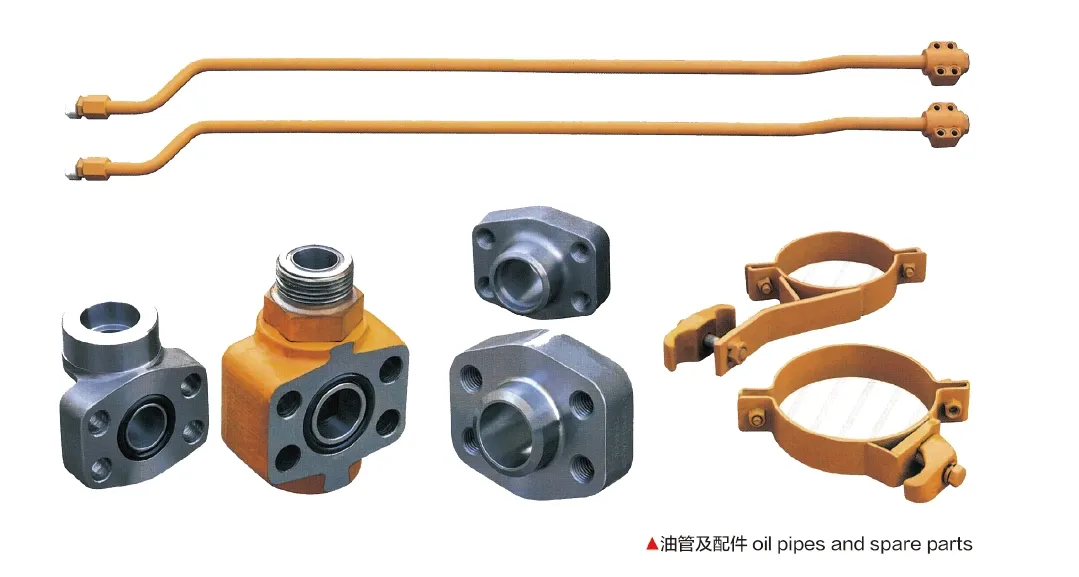
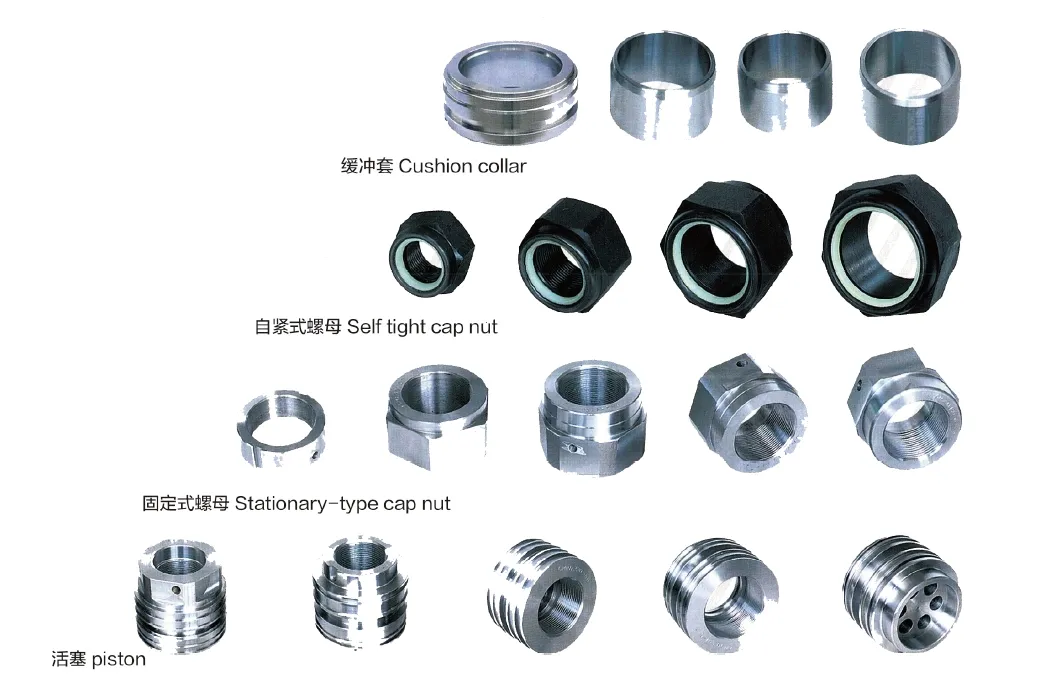
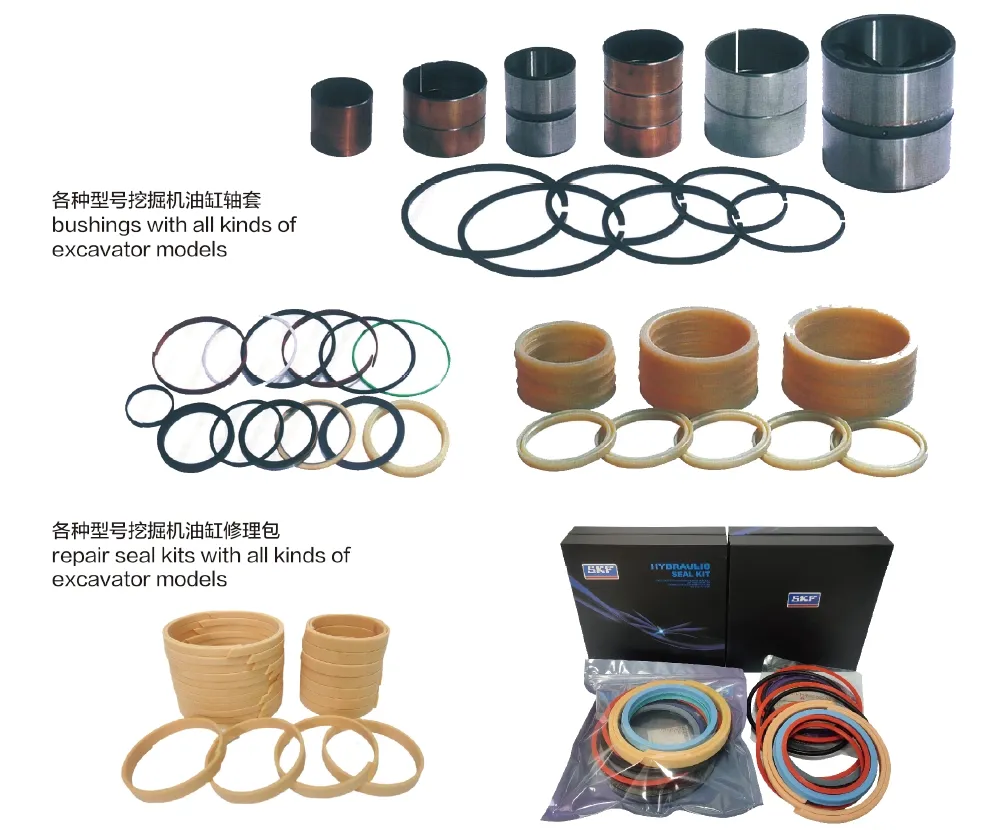
Bucket cylinders use various sealing components, such as piston seals and rod seals, made of wear-resistant materials, including polyurethane and nitrile rubber, to ensure efficient sealing performance. The cylinder body and threaded end surfaces undergo precise processing to improve wear resistance. Regular application of hydraulic oil is required to lubricate the cylinder and prevent wear and tear.
To ensure the longevity and optimal performance of bucket cylinders, regular maintenance and repair are necessary. Common maintenance tasks include checking, lubricating, and replacing seals, as well as calibrating the cylinder. Proper installation is also crucial, with correct alignment and the use of appropriate installation brackets to secure the cylinder. Maintenance and repair should follow recommended procedures, and rebuilding services are available to extend the service life of the product.
Bucket cylinders must be used with appropriate safety measures, such as personal protective equipment, to prevent workplace accidents and injuries. Environmental considerations, such as proper waste disposal of the old or damaged cylinder, must also be taken seriously to minimize the impact on the environment.
Common faults of bucket cylinders include oil leakage, insufficient force, and abnormal sounds. Diagnosis and prevention of these faults require checking the seals, hydraulic fluid levels and quality, and the condition of the cylinder body and piston rod. Prevention measures include regular maintenance, proper handling and installation, and avoiding overload or misuse of the cylinder.
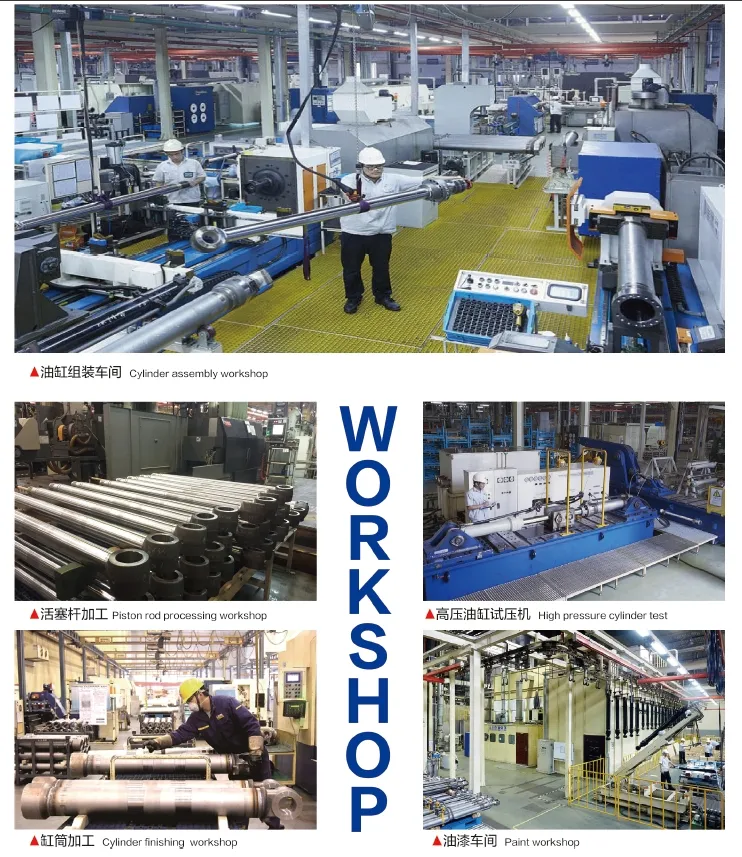
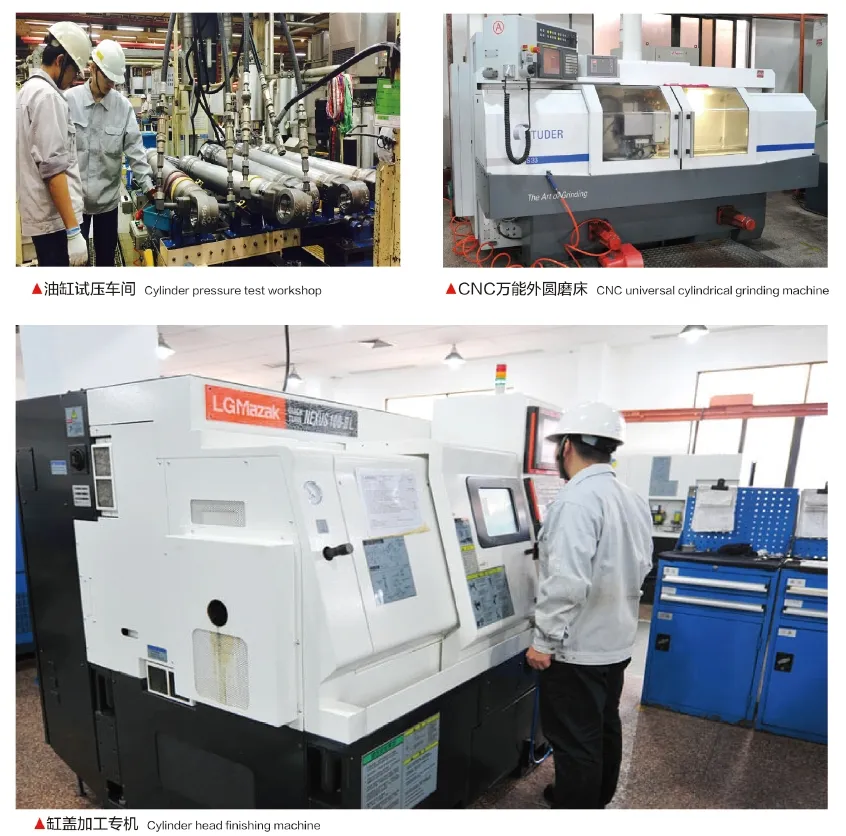
We are a leading manufacturer and wholesale distributor of hydraulic cylinders, including bucket cylinders, with a complete range of product types for various models of excavators, backhoe loaders, and front-end loaders. With a focus on excellent quality and precision manufacturing, our company adopts an industrialized production management strategy that relies on a team of technical personnel, advanced digital manufacturing equipment, and professional testing systems. As a result, our manufacturing platform and product quality production line continue to improve, enabling us to provide efficient, accurate, and high-quality products that meet diverse customer needs.
Author: lyl
Address
Luotuo Industrial Area, Zhenhai District, Ningbo City, China
Tel

 Raydafon