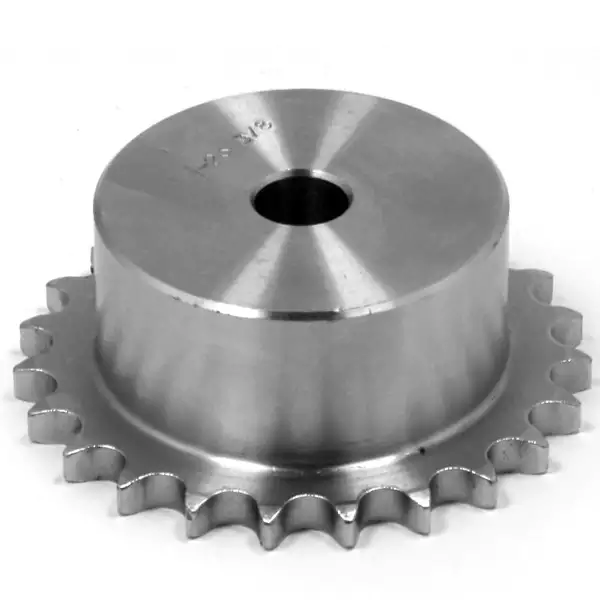
Discover the Raydafon Group NK100B Standard Bore Sprocket: a durable, precision-engineered component designed for smooth power transmission in industrial machinery. Its high-quality steel construction ensures reliable performance, reducing downtime and maintenance costs. Ideal for engineers and manufacturers, this sprocket enhances operational efficiency, delivering a seamless and trustworthy solution for demanding applications. Experience superior durability and seamless integration with the NK100B—your key to enhanced productivity and peace of mind.
A standard bore sprocket is a type of sprocket that is commonly used in various industrial applications. It is designed to transmit rotational motion between two shafts with the help of a chain. The sprocket consists of teeth that engage with the chain, allowing it to transfer power and motion.
Basic structure of a sprocket
A sprocket typically has the following components:
Material: The sprocket can be made of high carbon steel, alloy steel, or stainless steel, depending on the specific requirements.
Tooth profile: The shape of the teeth determines how the sprocket interacts with the chain.
Number of teeth: This determines the gear ratio and affects the speed and torque of the system.
Size: The overall dimensions of the sprocket, including the diameter and width.
Bore: The center hole of the sprocket, which fits onto the shaft.
Keyway: A slot cut into the bore to accommodate a key, which prevents the sprocket from rotating on the shaft.
Surface treatment: The sprocket can undergo various surface treatments, such as rust prevention, to enhance its durability and performance.
Materials and processes used in our sprockets
Our sprockets are manufactured using high-quality materials and advanced processes. The material options include high carbon steel, alloy steel, or stainless steel, based on the specific application requirements. The manufacturing process involves material selection, cutting, stamping or forging, machining (turning, milling, drilling), heat treatment (quenching, tempering, surface hardening), surface treatment (rust prevention), and quality testing.
Applications of sprockets
Sprockets find applications in various industries, including:
Heavy machinery and equipment
Food processing and packaging
Chemical and pharmaceutical
Assembly lines
Logistics and warehousing
Maintenance and upkeep of sprockets
To ensure the longevity and optimal performance of sprockets, it is important to follow proper maintenance practices, including:
Daily inspections to check for any signs of wear or damage
Cleaning the sprocket regularly to remove dirt and debris
Lubricating the sprocket and chain to reduce friction
Adjusting and calibrating the sprocket when necessary
Common issues that may arise with sprockets include teeth skipping, breakage, wear, excessive noise, and chain disengagement. Here are some solutions to these problems:
To address teeth skipping, check for proper alignment and tension of the chain.
In case of breakage, replace the broken sprocket with a new one.
Wear can be minimized by regular maintenance and lubrication.
Excessive noise can be reduced by ensuring proper lubrication and alignment.
If the chain keeps disengaging, inspect for any damage or wear and make necessary adjustments.
Other types of sprockets we offer
In addition to the NK100B Standard Bore Sprocket, we also provide other types of sprockets, such as:
Platewheel sprocket
Idler sprocket
QD sprocket
Taper lock sprocket
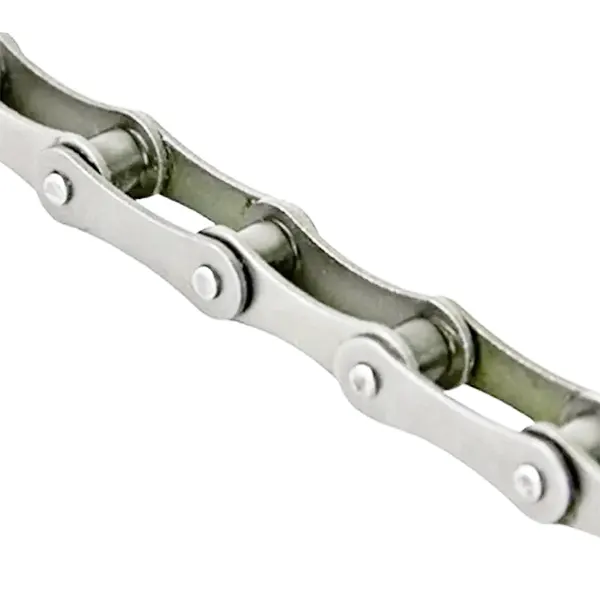
These sprockets are designed to cater to different application requirements. We also offer compatible chains that can be used in conjunction with these sprockets.
Hot Tags: NK100B Sprocket Manufacturer, Standard Bore Sprocket Supplier, Industrial Sprocket Wholesale
We use cookies to offer you a better browsing experience, analyze site traffic and personalize content. By using this site, you agree to our use of cookies.Privacy Policy