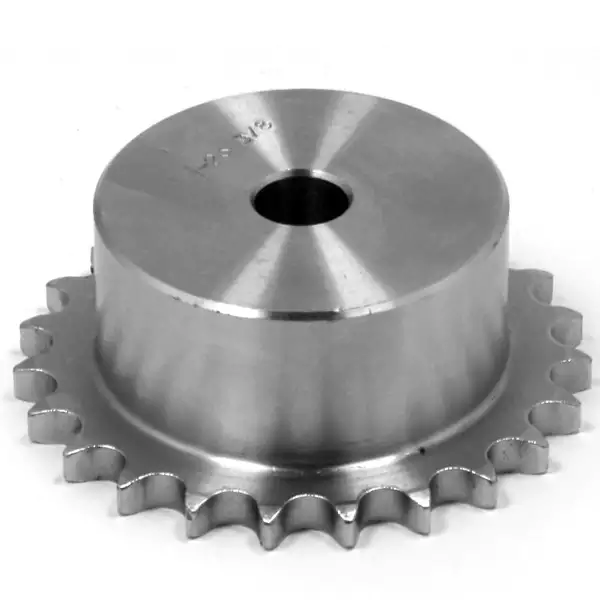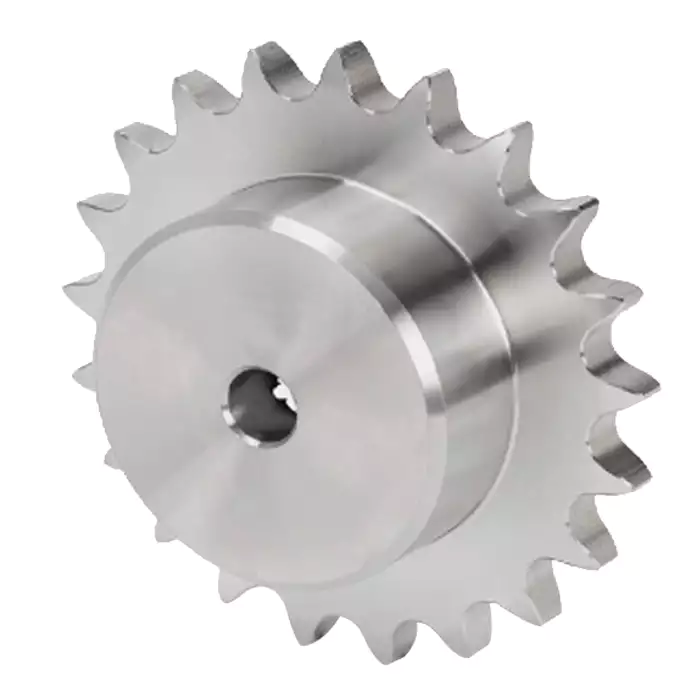
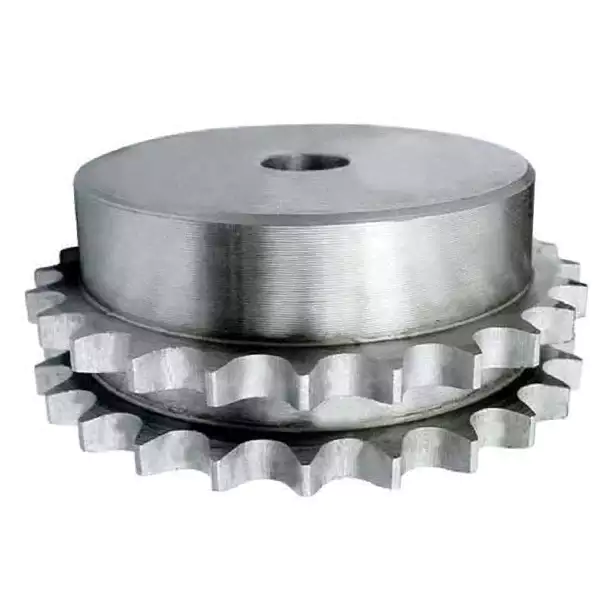
Discover the superior performance of Raydafon Guoup's No.100-2 Standard Bore Sprocket, crafted for industrial machinery to ensure smooth, reliable power transmission. With durable steel construction and precision engineering, this sprocket minimizes wear and downtime, making it an essential upgrade for engineers and technicians. Experience enhanced efficiency and peace of mind, knowing it outlasts competitors with its robust design. Elevate your operations with unmatched quality and durability today!
A standard bore sprocket is a crucial component in power transmission systems. It is used to transfer rotational motion between two shafts with the help of a chain. The standard bore sprocket featured here is the No.100-2, offering reliable performance and durability. To better understand this product, refer to the selection table below:
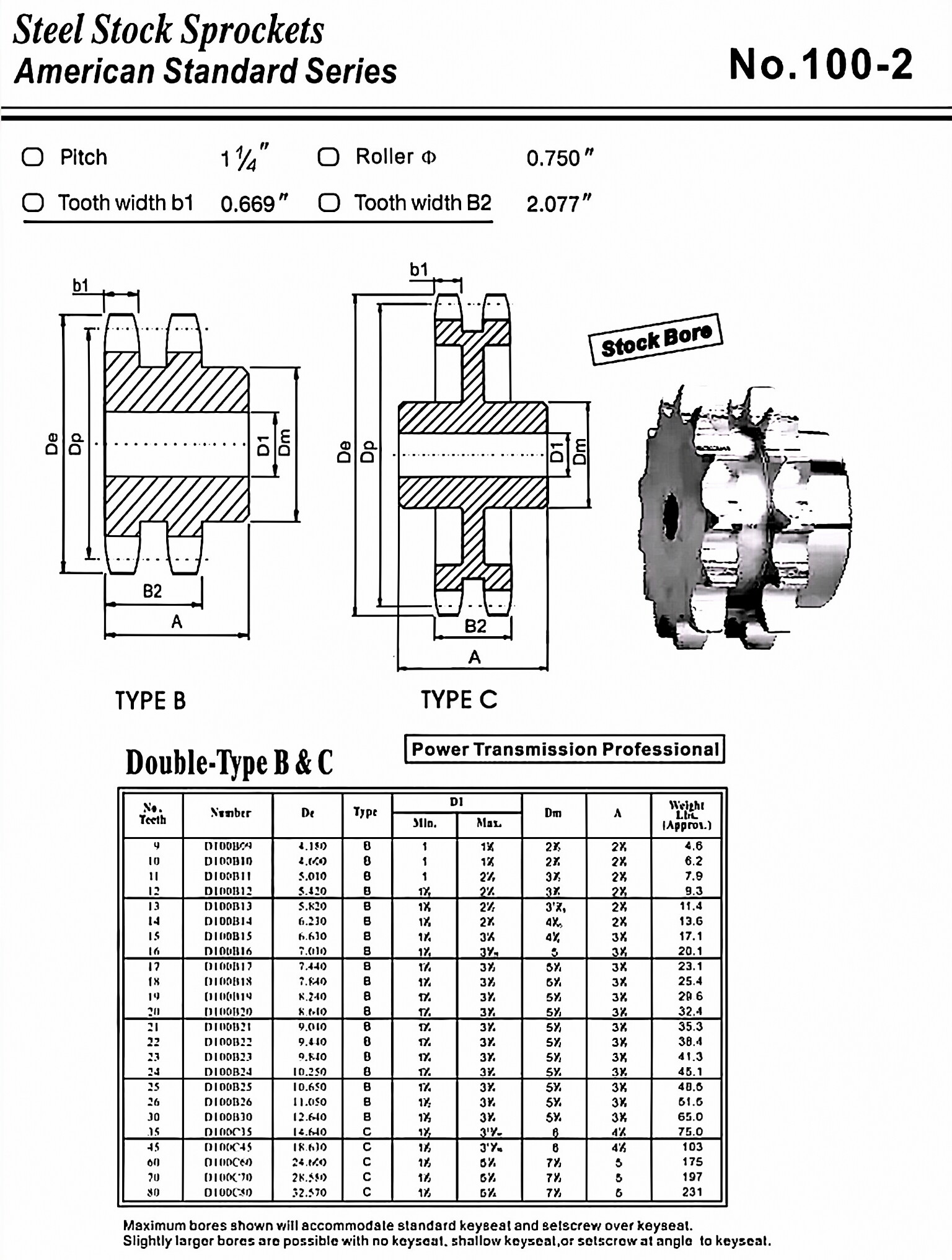
Basic Structure of Sprocket
A sprocket consists of several important elements that need to be customized according to specific requirements:
Material: The choice of material depends on the application. It can be high carbon steel, alloy steel, or stainless steel.
Tooth Profile: Different tooth profiles are available to ensure optimal chain engagement and smooth operation.
Number of Teeth: The number of teeth determines the speed ratio and power transmission capabilities.
Dimensions: The dimensions of the sprocket, including outer diameter and thickness, are critical for proper fit and function.
Bore: The center hole of the sprocket where it mounts onto the shaft.
Keyway: A groove on the bore for positioning the sprocket on the shaft.
Surface Treatment: Various surface treatments, such as rust protection, can enhance the longevity of the sprocket.
Material and Manufacturing Process
At our company, we use high-quality materials and advanced manufacturing processes to ensure the reliability and performance of our sprockets:
Material: Our sprockets are made of high carbon steel, alloy steel, or stainless steel, depending on the application requirements.
Manufacturing Process: Our sprockets go through a series of processes including material selection, cutting, stamping, forging, machining, heat treatment, surface hardening, rust protection, and quality inspection.
Applications
No.100-2 Standard Bore Sprockets find applications in various industries, including:
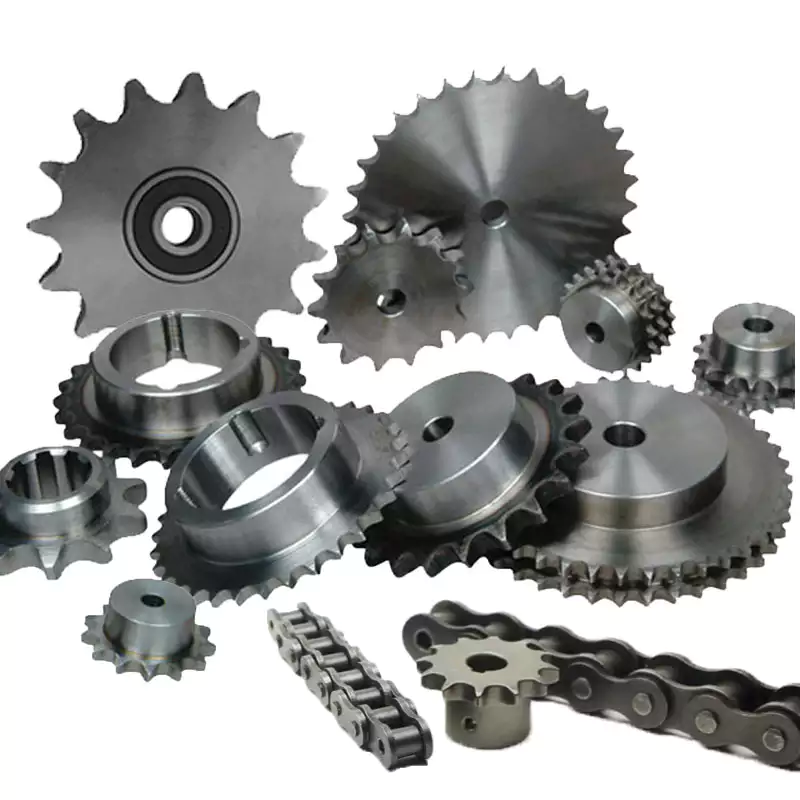
Heavy machinery and equipment
Food processing and packaging
Chemical and pharmaceutical
Assembly lines
Logistics and warehousing
Maintenance and Care
Proper maintenance is crucial to ensure the longevity and reliability of sprockets:
Daily Inspection: Regularly inspect the sprocket for any signs of wear, damage, or misalignment.
Cleaning: Keep the sprocket clean from dirt, debris, and lubricant buildup.
Lubrication: Apply appropriate lubrication to reduce friction and enhance performance.
Adjustment and Calibration: Periodically adjust and calibrate the sprocket to maintain optimal chain tension and alignment.
Common Issues and Solutions:
Skipping Teeth: This can be caused by a worn-out chain or misalignment. Replace the chain or realign the sprocket.
Breakage: Excessive loads or material fatigue can lead to sprocket breakage. Replace the sprocket with a new one.
Wear: Continuous usage can cause wear on the teeth. Regularly inspect and replace the sprocket when necessary.
Noise: Excessive noise can result from poor lubrication or misalignment. Lubricate or adjust the sprocket accordingly.
Chain Disengagement: Improper tension or damaged chain can cause the chain to come off. Adjust the tension or replace the chain.
Other Types of Sprockets
In addition to the No.100-2 Standard Bore Sprocket, we offer a range of other sprocket types to meet different needs:
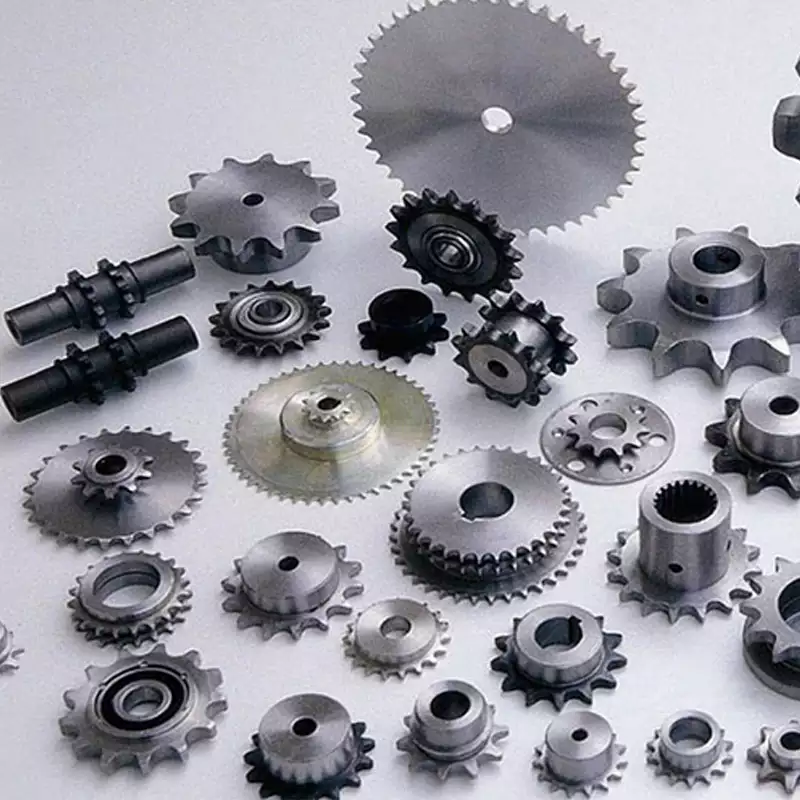
Platewheel Sprocket
Idler Sprocket
QD Sprocket
Taper Lock Sprocket
Author: Miya
Hot Tags: Standard Bore Sprocket Manufacturer, No.100-2 Sprocket Wholesale, Industrial Sprocket Supplier
We use cookies to offer you a better browsing experience, analyze site traffic and personalize content. By using this site, you agree to our use of cookies. Privacy Policy