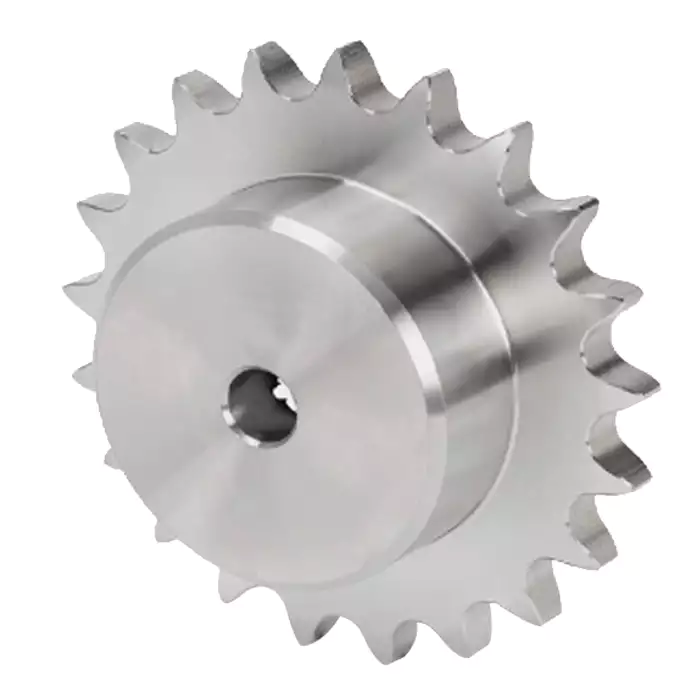
Discover Raydafon Group's No.180 Standard Bore Sprocket: a durable, precision-engineered component essential for smooth power transmission in industrial and agricultural machinery. Crafted from high-quality materials, it ensures long-lasting performance and reliability, making it ideal for professionals and enthusiasts seeking efficient operations. Experience reduced downtime and enhanced productivity—upgrade your equipment with this trusted sprocket today for seamless, powerful results.
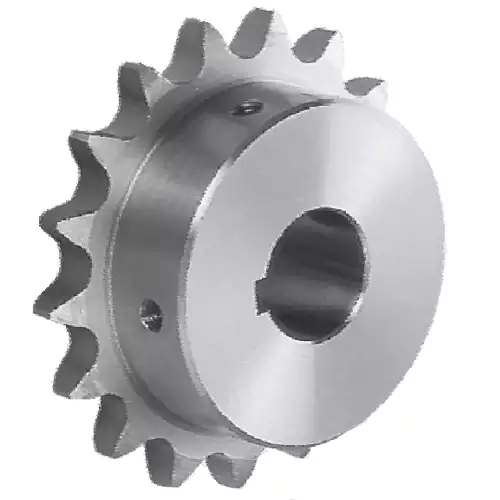
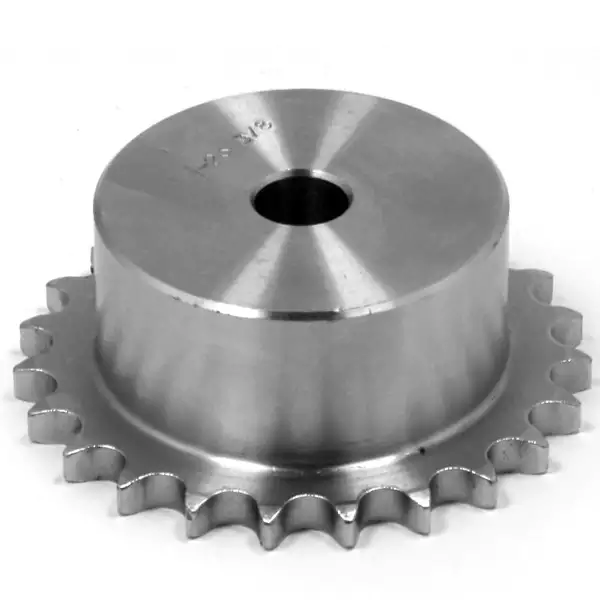
A standard bore sprocket is a type of sprocket that is commonly used in various industrial applications. It is designed to transmit rotational motion between two shafts using a chain. The standard bore sprocket is widely used in machinery and equipment.
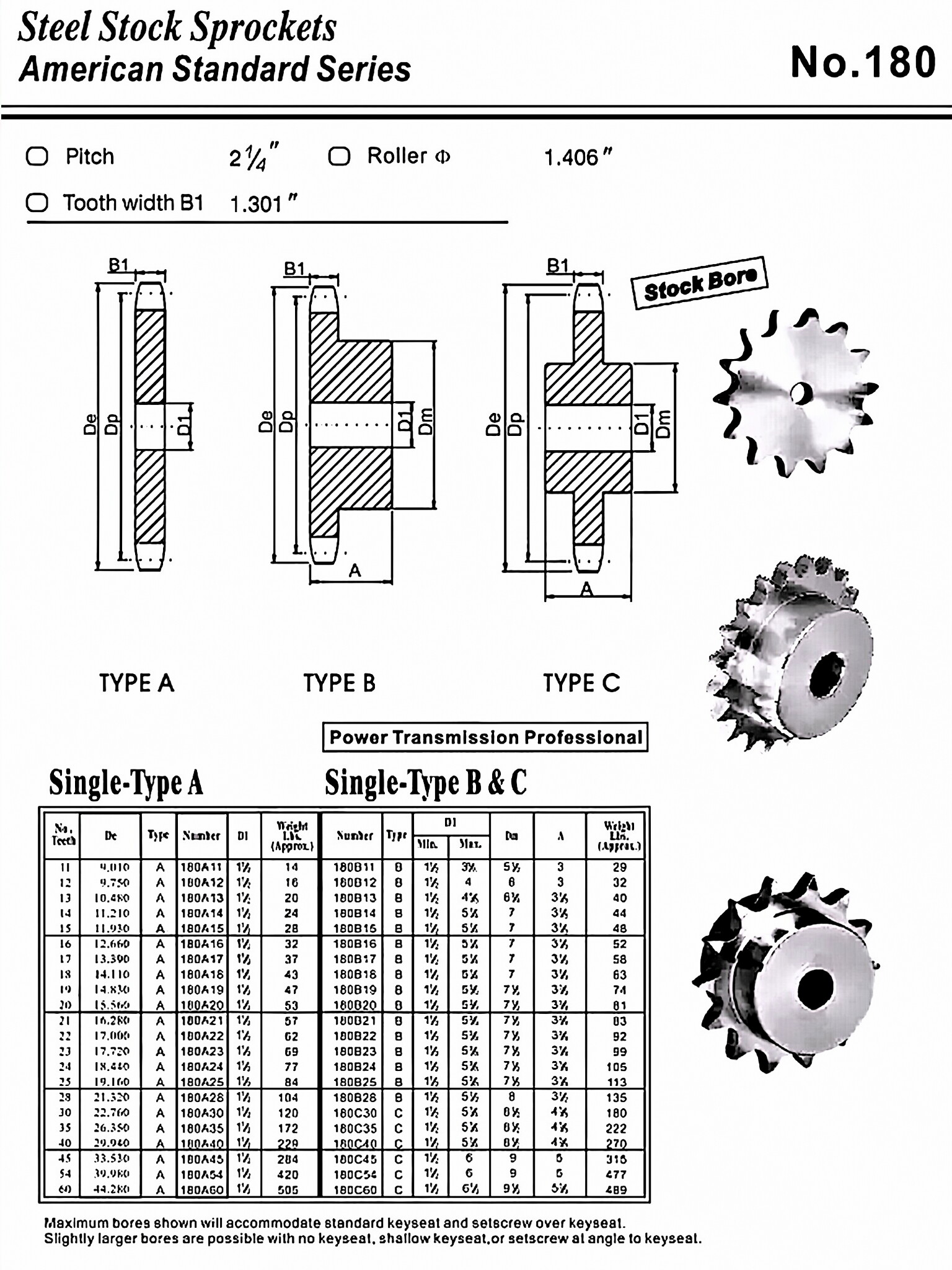
Basic structure and customization factors
When selecting a standard bore sprocket, certain factors need to be considered:
Material: The material used for the sprocket can be high carbon steel, alloy steel, or stainless steel.
Tooth profile: The tooth profile determines how the chain engages with the sprocket.
Number of teeth: The number of teeth on the sprocket affects the speed ratio and power transmission.
Size: The dimensions of the sprocket need to be determined based on the application requirements.
Center bore: The center bore of the sprocket needs to match the shaft size for proper installation.
Keyway: If required, a keyway can be provided to secure the sprocket to the shaft.
Surface treatment: The sprocket can undergo surface treatments such as rust prevention to enhance durability.
Material and manufacturing process
Our sprockets are made from high carbon steel, alloy steel, or stainless steel. The manufacturing process involves material selection, cutting, stamping or forging, machining (turning, milling, drilling), heat treatment (quenching, tempering, surface hardening), surface treatment (rust prevention), and quality inspection.
Applications
Sprockets find their applications in various industries:
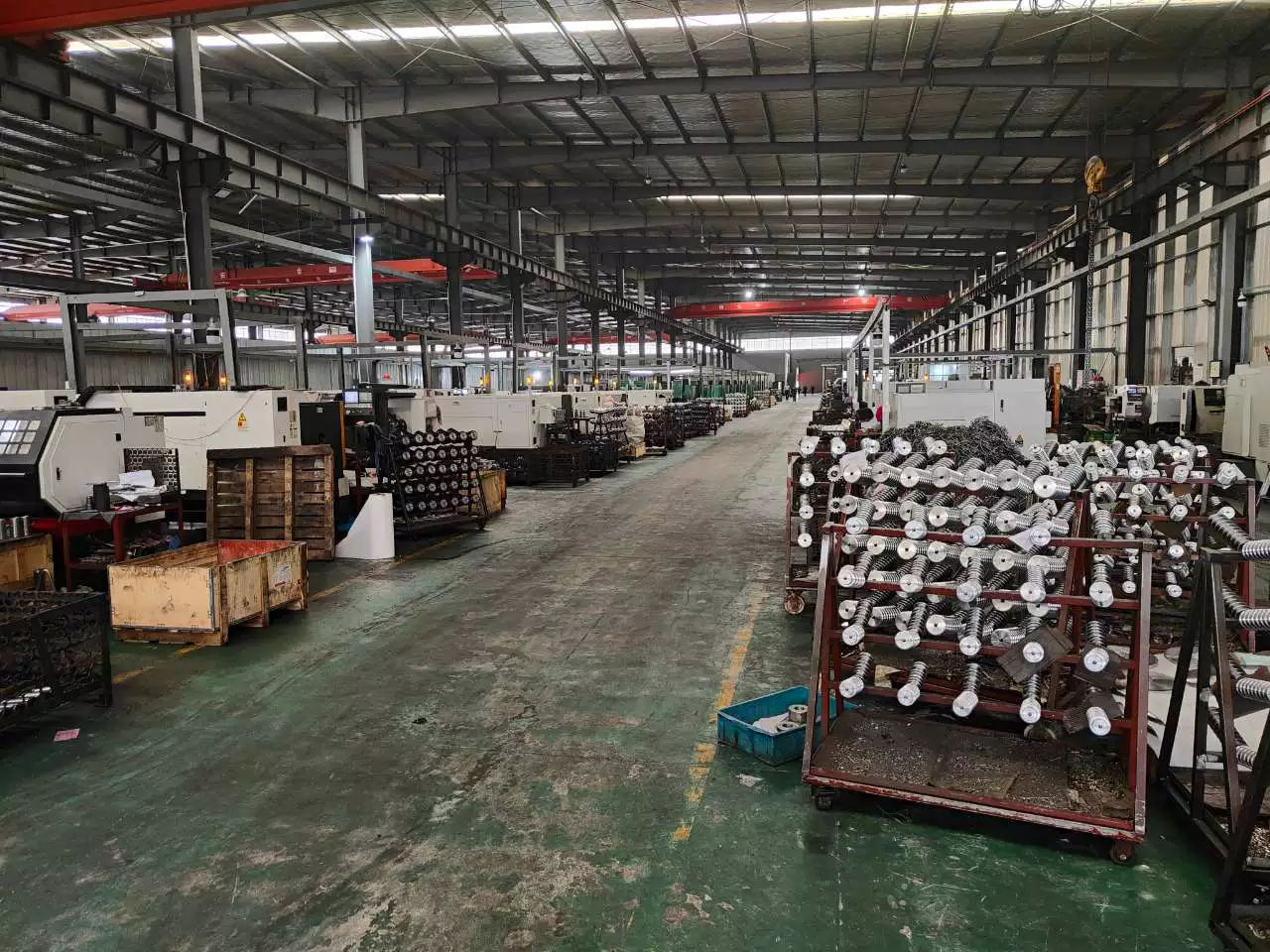
Heavy machinery and equipment
Food processing and packaging
Chemical and pharmaceutical
Assembly lines
Logistics and warehousing
Maintenance and troubleshooting
Proper maintenance and care are essential for the longevity of sprockets:
Daily inspection: Regularly check for any signs of damage or wear.
Cleaning: Keep the sprocket clean from dirt and debris.
Lubrication: Apply suitable lubricants to reduce friction and prevent premature wear.
Adjustment and calibration: Ensure proper alignment and tension of the chain.
Common issues and their solutions:
Skipping teeth: Check for proper alignment and tension. Replace the chain if necessary.
Breakage: Inspect for any signs of fatigue or damage. Replace the sprocket if needed.
Wear: Monitor the wear of the teeth regularly. Replace the sprocket if it becomes excessively worn.
Noise: Lubricate the sprocket and chain properly. Check for misalignment or loose components.
Chain slippage: Adjust the tension of the chain and ensure proper engagement with the sprocket.
Other types of sprockets
In addition to the No.180 Standard Bore Sprocket, we also offer other types of sprockets:

Platewheel sprocket
Idler sprocket
QD sprocket
Taper lock sprocket
These sprockets can be paired with compatible chains to meet the specific requirements of different applications.
Author: Miya
Hot Tags: Standard Bore Sprocket, No.180 Sprocket Wholesale, Custom Sprocket Manufacturer
We use cookies to offer you a better browsing experience, analyze site traffic and personalize content. By using this site, you agree to our use of cookies. Privacy Policy