Plastic Conveyor Chains Straight Running Plastic Chains With Base Roller Chains 12.7mm(1/2 inch)Pitch LF843 - K118
Raydafon Group's Plastic Conveyor Chains, including the Straight Running Plastic Chains With Base Roller Chains 12.7mm(1/2 inch)Pitch LF843 - K118, deliver smooth, efficient material handling with durable polymer construction. Perfect for industrial settings, these chains offer low-maintenance operation, noise reduction, and resistance to corrosion. Ideal for packaging, food processing, and automotive lines, they enhance productivity while solving wear and downtime issues. Their unique design ensures precise straight running with reliable roller support. Upgrade your conveyor system today with Raydafon's trusted quality!
Plastic Conveyor Chains Straight Running Plastic Chains With Base Roller Chains 12.7mm(1/2 inch)Pitch LF843 - K118
Introduction
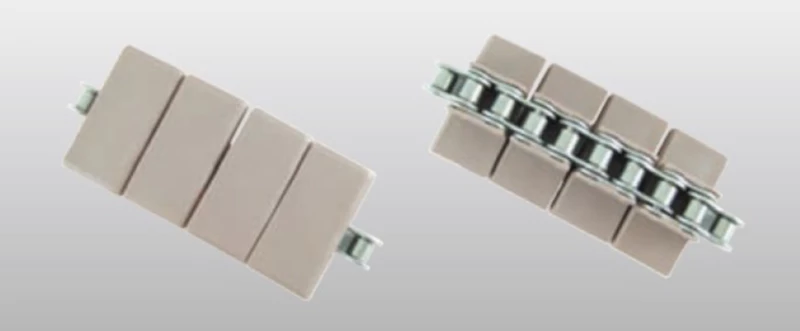
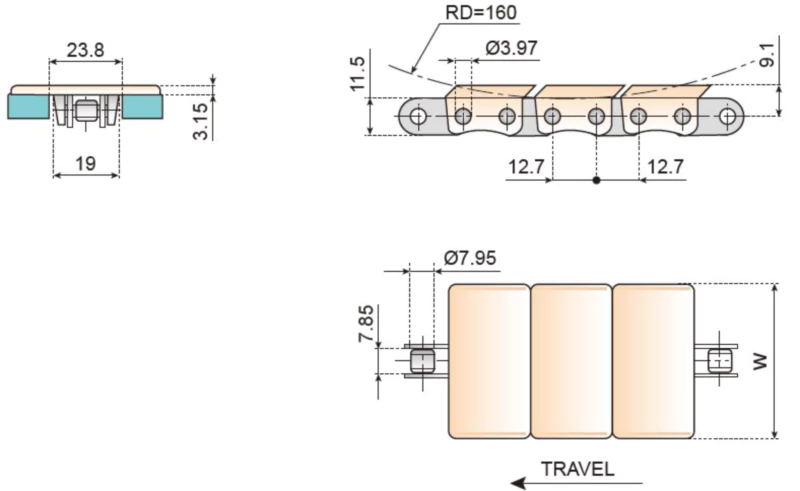
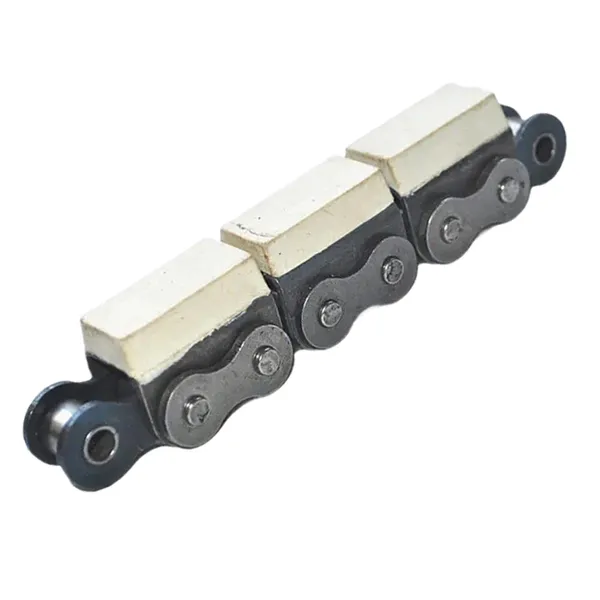
Plastic conveyor chains are a type of chain used for material transportation, consisting of plastic chain links and used in straight or curved conveyor systems. They are designed for straight-line travel and are suitable for long-distance and high-speed transportation. Here is an image of LF843-K118:
Features and Advantages
Lightweight: Plastic conveyor chains are lighter than metal chains, making them easier to handle and install.
Corrosion resistance: Plastic chains have high corrosion resistance and can be used in wet or corrosive environments without rusting.
High strength: Plastic conveyor chains typically have sufficient strength and rigidity to withstand a certain amount of load and tension.
Low noise: Plastic chains produce less noise during operation compared to metal chains, which helps to improve the working environment.
Mild impact absorption: Plastic chains have a certain degree of flexibility and impact resistance, which can reduce the impact and vibration during transportation.
Low maintenance cost: Plastic chains usually do not require lubrication, resulting in lower maintenance costs and reducing the frequency and workload of cleaning work.
Applications
Plastic conveyor chains are widely used in various industries, including:
Packaging industry: These chains are commonly used in packaging industry conveyor systems for transporting boxes, bottles, cans and other packaging containers.
Food processing industry: In the food processing industry, plastic chains are used for transporting food products such as bread, biscuits, candies, etc. Due to their good corrosion resistance and hygiene performance, they are very suitable for use in the food industry.
Logistics and sorting: Plastic conveyor chains are widely used in the logistics and sorting industry for transporting goods, boxes, packages, etc. They can form efficient conveyor systems in warehouses, logistics centers, and sorting centers.
Automated production lines: These chains are also commonly used in automated production lines for transporting parts, assemblies, and finished products. They play an important role in the automotive manufacturing, electronics manufacturing, and other industrial fields.
Mechanical manufacturing: Plastic chains are used for material handling and transportation in the mechanical manufacturing industry. They can be used to transport metal parts, plastic products, wood, and other materials.
Warehousing and distribution: These chains can be used for material handling and transportation in warehousing and distribution centers to ensure efficient and accurate transportation of materials.
Customization options
When selecting plastic conveyor chains, it is important to:
Ensure specific application requirements are clear with the manufacturer or supplier, including working environment conditions, load requirements, curve radius, speed requirements, etc. This will help the manufacturer provide customized chain solutions.
Select the appropriate plastic material based on the requirements of the application environment to ensure wear resistance, corrosion resistance, and chemical resistance. Different plastic materials have different characteristics, such as polyethylene, polyamide, polypropylene, and so on.
Determine the size and construction of the chain based on the layout of the equipment and curve transportation requirements. This includes chain width, roller diameter, chain link shape, etc. Ensure that the customized chain is fully compatible with the equipment and meets the curve transportation requirements.
Installation
To install plastic conveyor chains, follow these steps:
Clean the work area: Ensure the work area is clean and free of any obstacles for the installation work to proceed.
Prepare tools and materials: Prepare the necessary tools, such as wrenches, screwdrivers, and bolts, nuts, etc. needed to install the chain.
Install the chain: Install the chain correctly on the conveying equipment according to the manufacturer's installation guide. Ensure the position and fastening of the chain to ensure its normal operation.
Adjust and test: After installation, adjust and test the chain. Ensure that the chain is not overly loose or tight during operation and test the normal operation and lateral bending ability of the chain.
Maintenance
To maintain plastic conveyor chains, follow these steps:
Regular cleaning: Regularly clean the chain and rollers to remove accumulated dirt and debris. Use cleaning agents and brushes to clean and ensure that the chain surface remains clean and smooth.
Lubrication: Regularly lubricate the chain and rollers according to the manufacturer's recommendations. Use suitable lubricants to ensure smooth operation of the chain during operation and reduce wear.
Inspect and replace parts: Regularly inspect the wear and damage of the chain, rollers, and other parts. If any damage or wear is found, replace it in a timely manner.
Adjust and calibrate: Regularly check the tension and lateral bending ability of the chain and make necessary adjustments and calibrations.
Follow manufacturer's guide: Always follow the manufacturer's maintenance guide and recommendations. Especially for special customized chains, the manufacturer may provide specific maintenance requirements and precautions.
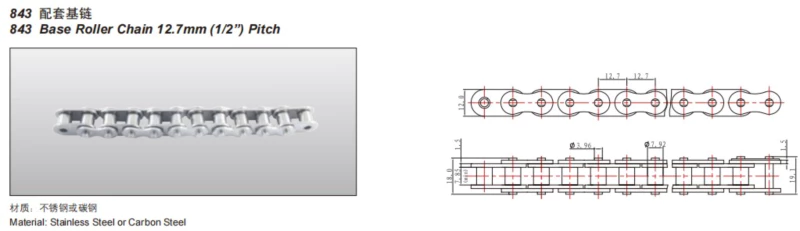
We also provide matching chains
Sprockets
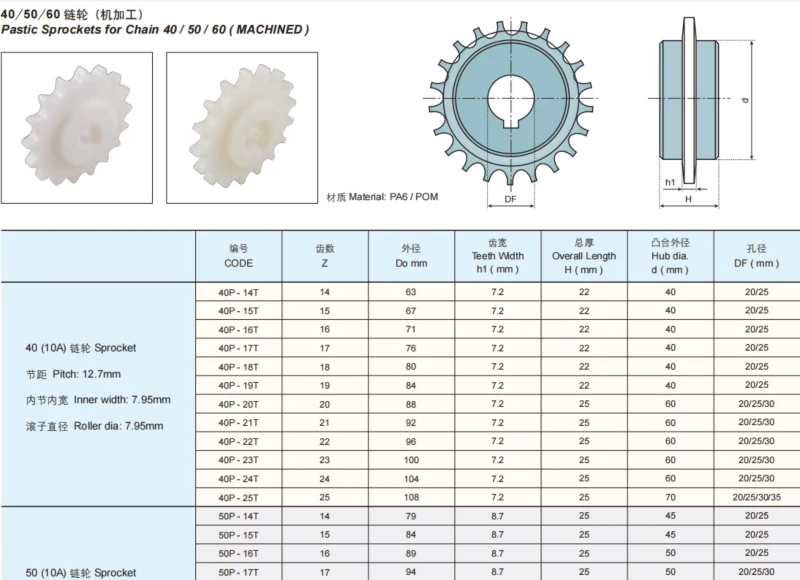
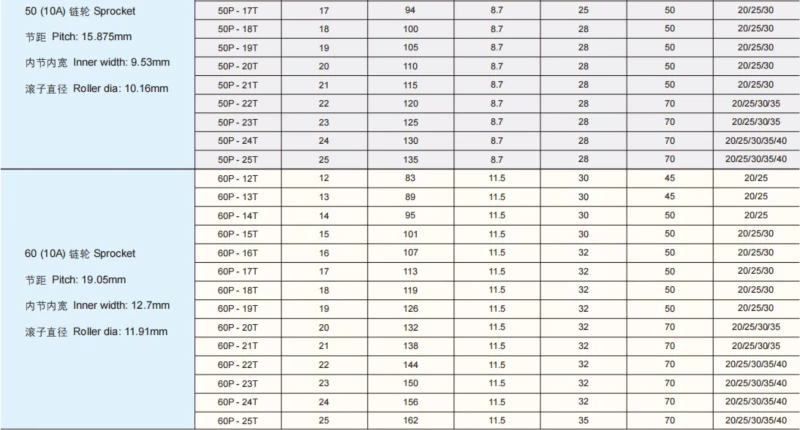
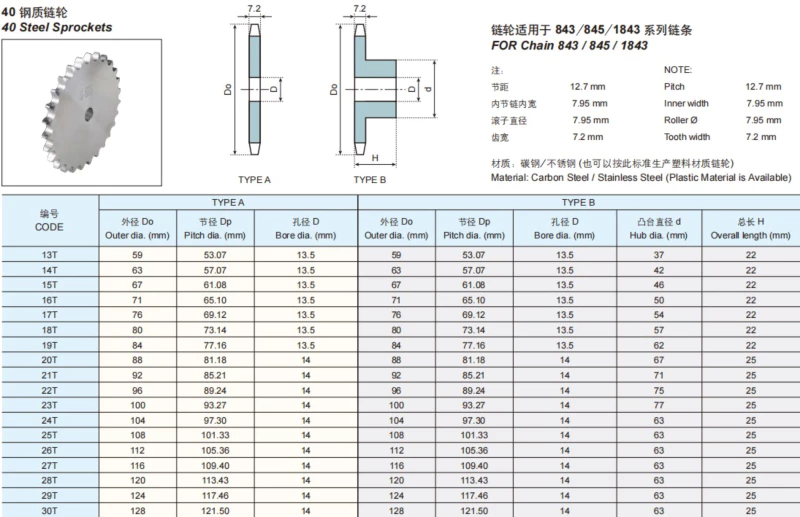
We also provide matching sprockets for plastic conveyor chains, which play a crucial role in ensuring the smooth and efficient operation of the chain and reducing wear. Here are some images of sprockets that are compatible with LF843-K118:
Other chain products
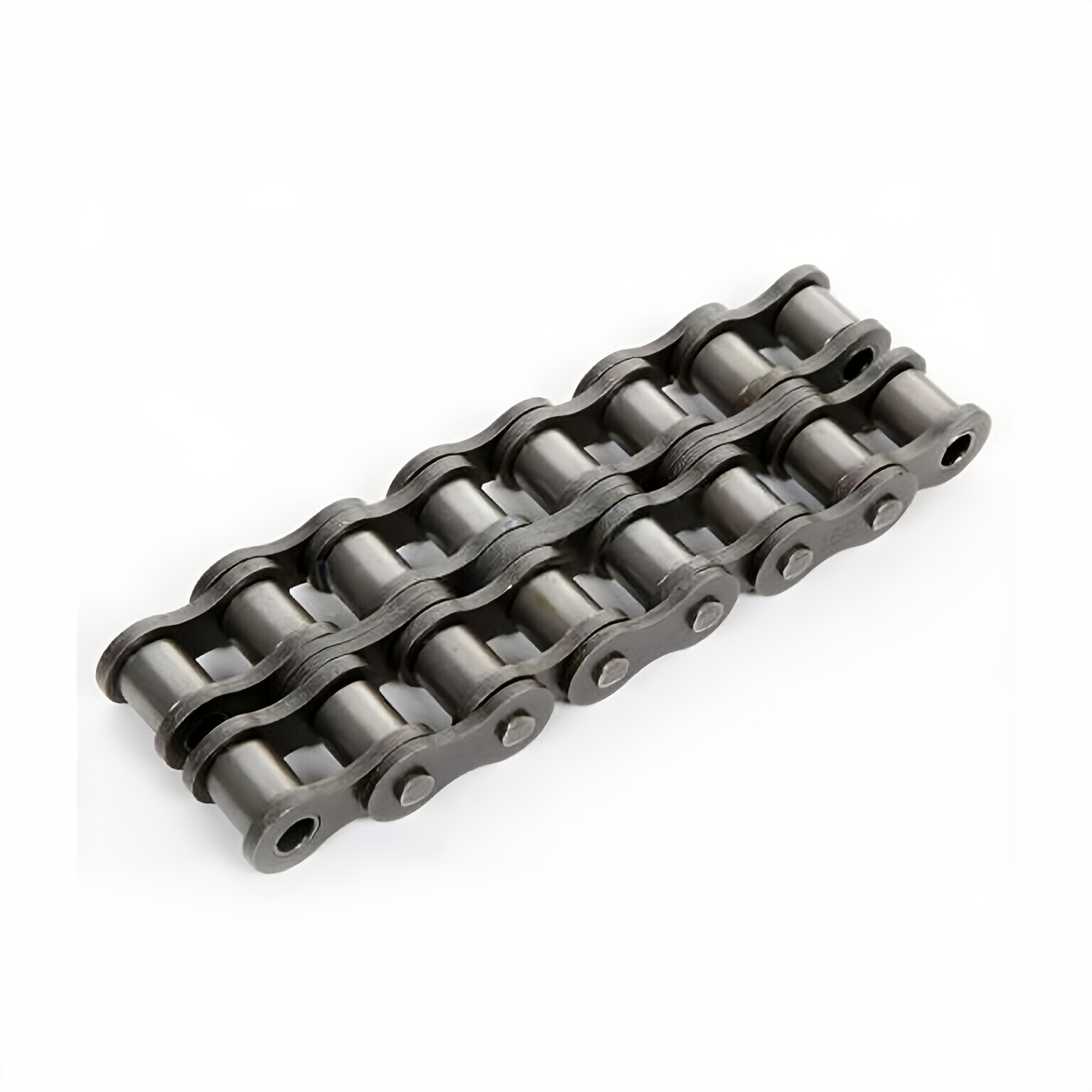
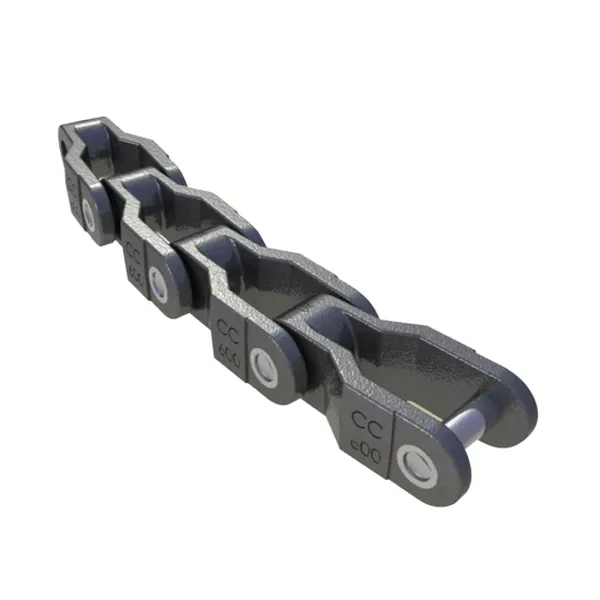
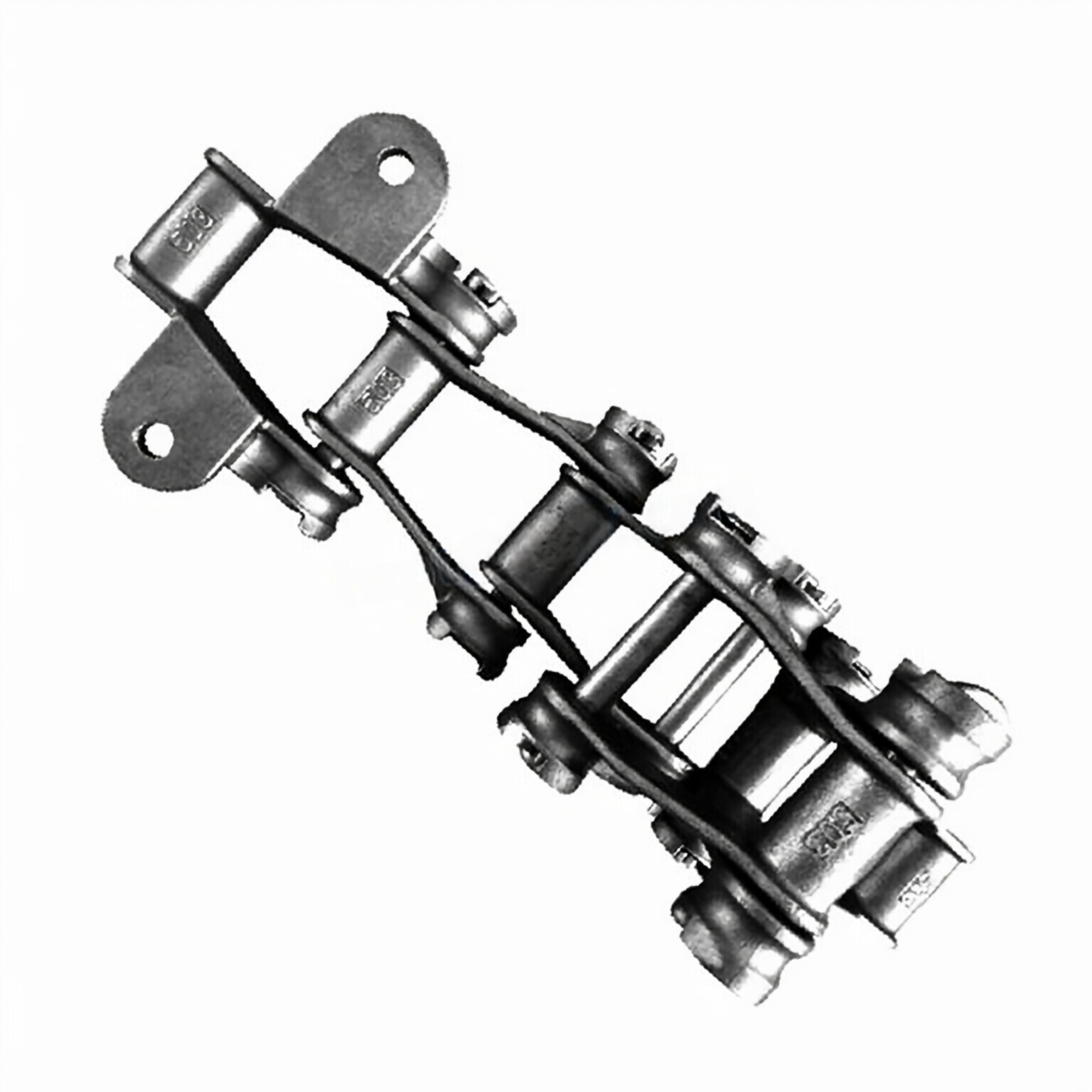
In addition to plastic conveyor chains, we also provide other chain products such as plastic chain, stainless steel chain, agricultural chains, leaf chains, etc. to meet different customer needs.
About Raydafon
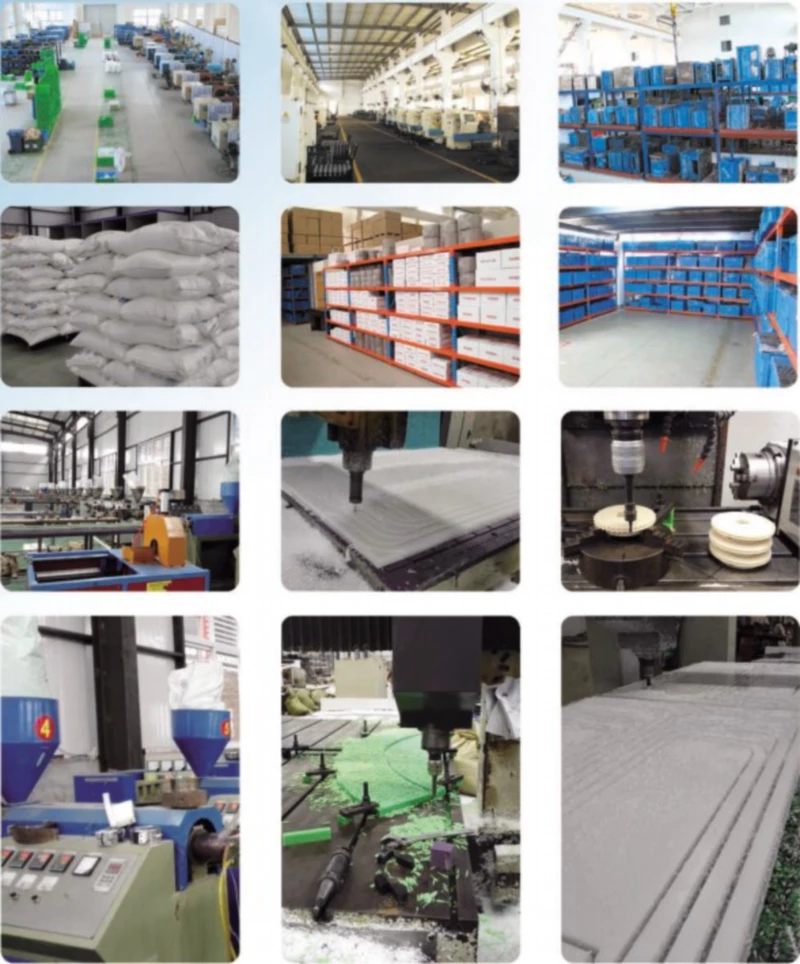
Raydafon was established in 2003 as a professional manufacturer of power transmission products. We have multiple advanced production and inspection equipment such as CNC Gear grinding machine, gear measuring machine, cnc gear shaper, machine center, CMMS, Torque test system, etc. We pride ourselves on our professionalism, international certifications, customized services, production equipment, and after-sales services. We welcome all customers to inquire or customize products with us.
FAQ (Frequently Asked Questions)
1. What is the maximum load capacity of plastic conveyor chains?
The maximum load capacity of plastic conveyor chains varies depending on the specific chain model and application environment. It is important to consult with the manufacturer or supplier to ensure that the selected chain can meet the load requirements of the application.
2. Can plastic conveyor chains be used in high-temperature environments?
Plastic conveyor chains are generally not suitable for use in high-temperature environments because they can soften or deform under high temperatures. However, special high-temperature resistant plastic materials can be used to customize chains for high-temperature environments.
3. How do I select the appropriate sprocket for plastic conveyor chains?
The appropriate sprocket for plastic conveyor chains should be selected based on the pitch, tooth number, and bore diameter. It is important to ensure that the selected sprocket is compatible with the chain model and can provide smooth and efficient operation.
4. What is the difference between straight running and sideflexing plastic conveyor chains?
Straight running plastic conveyor chains are designed for straight-line travel and are suitable for long-distance and high-speed transportation. Sideflexing plastic conveyor chains are designed for curved transportation and can be used to form curved conveyor systems with a small curve radius. They can be used in combination to form complex conveyor systems.
5. Can plastic conveyor chains be used in corrosive environments?
Plastic conveyor chains are suitable for use in corrosive environments due to their high corrosion resistance. However, it is important to select the appropriate plastic material based on the specific corrosive environment to ensure that the chain can withstand the chemical corrosion and reduce wear.
We use cookies to offer you a better browsing experience, analyze site traffic and personalize content. By using this site, you agree to our use of cookies.Privacy Policy



 Raydafon