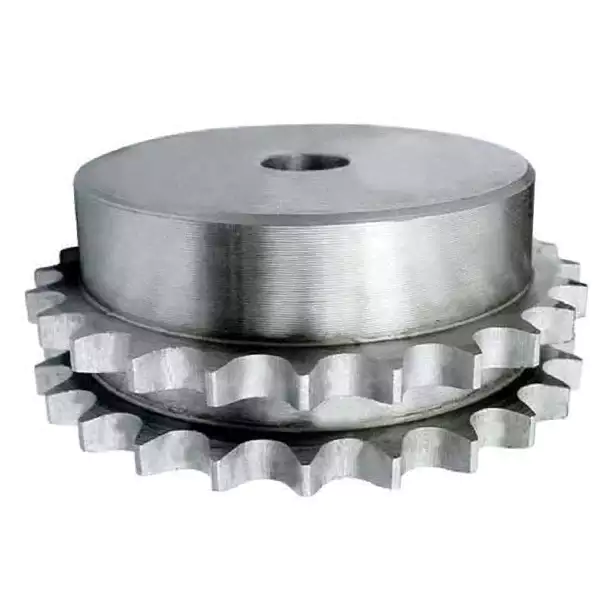
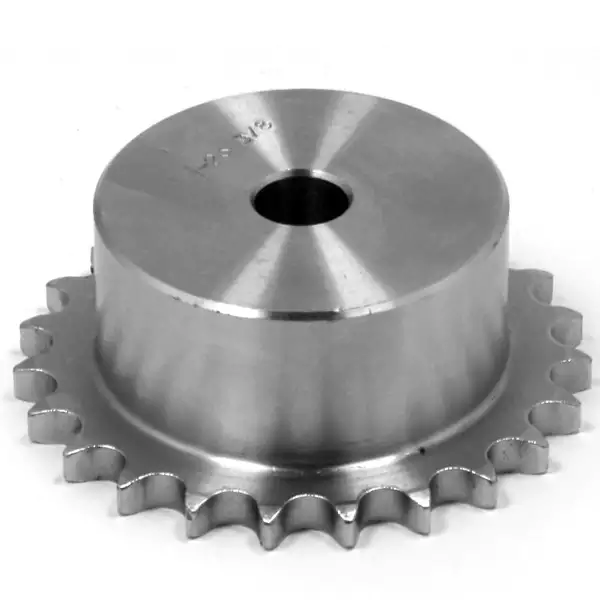
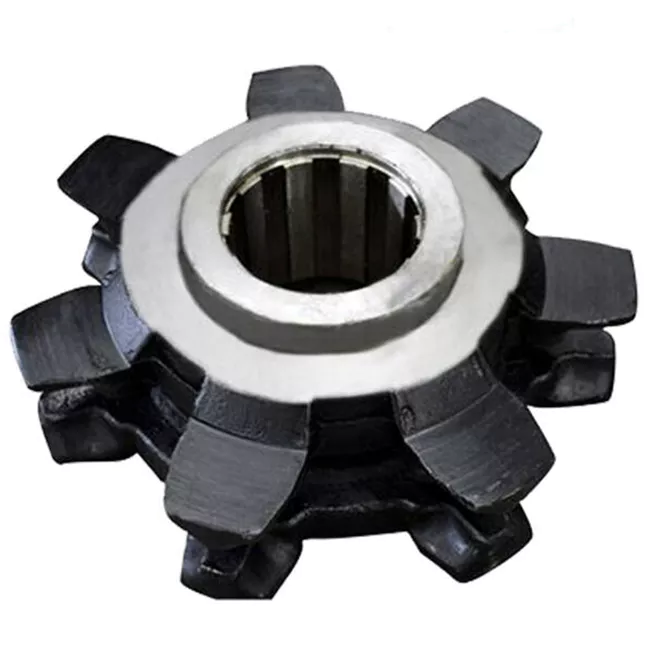
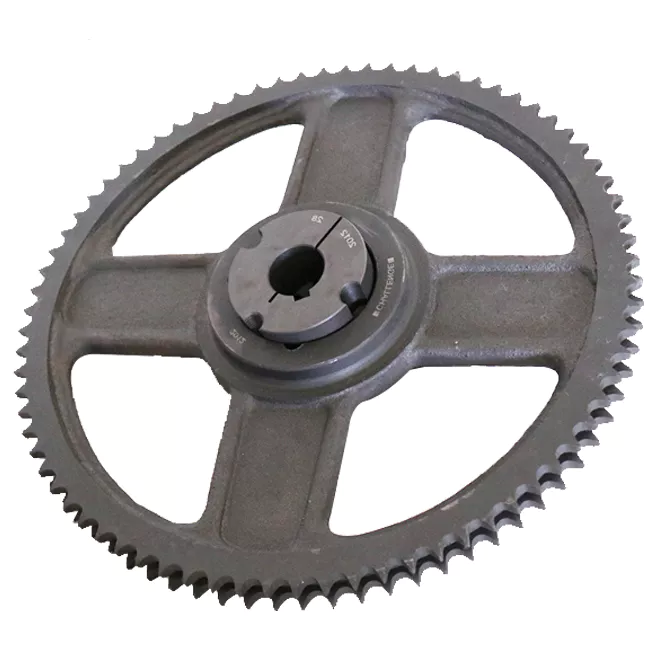
Raydafon Group's No.140-2 Standard Bore Sprocket is a robust and reliable component designed for seamless transmission in industrial machinery, offering superior durability with high-grade materials. Ideal for mechanics and manufacturers, it ensures smooth operation, reduces downtime, and enhances efficiency. Stand out with its precision engineering and long-lasting performance. Experience unwavering reliability in demanding applications.
A standard bore sprocket is a key component in power transmission systems. It is used to transfer rotational motion between two shafts by means of a roller chain. The No.140-2 Standard Bore Sprocket is a specific type of sprocket with a bore diameter of 140-2 inches.To choose the right standard bore sprocket, various factors need to be considered. These include material selection, tooth profile, number of teeth, dimensions, center bore, keyway, and surface treatment. Each of these factors plays a crucial role in the performance and durability of the sprocket.
Structure and Customization of Sprocket
The basic structure of a standard bore sprocket consists of a hub, teeth, and a bore. The hub connects the sprocket to the shaft, while the teeth engage with the chain. The bore provides a mounting point for the sprocket.When customizing a standard bore sprocket, the following aspects need to be determined:1. Material: Standard bore sprockets can be made from high carbon steel, alloy steel, or stainless steel. The choice of material depends on the application requirements and environmental conditions.2. Tooth profile: The tooth profile affects the smooth engagement and operation of the sprocket and chain. It is important to select the appropriate tooth profile based on the specific application.3. Number of teeth: The number of teeth determines the speed ratio between the driving and driven shafts. It is crucial to select the right number of teeth to achieve the desired speed and torque transmission.4. Dimensions: The dimensions of the sprocket, including outside diameter, pitch diameter, and width, need to be determined based on the specific application requirements.5. Center bore: The center bore should match the diameter of the shaft on which the sprocket will be mounted. It ensures proper alignment and secure attachment.6. Keyway: If required, a keyway can be added to the center bore to prevent the sprocket from rotating on the shaft.7. Surface treatment: To enhance the durability and corrosion resistance of the sprocket, various surface treatments such as heat treatment, quenching and tempering, surface hardening, and rust prevention coating can be applied.
Materials and Manufacturing Process
Our sprockets are manufactured using high-quality materials and advanced manufacturing processes. Depending on the specific requirements, we use high carbon steel, alloy steel, or stainless steel to ensure strength and durability. The manufacturing process involves material selection, cutting, stamping/forging, machining (turning, milling, drilling), heat treatment (quenching, tempering), surface hardening, surface treatment (rust prevention), and quality inspection.
Applications
Standard bore sprockets find applications in various industries and systems, including but not limited to:1. Heavy machinery and equipment: Standard bore sprockets are widely used in heavy machinery such as construction equipment, agricultural machinery, and mining equipment.2. Food processing and packaging: Sprockets play a crucial role in conveyor systems used in the food industry for processing and packaging applications.3. Chemical and pharmaceutical: Standard bore sprockets are utilized in chemical and pharmaceutical manufacturing processes for reliable and efficient material handling.4. Assembly lines: Sprockets are integral components in assembly line systems, facilitating the movement and positioning of products during the manufacturing process.5. Logistics and warehousing: Sprockets are employed in conveyor systems for material transportation in logistics and warehousing operations.
Maintenance and Troubleshooting
To ensure the optimal performance and longevity of a standard bore sprocket, regular maintenance and proper troubleshooting are essential.Maintenance practices include:1. Daily inspection: Regularly check the sprocket for signs of wear, damage, or misalignment.2. Cleaning: Remove any dirt, debris, or grease buildup from the sprocket and chain to prevent premature wear and damage.3. Lubrication: Apply appropriate lubricants to reduce friction and wear between the sprocket and chain.4. Adjustment and calibration: Periodically check the tension and alignment of the chain to ensure smooth operation and prevent premature wear.Common problems with sprockets include:1. Skipping teeth: This can occur due to improper chain tension or worn-out teeth. Adjusting the chain tension or replacing the sprocket can resolve the issue.2. Fracture: Excessive load or stress can lead to sprocket fracture. Regular inspection and proper material selection can help prevent this problem.3. Wear: Continuous operation can cause wear on the sprocket teeth. Regular maintenance and lubrication can minimize wear and extend the sprocket's lifespan.4. Excessive noise: Misalignment or worn-out components can result in excessive noise during operation. Adjusting the alignment or replacing worn parts can solve this problem.5. Chain derailing: Improper tension or worn-out sprocket teeth can cause the chain to come off the sprocket. Adjusting the tension or replacing the sprocket can prevent chain derailing.
Other Types of Sprockets
In addition to the No.140-2 Standard Bore Sprocket, we also offer a wide range of other sprockets, including platewheel sprockets, idler sprockets, qd sprockets, taper lock sprockets, and more. These sprockets cater to different applications and requirements. We also provide matching chains for these sprockets, ensuring a complete power transmission solution.Author: Miya
Hot Tags: Standard Bore Sprocket Manufacturer, No.140-2 Sprocket Supplier, Industrial Sprocket Wholesale
We use cookies to offer you a better browsing experience, analyze site traffic and personalize content. By using this site, you agree to our use of cookies.Privacy Policy


 Raydafon