
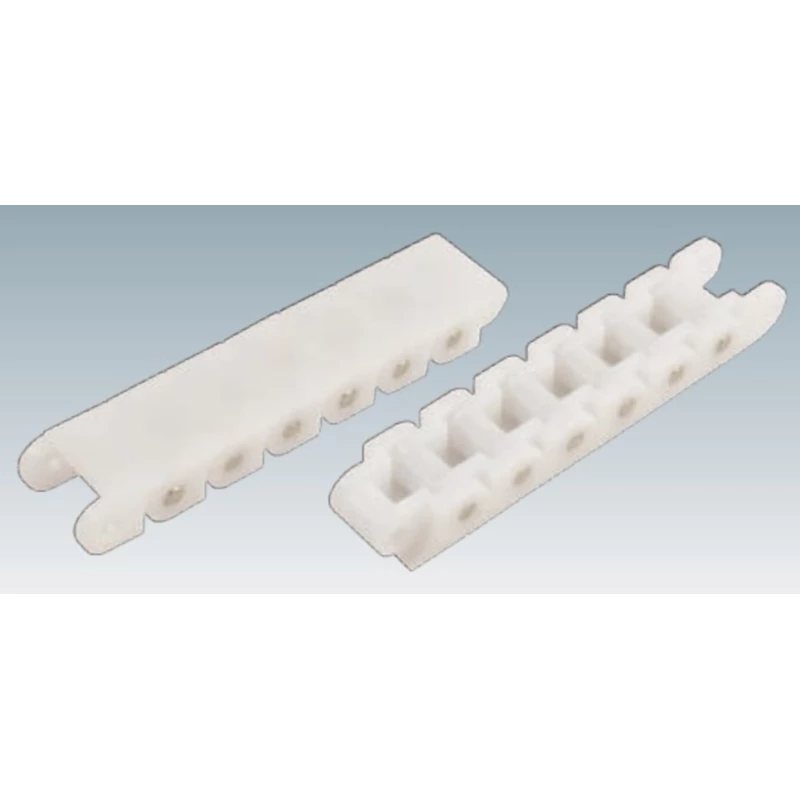
Plastic conveyor chains are specialized chains made from engineering plastics such as polyethylene (PE), polypropylene (PP), acetal (POM), or polyamide (PA). They are designed specifically for use in conveyor systems, where they facilitate the movement of materials or products along a production line.
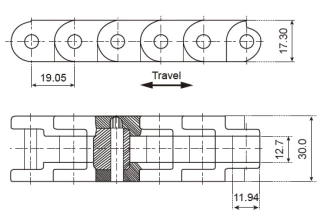
Plastic conveyor chains offer several advantages over traditional metal chains. They are lightweight, corrosion-resistant, and have low friction characteristics, resulting in smoother operation, reduced energy consumption, and less wear on components. They are also resistant to chemicals and can withstand wet or humid environments.
There are several types of plastic conveyor chains available, each designed for specific applications:
These chains have a flat surface with raised edges, allowing them to transport products on a flat or inclined conveyor surface. They are commonly used in industries such as food and beverage, packaging, and pharmaceuticals.
Modular chains consist of individual modules or links that can be easily replaced, reconfigured, or extended. They offer flexibility in design and maintenance, making them suitable for applications where frequent modifications or repairs are required.
Side-flexing chains are designed to navigate curved conveyor paths, allowing for smooth product flow around corners or bends. They are commonly used in industries such as bottling, packaging, and automotive assembly.
Magnetic chains incorporate magnets into their design, enabling them to be used in applications where magnetic properties are required. They are used in magnetic conveyors or separation systems for handling ferrous materials.

Plastic conveyor chains have found wide applications in various industries such as:
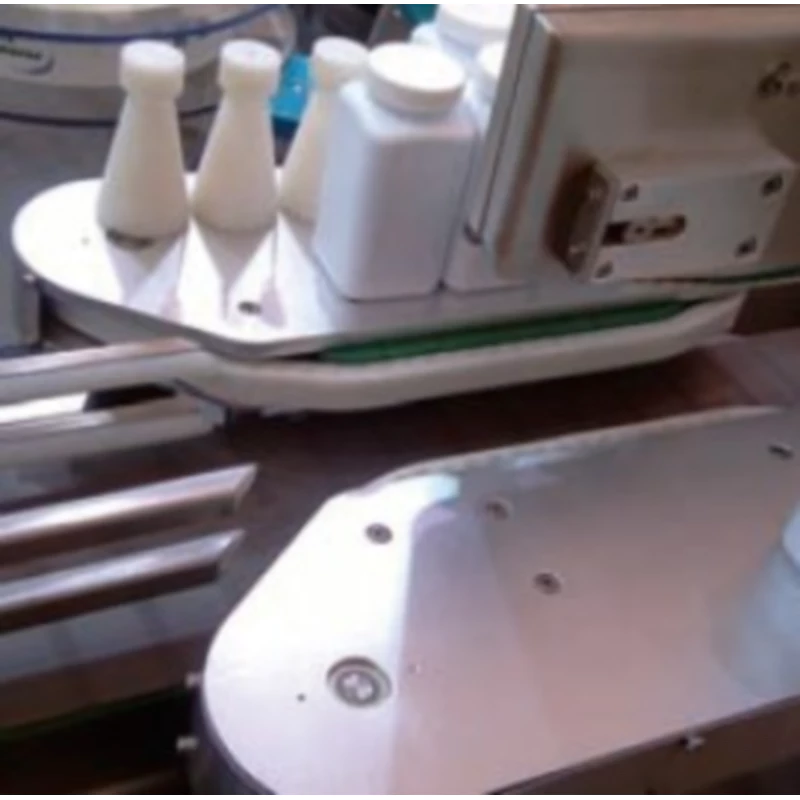
When selecting plastic conveyor chains, it is important to consider factors such as load capacity, speed requirements, operating environment, and specific application needs. Manufacturers provide specifications and guidelines for their chains, including load ratings, temperature limits, and recommended maintenance procedures.
Proper installation and maintenance of plastic conveyor chains are essential to ensure their optimal performance and longevity. This includes proper alignment of sprockets, tensioning of the chains, regular inspection for wear or damage, and cleaning to remove debris or contaminants.
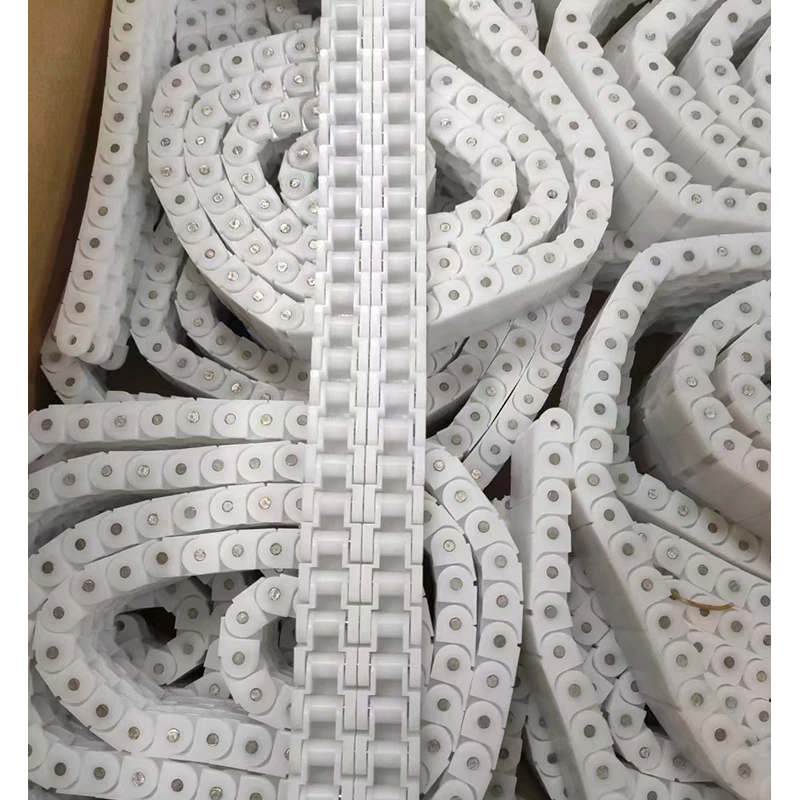
Some of the possible problems that may arise when using plastic conveyor chains include:
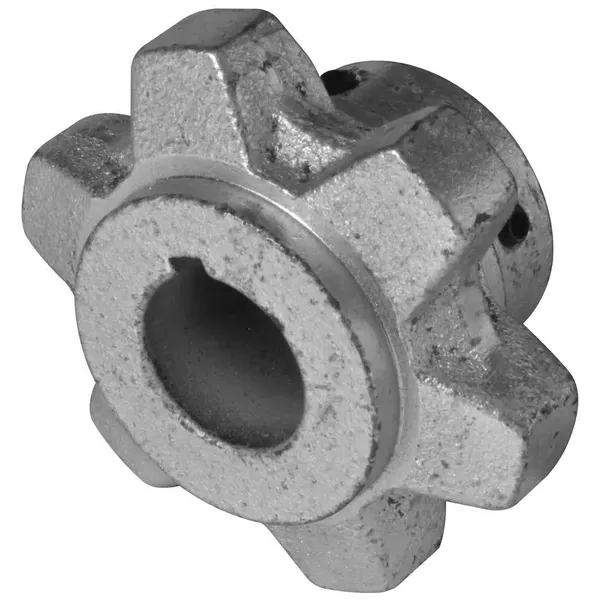
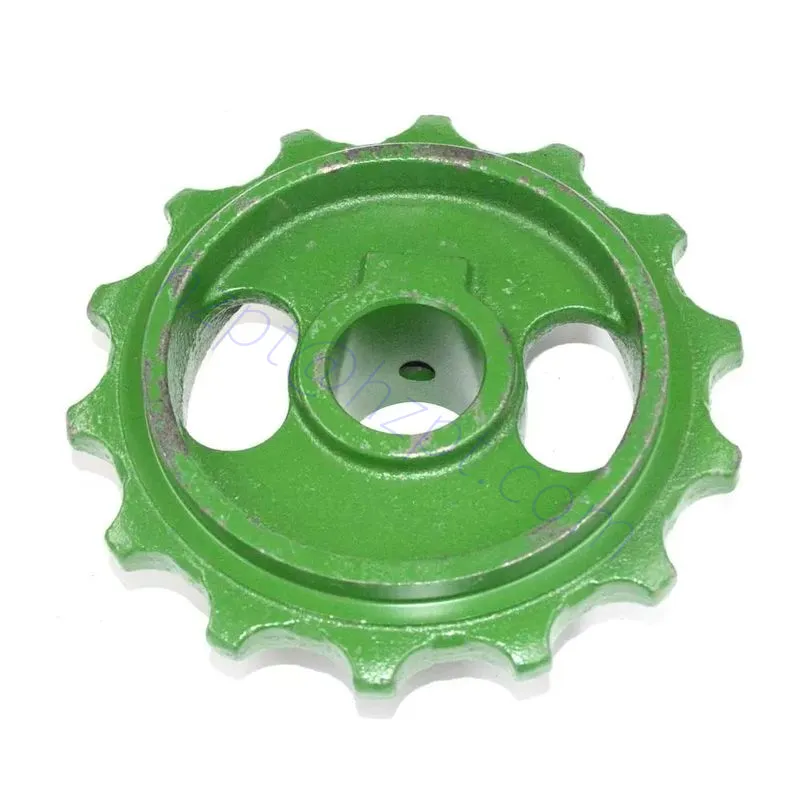
Plastic conveyor chains and sprockets have an important relationship, as the sprocket teeth mesh with the chain links to facilitate movement along the conveyor system. Raydafon offers a range of plastic sprockets that are compatible with their plastic conveyor chains.
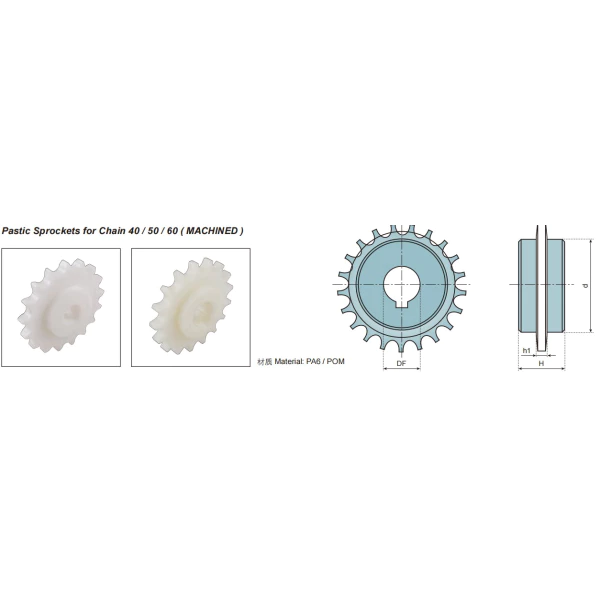
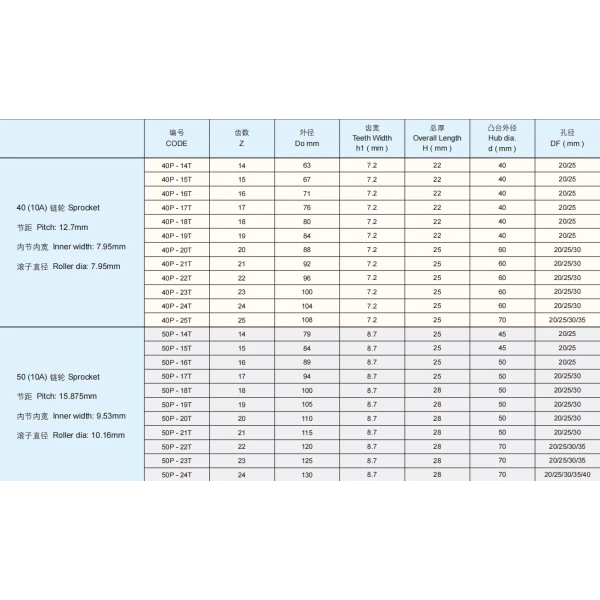
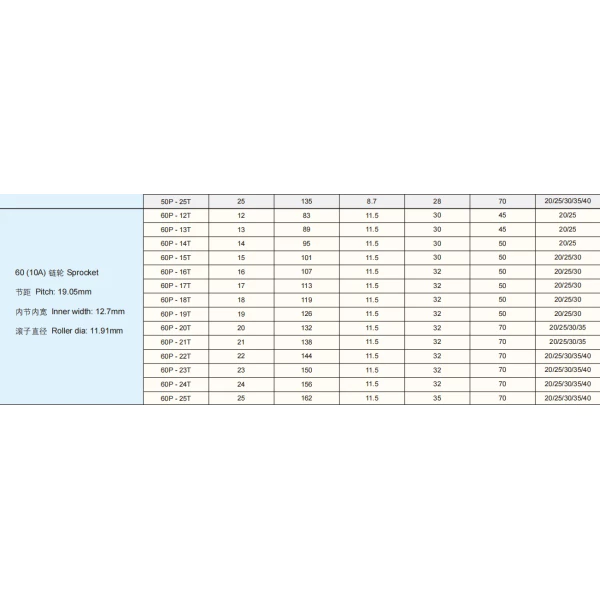
Raydafon was established in 2006 as a professional transmission parts company. They produce various conveying equipment and accessories, including plastic conveyor chains and sprockets. Raydafon's products are widely used in various industries such as food and beverage processing, aquatic product processing, pharmaceuticals, packaging, and electronics.
Address
Luotuo Industrial Area, Zhenhai District, Ningbo City, China
Tel

 Raydafon