
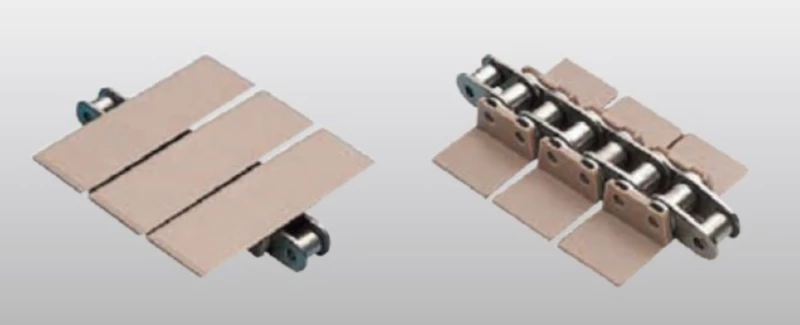
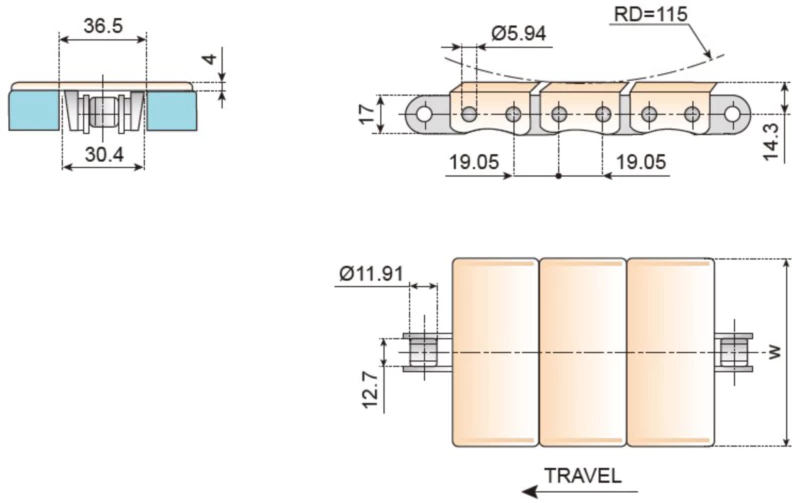
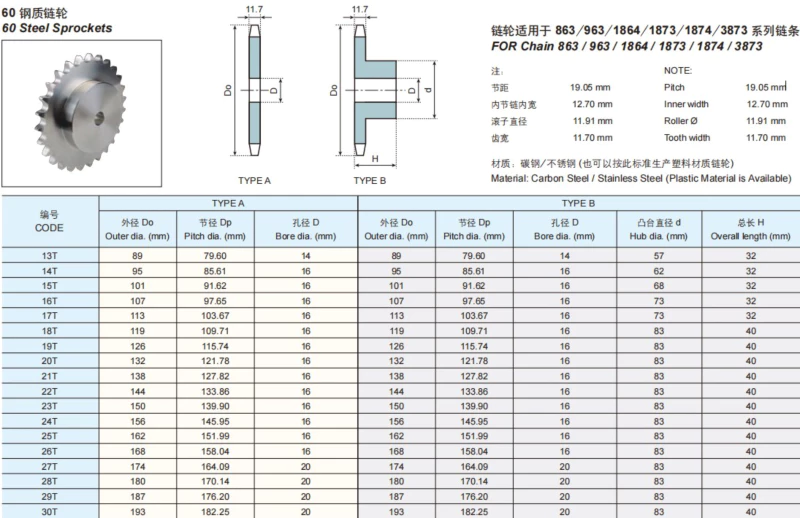
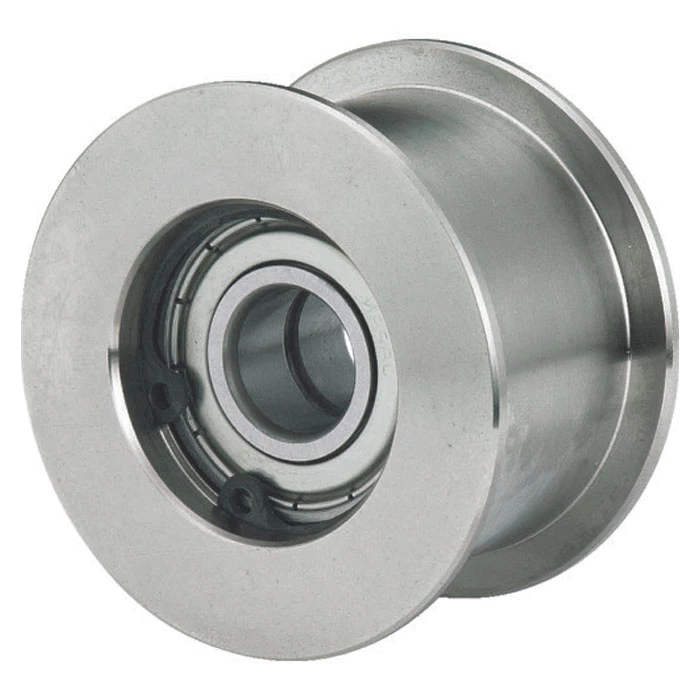
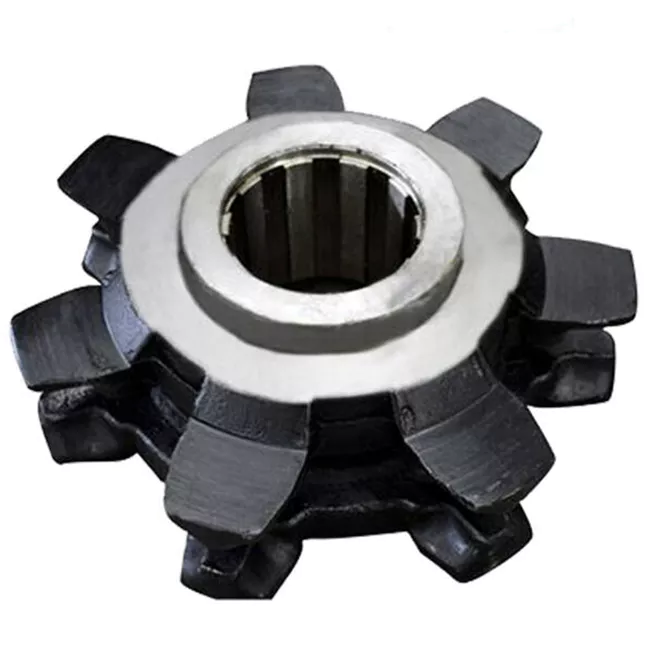
 Features and Benefits:- Lightweight and High Strength: Plastic Conveyor Chains are typically made of high-strength engineering plastics, which are lightweight and able to withstand large loads. This makes them a reliable conveyor chain option suitable for applications that handle light loads.- Corrosion Resistant and Wear Resistant: Plastic Conveyor Chains have excellent corrosion resistance and can tolerate high levels of water, chemicals, and other corrosive media. Moreover, they also have good wear resistance, which allows them to maintain their performance and lifespan over long periods of use.- Low Noise and Shock Absorption: Compared to metal chains, Plastic Conveyor Chains produce lower noise during operation and can reduce vibration and shock. This makes them very suitable for use in environments that require quiet and smooth operation, such as the food processing and packaging industry.- Self-Lubricating: Plastic Conveyor Chains typically have self-lubricating properties, eliminating the need for additional lubricants. This simplifies the maintenance process and reduces the risk of lubricants contaminating the product.- Flexible Applications: Straight running Plastic Conveyor Chains can be applied to various straight-line conveyor systems, including production lines, logistics, and sorting systems. They can effectively transport items from one location to another and play a role in various applications across different industries.Applications:- Production Line Conveying: Plastic Conveyor Chains are commonly used in various production lines to transport products from one workstation to another. They can carry various types and weights of products, such as packaging boxes, bottles, cans, and parts.- Food Processing and Packaging: Due to their corrosion resistance, wear resistance, and ease of cleaning, Plastic Conveyor Chains are very popular in the food processing and packaging industry. They can be used to transport food, bottles, packaging materials, and more.- Logistics and Warehousing: Plastic Conveyor Chains are widely used in logistics and warehousing industries to transfer goods from one area to another. They can be used for material handling, sorting systems, loading and unloading stations, and more.- Chemical and Pharmaceutical: Due to their good resistance to chemicals and drugs, Plastic Conveyor Chains are commonly used in conveying systems within the chemical and pharmaceutical industries. They can carry chemical containers, drug bottles, test tubes, and more.- Mechanical Manufacturing and Assembly: Plastic Conveyor Chains are also used in the mechanical manufacturing and assembly process. They can be used to transport parts from one workstation to another to support automated production processes.Customization Options:- Application Requirements: Ensure that you communicate your specific application requirements, including environmental conditions, load requirements, curve radius, speed requirements, etc. with the manufacturer or supplier. This will help the manufacturer provide you with a customized chain solution.- Material Selection: Select appropriate plastic materials based on the application environment requirements, to ensure wear resistance, corrosion resistance, and resistance to chemical solvents. Different plastic materials have different characteristics, such as polyethylene, polyamide, polypropylene, etc.- Size and Construction: Determine the size and construction of the chain based on the equipment layout and curve conveying requirements. This includes chain width, roller diameter, chain link shape, etc. Ensure that the customized chain is fully compatible with the equipment and meets the requirements of curve conveying.Installation:- Clean Work Area: Ensure that the work area is clean and free of any obstacles to facilitate the installation process.- Prepare Tools and Materials: Prepare the necessary tools, such as wrenches, screwdrivers, as well as bolts and nuts required for installing the chain.- Install the Chain: Install the chain correctly on the conveyor equipment according to the manufacturer's installation guidelines. Ensure proper positioning and fastening of the chain to ensure normal operation.- Adjust and Test: After installation, adjust and test the chain. Ensure that the chain is not overly loose or tight during operation and test its normal operation and lateral bending ability.Maintenance:- Regular Cleaning: Regularly clean the chain and rollers to remove accumulated dirt and debris. Use cleaning agents and brushes to clean and ensure that the chain surface is clean and smooth.- Lubrication: Regularly lubricate the chain and rollers according to the manufacturer's recommendations. Use appropriate lubricants to ensure smooth operation during chain operation and reduce wear.- Inspection and Part Replacement: Regularly check the wear and damage levels of the chain, rollers, and other parts. If any damage or wear is found, replace it in a timely manner.- Adjustment and Calibration: Regularly check the tension and lateral bending ability of the chain and perform necessary adjustments and calibrations.- Follow Manufacturer Guidelines: Always follow the manufacturer's maintenance guidelines and recommendations. For customized chains, the manufacturer may provide specific maintenance requirements and precautions.Sprockets:We offer a range of sprockets that are compatible with Plastic Conveyor Chains, as seen in the images below. Sprockets are an important component in the chain and sprocket system, which provides power to the chain and ensures smooth operation.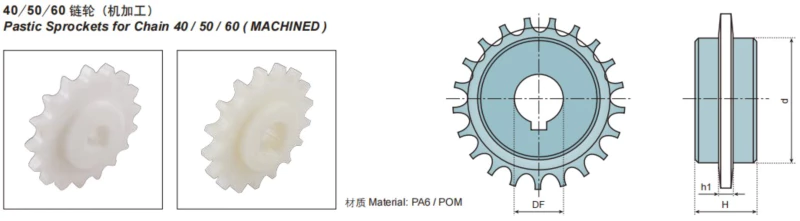
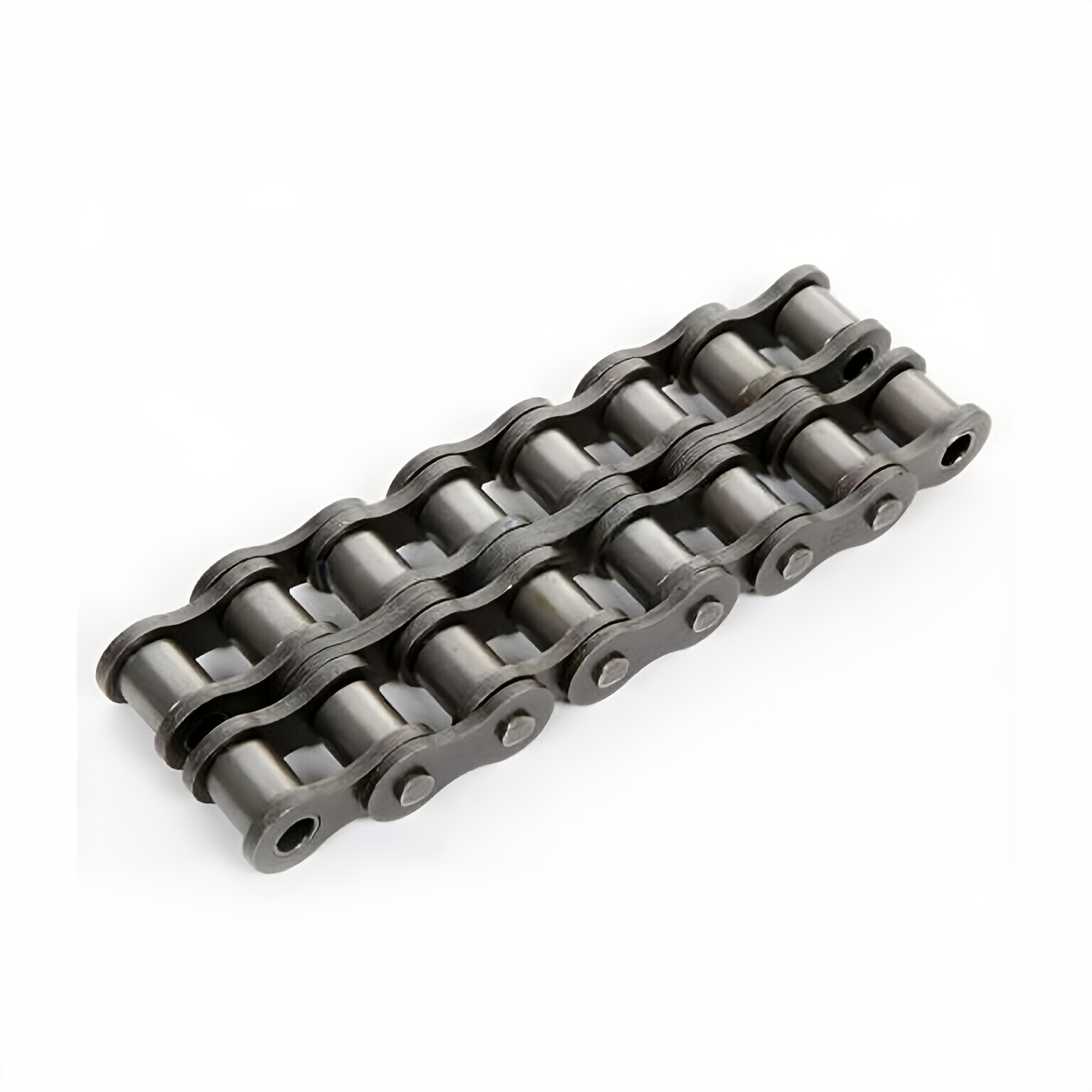
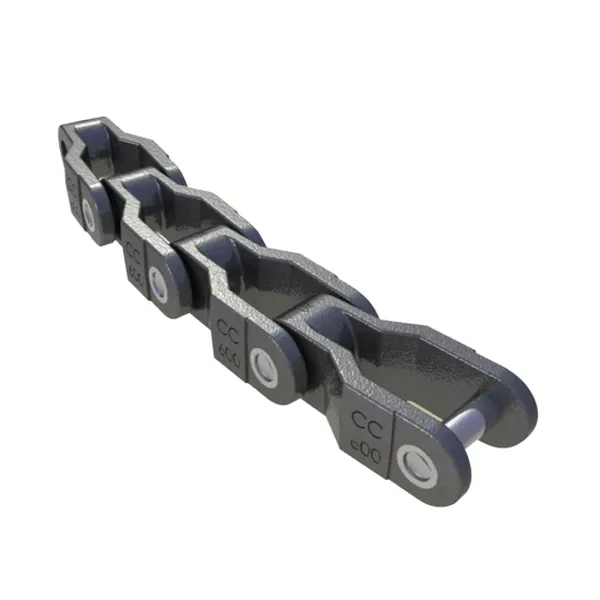
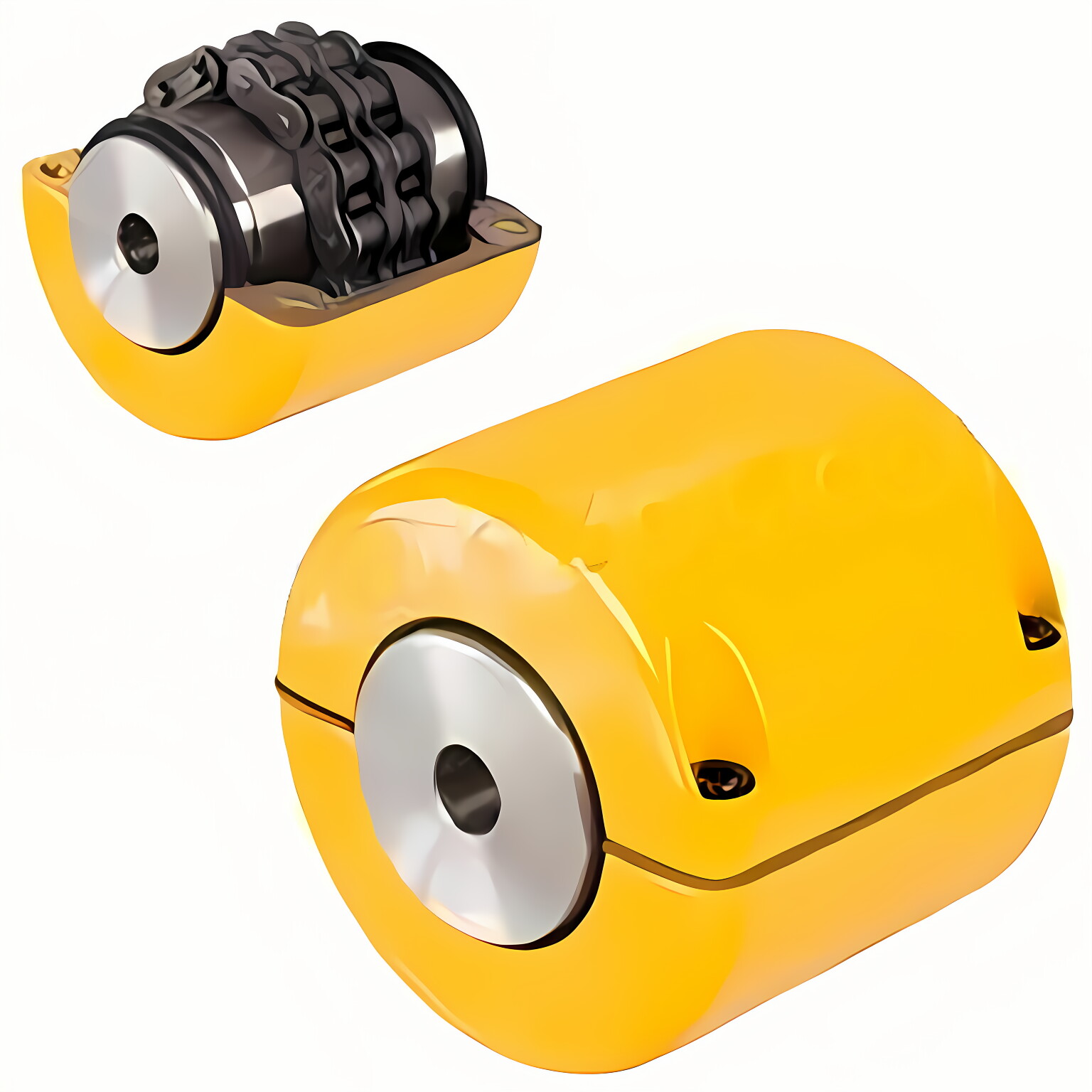
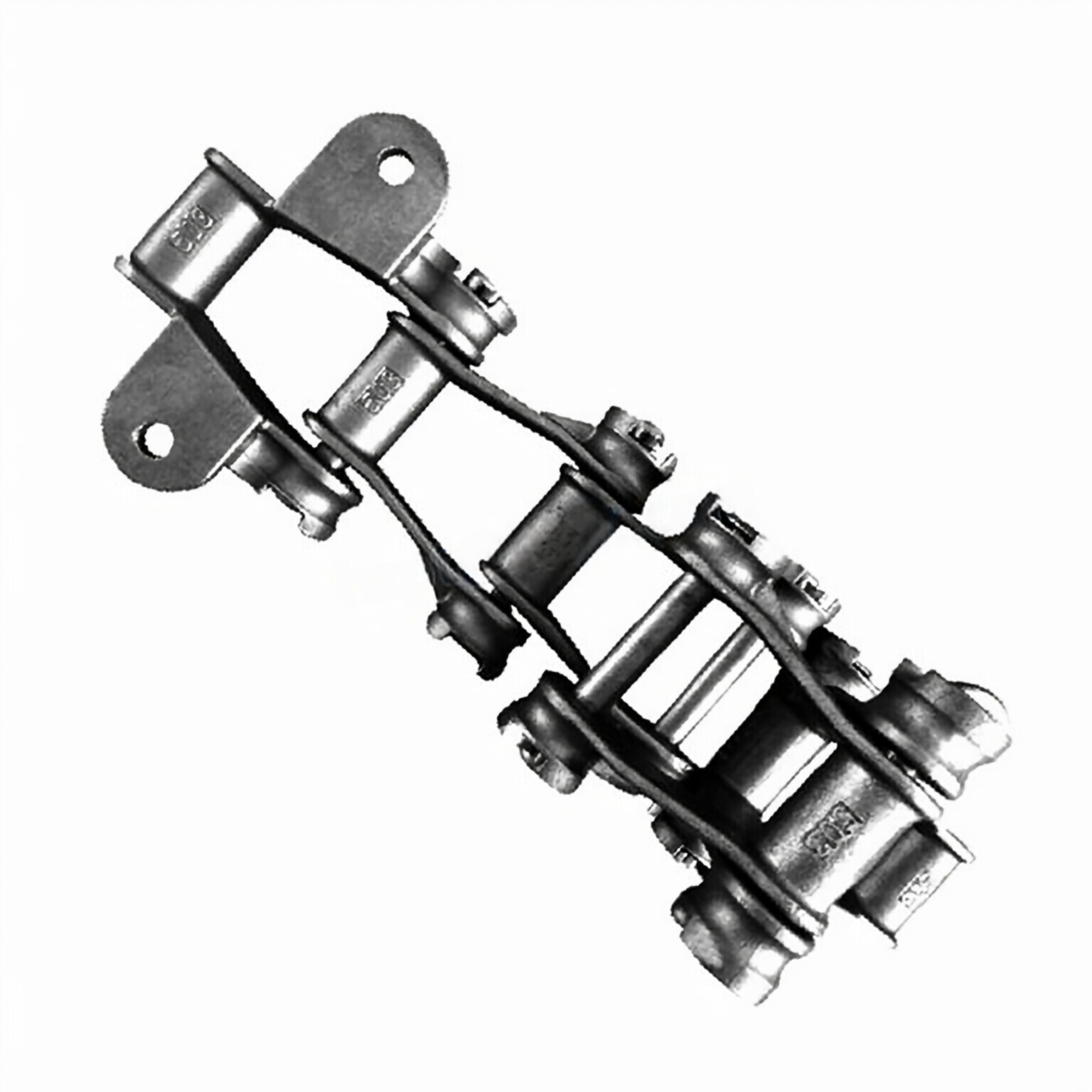
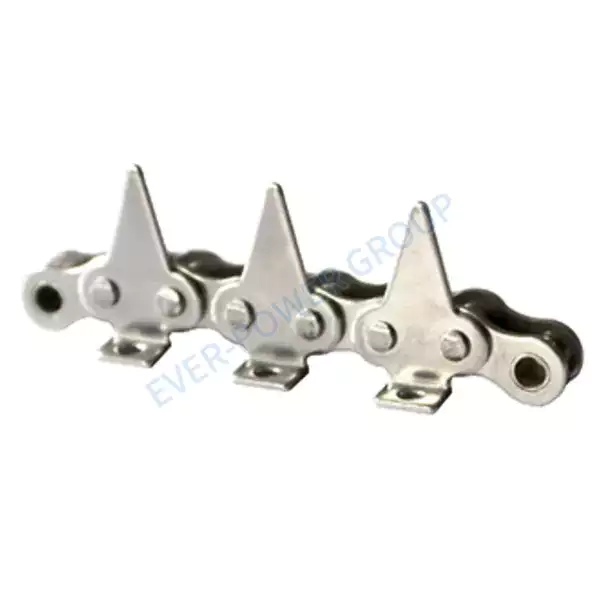
 Other Chain Products:In addition to Plastic Conveyor Chains, we also offer other chain products, such as Plastic Chain, Stainless Steel Chain, Agricultural Chains, Leaf Chains, and more. Raydafon Company:Raydafon was established in 2003 and is a professional transmission parts company. We have multiple advanced production and inspection equipment, including CNC Gear grinding machines, gear measuring machines, CNC gear shapers, machine centers, CMMS, torque test systems, and more. We pride ourselves on our professionalism, international certifications, customized services, production equipment, and after-sales service. Raydafon welcomes all customers to inquire or customize products.FAQs:1. What is the difference between plastic conveyor chains and metal conveyor chains?Plastic conveyor chains are made of plastic material, while metal conveyor chains are made of metal. Plastic conveyor chains are lighter, have better corrosion resistance, and produce less noise during operation. Metal conveyor chains are stronger and more durable, but may be more expensive.2. Are plastic conveyor chains suitable for heavy loads?Plastic conveyor chains are generally suitable for light loads, but their load capacity can vary depending on the specific plastic material used and the chain design. It is important to communicate your load requirements with the manufacturer to ensure a customized chain solution is provided.3. Can plastic conveyor chains be used in wet environments?Yes, plastic conveyor chains have good corrosion resistance and can tolerate high levels of water and other corrosive media. However, it is important to select the appropriate plastic material based on the specific application environment requirements.4. How often should I perform maintenance on plastic conveyor chains?Maintenance frequency depends on the specific application requirements and the manufacturer's recommendations. Regular cleaning and lubrication, as well as routine inspections and replacement of worn parts, are important for maintaining chain performance and lifespan.5. Can Raydafon provide customized solutions for plastic conveyor chains?Yes, Raydafon provides customized solutions for plastic conveyor chains based on specific application requirements, material selection, size and construction, and more. Our advanced production and inspection equipment ensure high-quality and reliable chain solutions are provided.
Address
Luotuo Industrial Area, Zhenhai District, Ningbo City, China
Tel

 Raydafon