
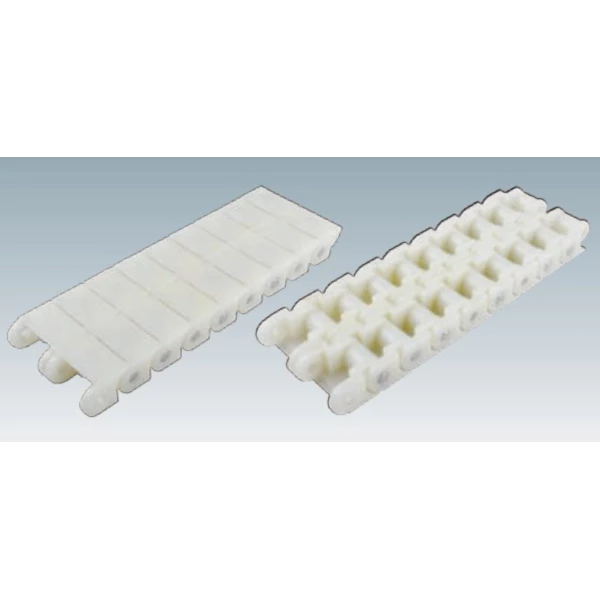
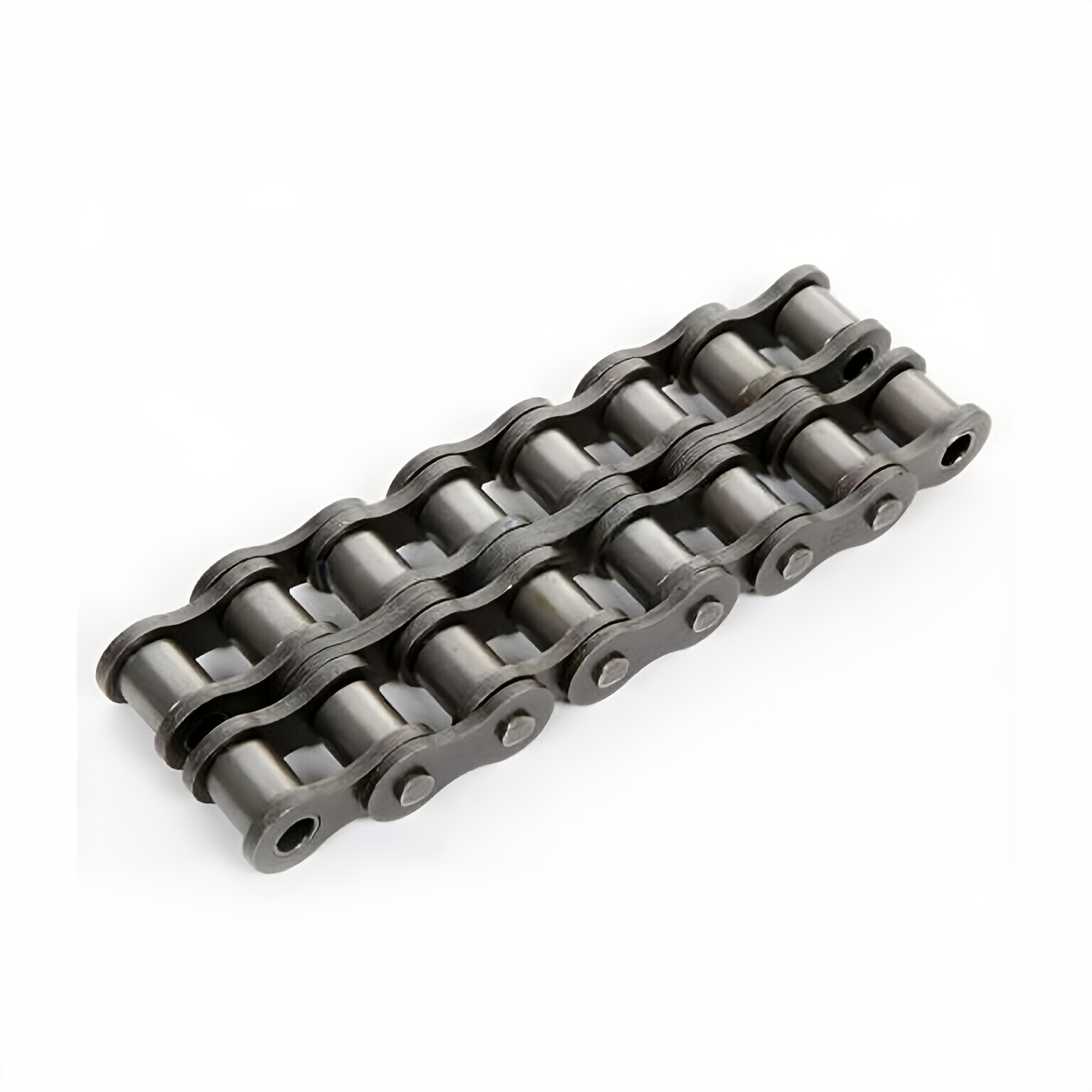
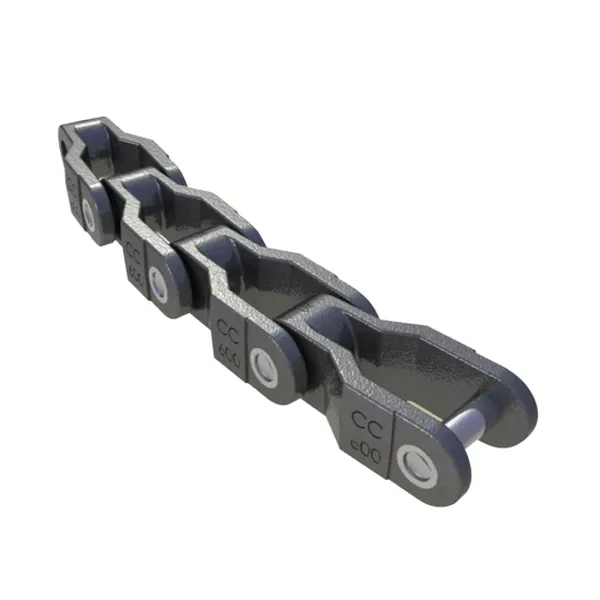
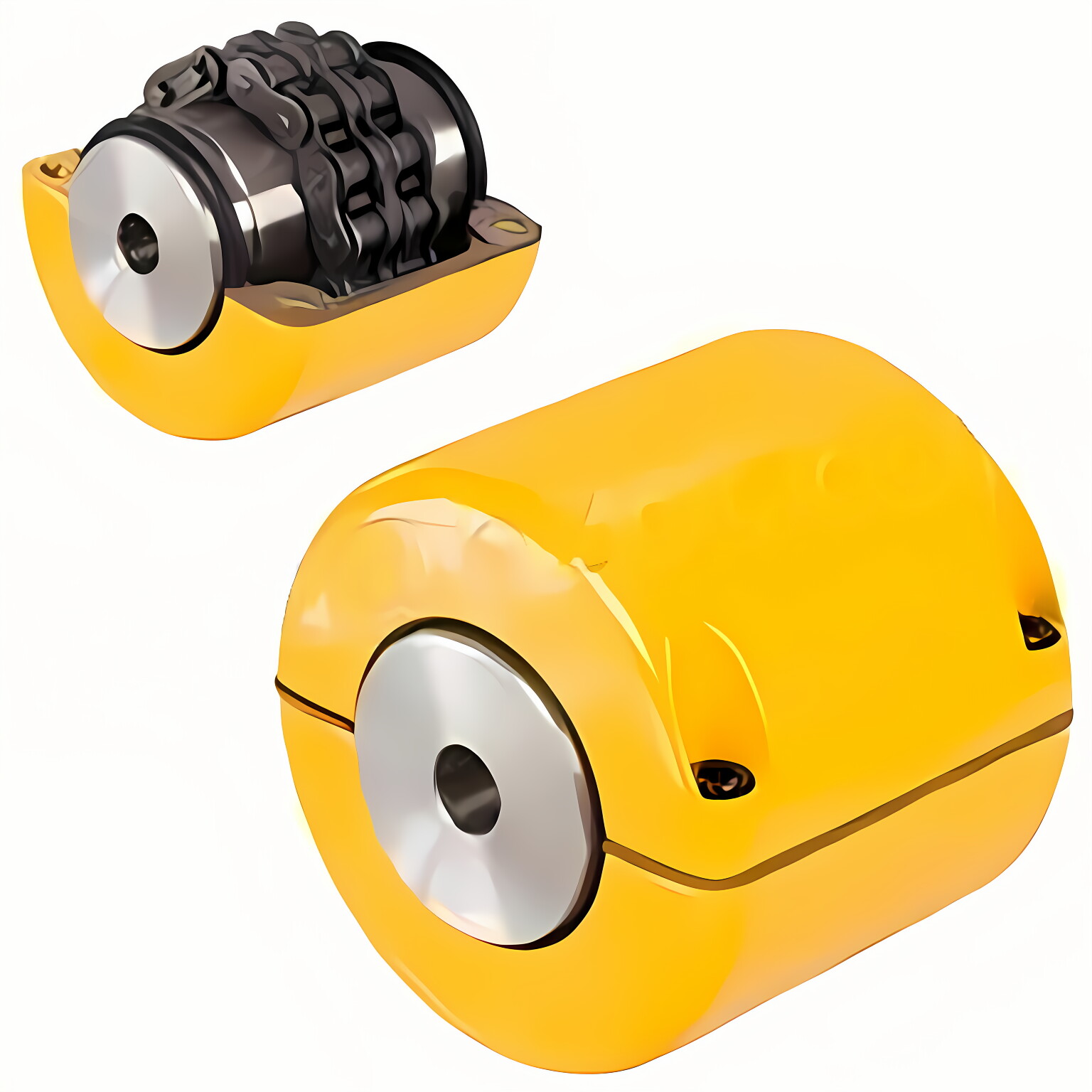
Plastic coupling chains are widely used in various industries for a range of applications. They serve as flexible and durable connectors that join different components together. These chains are typically made from lightweight and resilient plastic materials like nylon or polypropylene.
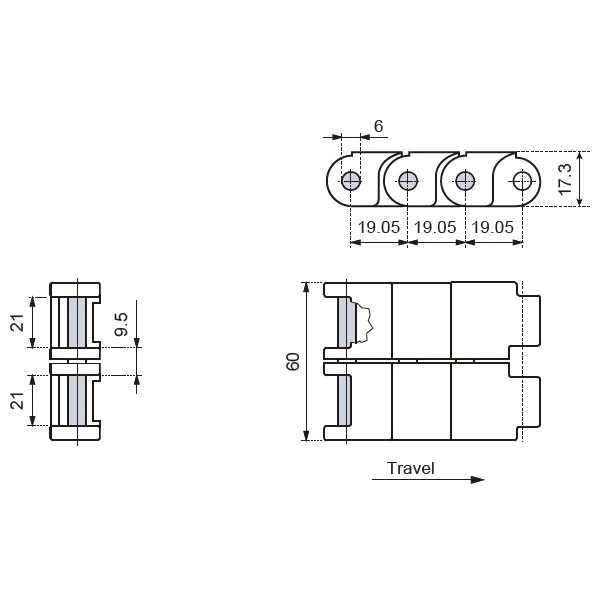
Plastic coupling chains are significantly lighter than their metal counterparts. This lightweight nature makes them easier to handle, transport, and install, reducing the overall weight of the equipment or structure they are used in.
Plastic coupling chains are highly resistant to corrosion, making them suitable for use in environments where exposure to moisture, chemicals, or other corrosive substances is common. They do not rust or degrade over time, ensuring their long-term functionality and reliability.
Plastic coupling chains exhibit excellent resistance to a wide range of chemicals, including acids, bases, solvents, and oils. This makes them suitable for applications in industries where chemical exposure is present, such as chemical manufacturing or laboratories.
Plastic coupling chains are generally more affordable than metal chains. Their production involves lower material and manufacturing costs, making them a cost-effective solution for various industrial applications. They offer a balance between performance and affordability.
While plastic coupling chains may not have the same load-bearing capacity as metal chains, they still offer sufficient strength for many industrial applications. They are durable and resilient, with the ability to withstand moderate loads, impacts, and vibrations.
Standard link chains are the most common type of plastic coupling chain. They are typically used in general-purpose applications where a flexible and durable connection is required.
Ball chains are similar to standard link chains, but they have small balls between the links that allow for smoother movement and reduced friction.
Cable chains are flexible chains that are used to protect and organize cables or hoses in industrial machinery and equipment.
Lanyard chains are lightweight chains that are used in applications where weight is a critical factor, such as in medical or aerospace equipment.
Decorative chains are used in applications where aesthetic appeal is important, such as in jewelry or fashion accessories.
Snap or quick-release chains are designed for applications where frequent connection and disconnection is required, such as in luggage or backpacks.
Cable tie chains are used to secure and organize cables or wires in industrial or home applications.
Plastic coupling chains are commonly employed in conveyor systems to transport goods or materials from one point to another. They can be used as a flexible and durable link between individual conveyor belts, allowing for smooth and continuous movement of products.
Plastic coupling chains are used in packaging and bottling industries to connect containers or bottles together. This helps to maintain product integrity during transportation and storage and prevents individual items from getting lost or separated.
Plastic coupling chains are utilized in automotive assembly lines to secure components during the production process. They can be used to connect various parts, such as wiring harnesses, hoses, or cables, ensuring they are properly routed and organized.
Plastic coupling chains are employed in machinery and equipment to connect moving parts or provide flexible linkages. They can be used in applications where vibration damping, noise reduction, or shock absorption is required.
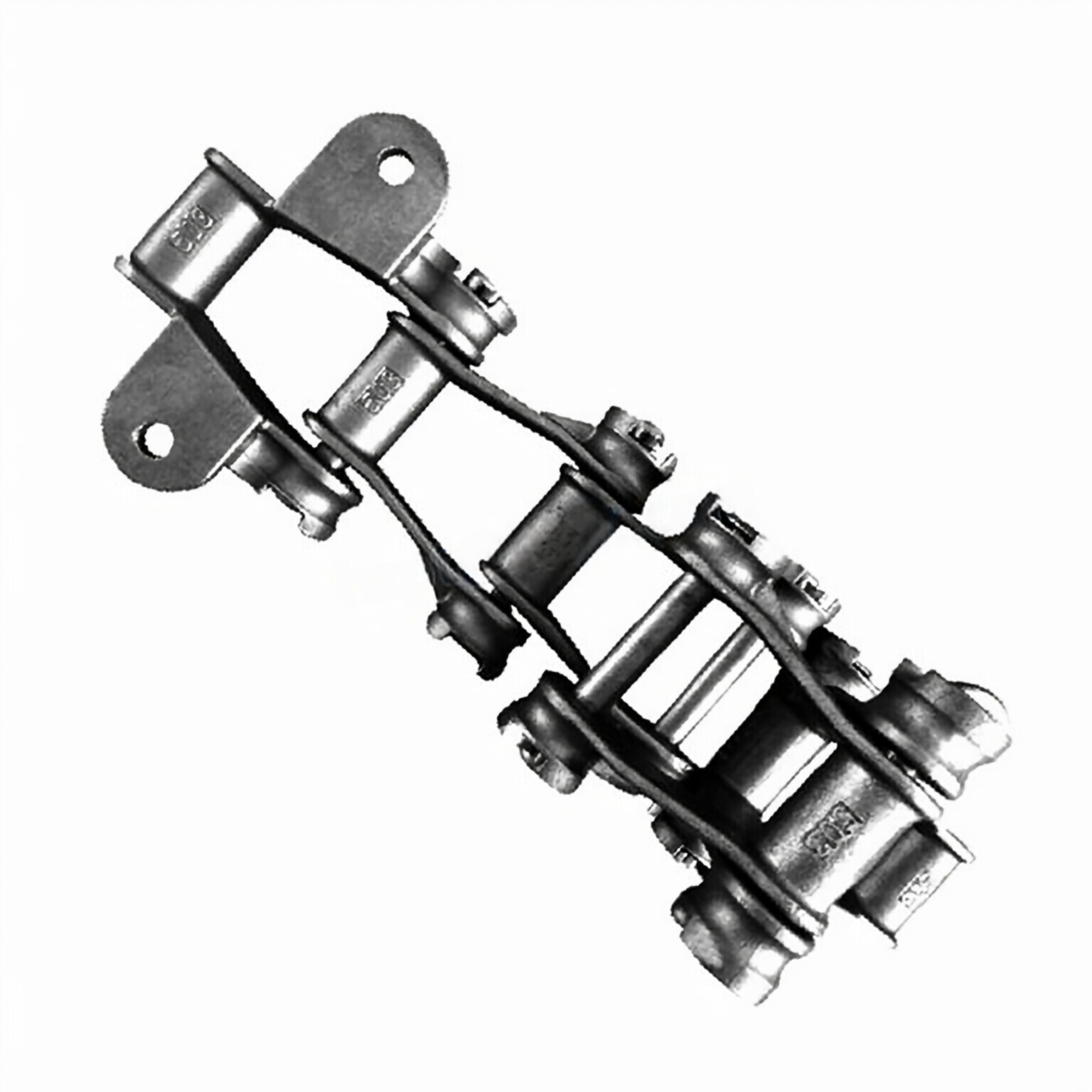
Plastic coupling chains are used in agricultural machinery, such as combine harvesters or grain conveyors, to connect different components and facilitate smooth operation in challenging outdoor environments.
Plastic coupling chains are employed in water treatment facilities to connect and suspend equipment, such as screens or filters, within the treatment process. They offer corrosion resistance and durability in wet and corrosive environments.
Plastic coupling chains are used in chemical and pharmaceutical manufacturing processes to connect or suspend equipment, such as reactors or mixing vessels. They are often chosen for their chemical resistance and cleanliness.
Continuous use of plastic coupling chains can lead to wear and tear, especially in high-stress or abrasive environments. Over time, the links may become damaged or weakened. To address this issue, regular inspection and maintenance should be performed. Damaged or worn-out chains should be replaced promptly to ensure the integrity and reliability of the connection.
Plastic coupling chains have a lower load capacity compared to metal chains. Exceeding the recommended load limit can result in chain failure or breakage. It is crucial to adhere to the manufacturer's guidelines and select the appropriate chain type and size for the intended load. Upgrading to a higher-strength material or considering metal chains may be necessary for heavy-duty applications.
Certain environmental factors, such as extreme temperatures, UV exposure, or chemical exposure, can affect the performance and lifespan of plastic coupling chains. It is essential to choose chains that are compatible with the specific environmental conditions. For instance, UV-stabilized or chemically resistant chains may be required in outdoor or corrosive environments.
Incorrect installation of plastic coupling chains can lead to weak connections or improper functioning. It is crucial to follow the manufacturer's installation instructions carefully. Proper attachment methods, such as securely closing the links or using appropriate connectors, should be employed. In some cases, professional installation or guidance may be necessary.
Repeated bending or flexing of plastic coupling chains can cause fatigue or deformation. This can lead to reduced performance or failure of the chain. Using chains with a higher fatigue resistance rating and avoiding excessive bending or twisting can help mitigate this issue. Regular inspection for signs of fatigue, such as cracks or discoloration, is also recommended.
When choosing plastic coupling chains, the following factors should be considered:
What type of application will the plastic coupling chain be used in?
What type of environment will the plastic coupling chain be used in?
What type of load will the plastic coupling chain be subjected to?
What speed will the plastic coupling chain be operating at?
How much are you willing to spend on a plastic coupling chain?
Once you have considered these factors, you can start to narrow down your choices.
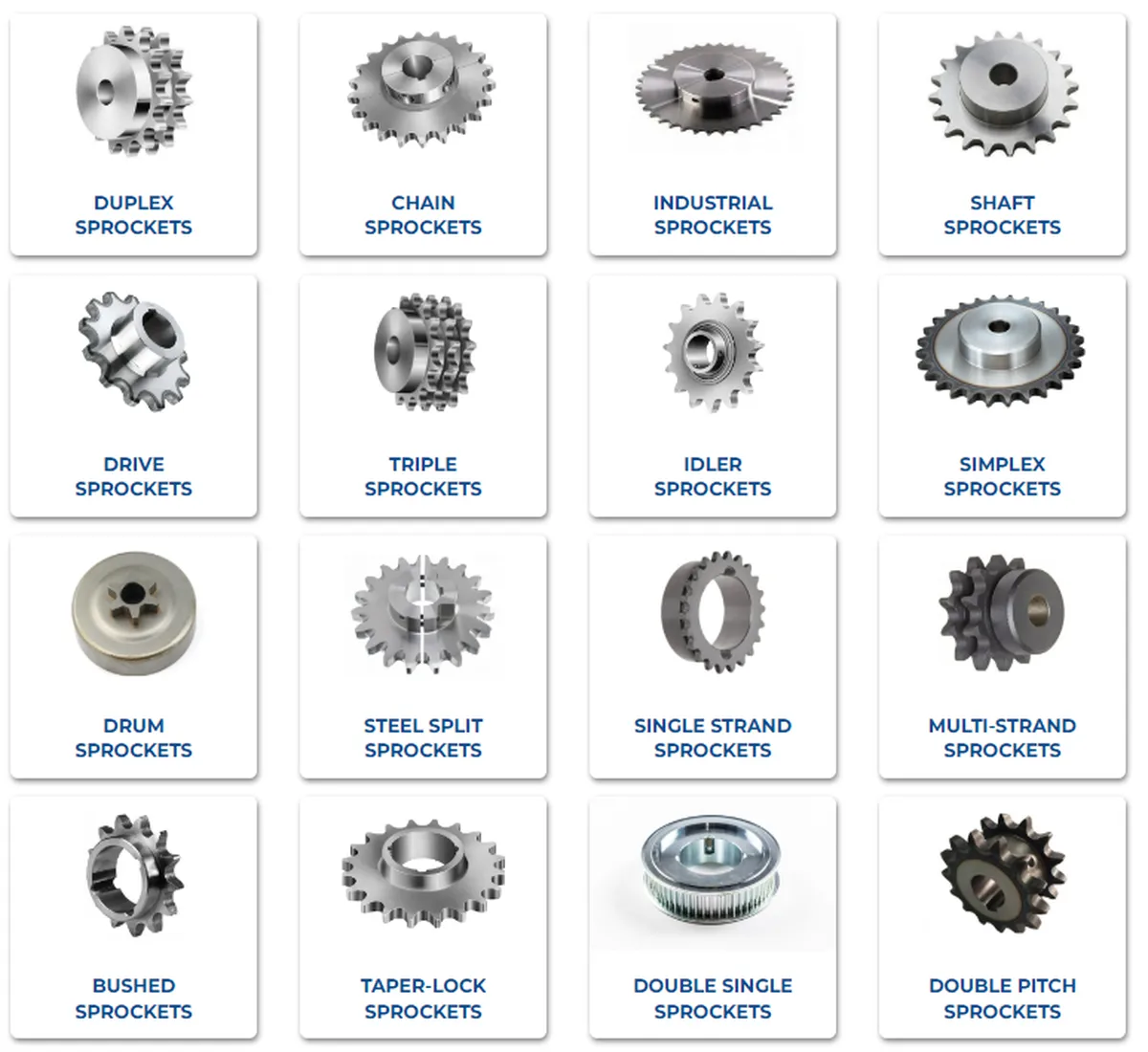
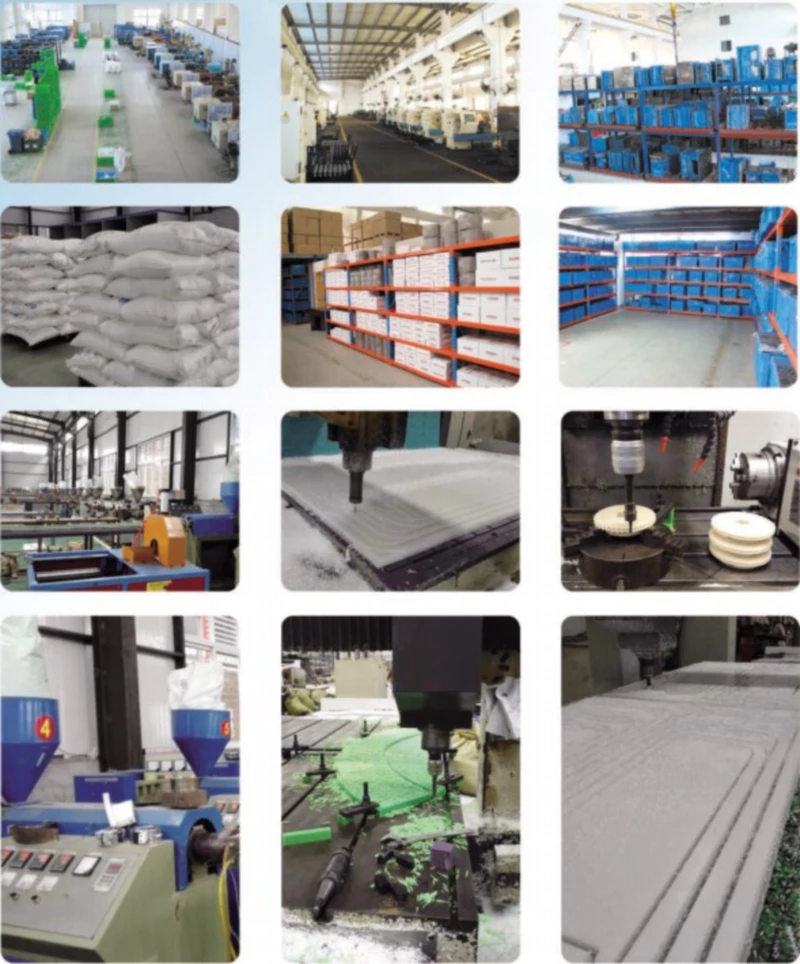
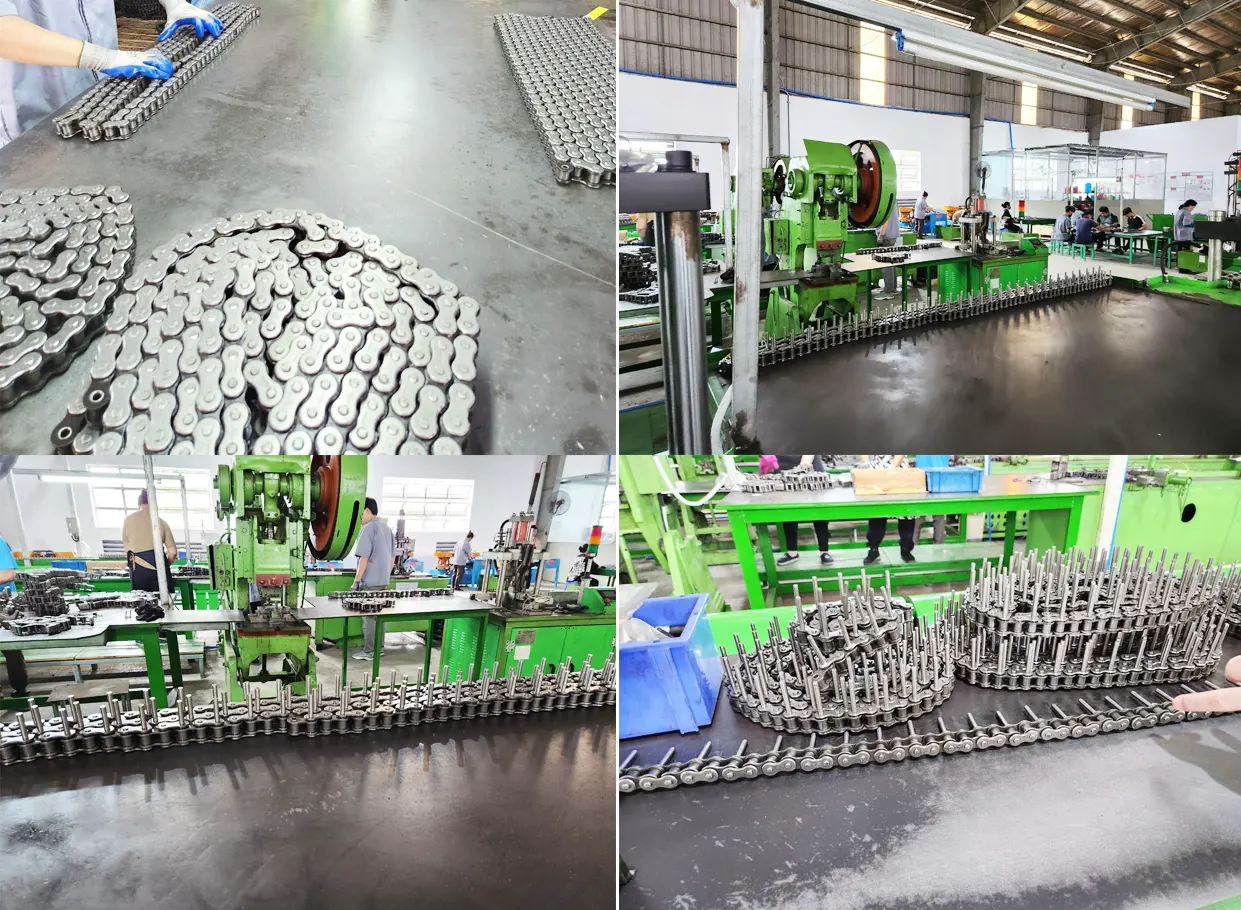
Raydafon was established in 2006 as a professional transmission parts company. Since its establishment, Raydafon has been committed to becoming an industry leader, not only providing products and services to well-known domestic enterprises, but also expanding its market to dozens of countries and regions in Asia, Europe, America, etc. We have multiple advanced production and testing equipment, including CNC gear grinding machines, gear measuring machines, CNC gear shaping machines, machining centers, CMMS, torque testing systems, etc. Our expertise, international certifications, customization services, production equipment and after-sales service set us apart from the competition. Raydafon produces various conveying equipment and accessories. Its products are widely used in various industries such as beverage and food processing, aquatic product processing, pharmaceuticals, packaging, and electronics. The company's main products include: plastic conveyor flat-top chains, keel chains, flexible chains and matching sprockets; stainless steel conveyor flat-top chains, roller chains and matching sprockets; plastic modular conveyor belts and matching sprockets. In addition, we also provide agricultural machinery gearboxes, PTO shafts, air compressors, hydraulic cylinders, trailers, various agricultural machinery accessories, etc. Please contact us if you need them. Customers are welcome to inquire and customize products.
Address
Luotuo Industrial Area, Zhenhai District, Ningbo City, China
Tel

 Raydafon