
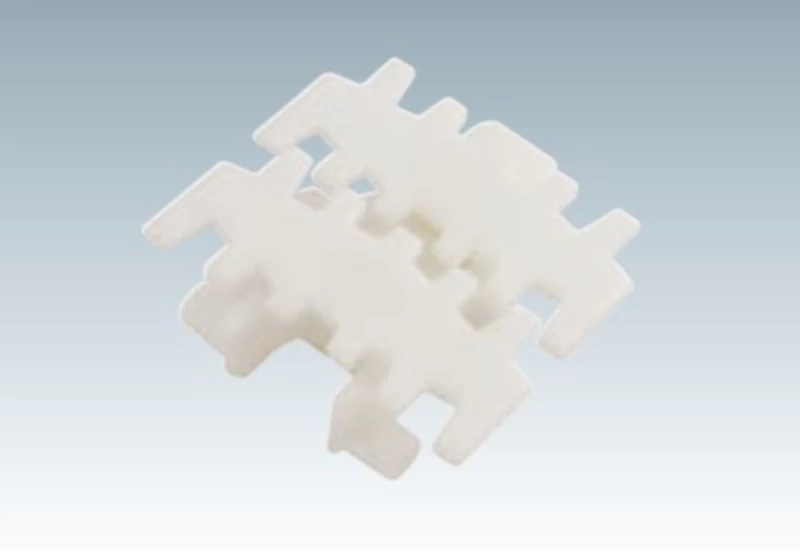
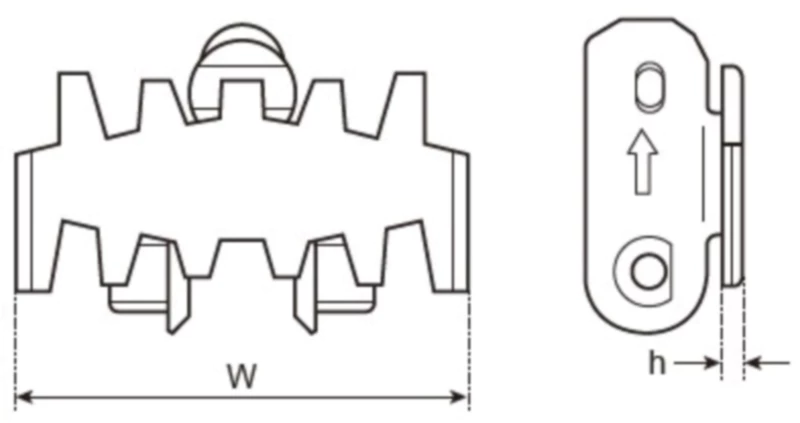
 Applications:- Packaging industry: Plastic Flexible Chains Plain Chain can be used for conveying systems in the packaging industry. They can be used to transport items such as packaging boxes, bottles, cans, etc., from one workstation to another, enabling efficient packaging operations.- Food processing and manufacturing industry: In the food processing and manufacturing industry, this type of chain is commonly used to transport food products from one processing stage to another. They are suitable for transporting food products from one workstation on the production line to the next workstation, enabling automated production processes.- Logistics and sorting centers: In logistics and sorting centers, Plastic Flexible Chains Plain Chain can be used to handle and sort packages, boxes, and other goods. They can smoothly move goods from one position to another on the conveyor line, enabling efficient logistics operations.- Warehousing and distribution: In warehousing and distribution centers, this type of chain can be used to move and sort goods, storing them in the appropriate location or preparing them for shipment.- Mechanical engineering: In the field of mechanical engineering, Plastic Flexible Chains Plain Chain can be used to transport parts, tools, or equipment from one workstation to another to support assembly, testing, and maintenance processes.- Other applications: Plastic Flexible Chains Plain Chain can also be used in many other fields, such as the textile industry, chemical factories, pharmaceutical manufacturing, and printing industry, etc. They are suitable for scenarios that require flexible conveying and power transmission.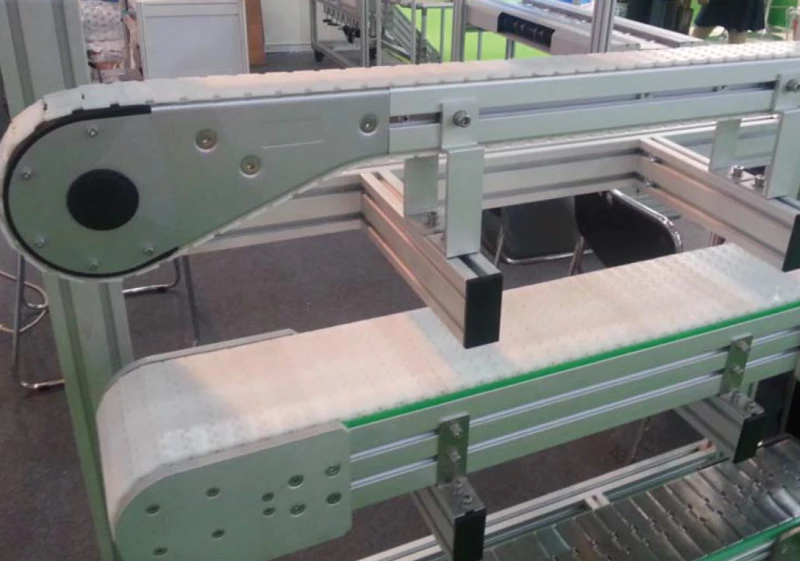
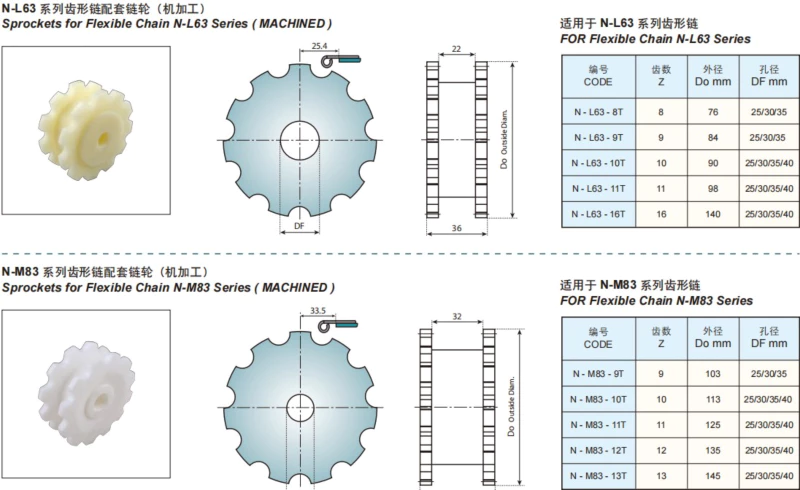
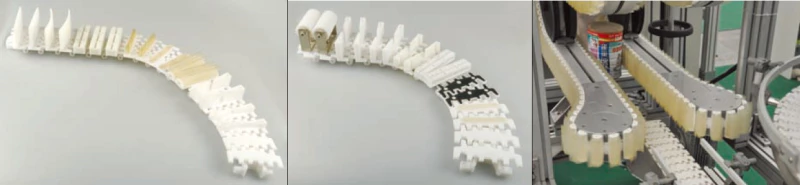 Customization options:- Application requirements: Ensure that your specific application requirements, including working environment conditions, load requirements, curve radius, speed requirements, etc., are clearly communicated to the manufacturer or supplier. This will help the manufacturer provide you with a customized chain solution.- Material selection: Select the appropriate plastic material based on the application environment requirements to ensure wear resistance, corrosion resistance, and resistance to chemical solvents. Different plastic materials have different characteristics, such as polyethylene, polyamide, polypropylene, etc.- Size and construction: Determine the size and construction of the chain based on the layout of the equipment and the requirements for curve conveying. This includes chain width, roller diameter, chain link shape, etc. Ensure that the customized chain is fully compatible with the equipment and meets the requirements for curve conveying.Installation:- Preparation: Before installation, ensure that the necessary tools and equipment are prepared. Clean the work area to ensure that the components of the chain and conveying system are clean.- Positioning and measurement: Determine the installation position and path of the chain, and use measuring tools to ensure correct positioning and alignment.- Connecting the chain: Insert the chain's connecting components into the chain link to ensure a secure connection. For some models, connection pins or other fixtures may be required.- Adjusting tension: Adjust the tension of the chain based on the manufacturer's recommendations. Ensure that the chain is not loose or too tight, and maintain appropriate tension to ensure normal operation.- Installing auxiliary devices: Install appropriate auxiliary devices, such as guide wheels and support rollers, as needed, to ensure proper operation and positioning of the chain.Maintenance:- Cleaning the chain: Regularly clean the chain to remove dust, dirt, and other impurities. Cleaning can be done using methods such as brushing, air pressure, or water flushing. Avoid using corrosive chemicals to avoid damaging the chain material.- Lubricating the chain: Some models of Plastic Flexible Chains Plain Chain may require lubrication. Use appropriate lubricants and lubricate according to the manufacturer's recommendations to reduce friction and wear.- Regular inspection: Regularly inspect the chain for wear, damage, or loose connections. If any problems are found, take timely repair measures, such as replacing worn chain links, connecting components, or adjusting tension.- Pay attention to environmental conditions: Avoid exposing the chain to extreme temperatures, chemicals, or other harsh environments. Select appropriate chain materials and models based on application requirements.- Follow the manufacturer's guidelines: Always follow the manufacturer's provided installation and maintenance guidelines. These guidelines typically include detailed instructions and recommendations specific to the chain model.Matching sprockets: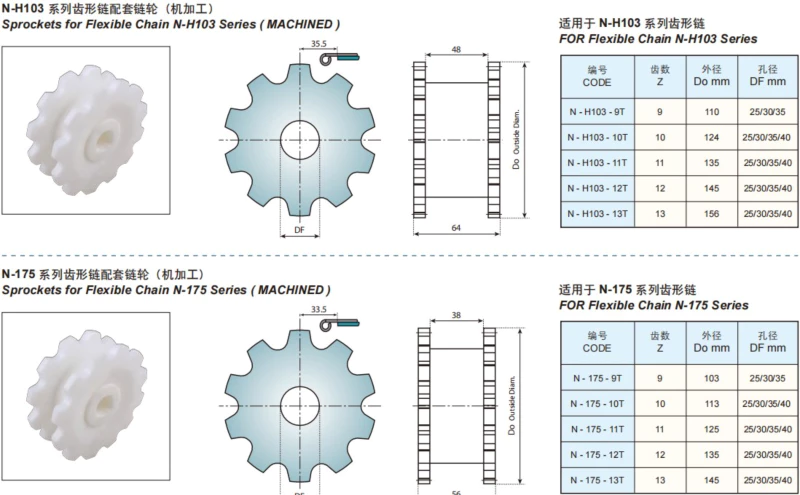
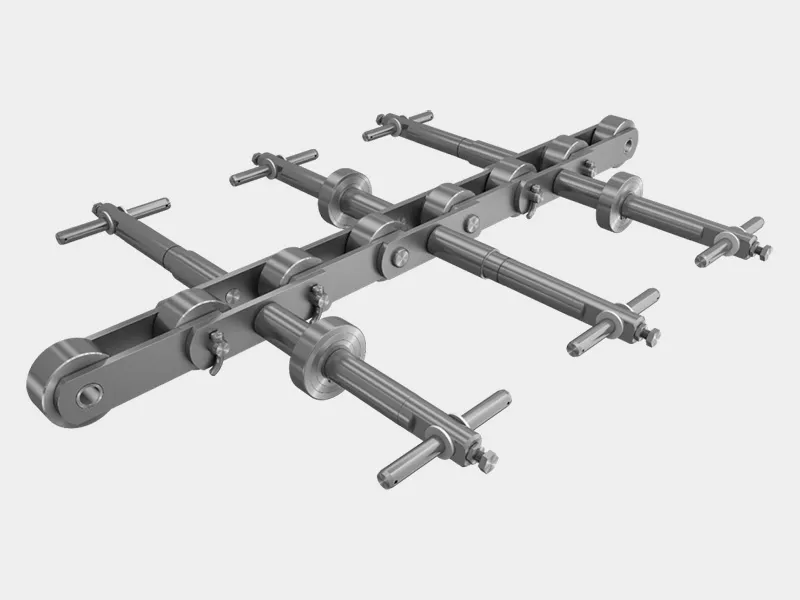
 Matching Beams:Beams are critical to the function of the Plain Chain. They are used to support the chain and ensure that it runs smoothly and efficiently. We offer matching beams, such as the Aluminum Profile Beam, for Plastic Flexible Chains Plain Chain. Please see the following images for reference: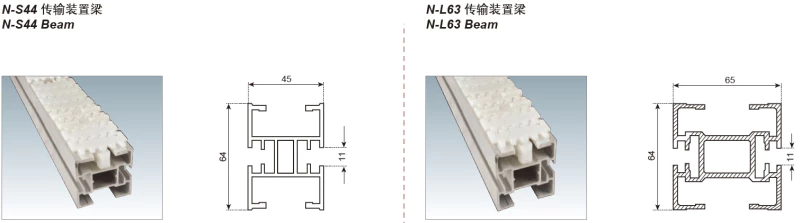
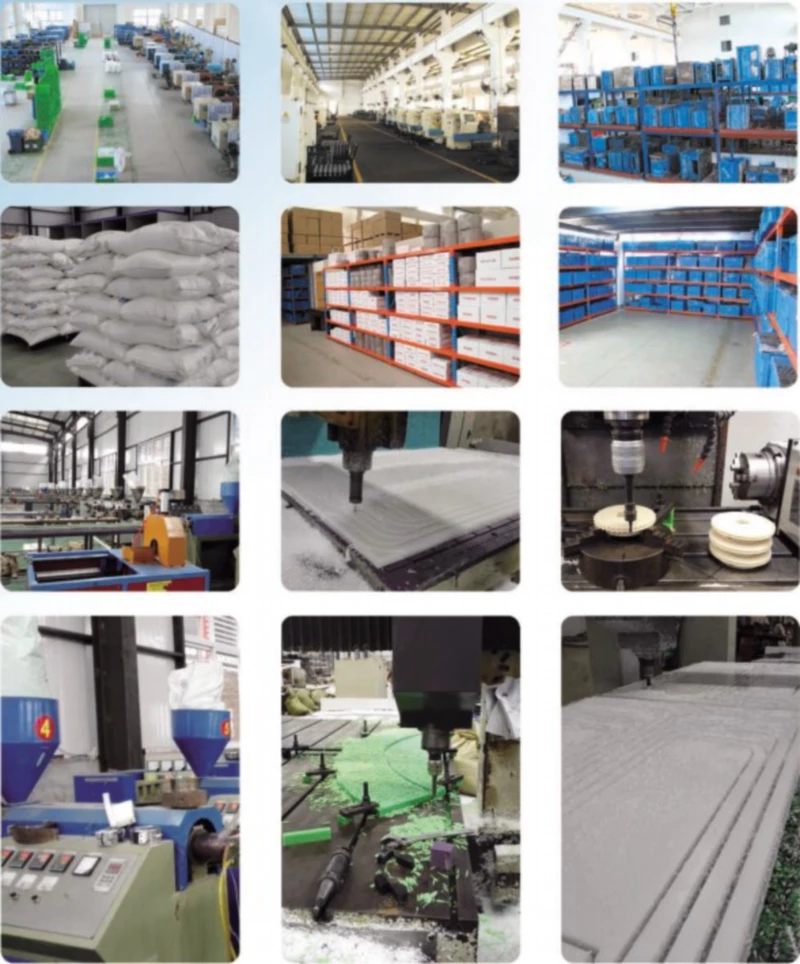
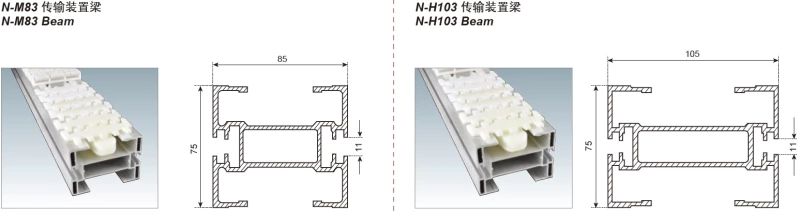 Matching Beams:Beams are important for Plastic Flexible Chains Plain Chain as they provide support and stability to the chain during operation. Properly matched beams can ensure smooth and efficient conveying, reducing the risk of chain deviation or damage. Raydafon offers a range of aluminum profile beams that are compatible with Plastic Flexible Chains Plain Chain, providing customers with a one-stop solution for their conveying needs.Other Chain Products:In addition to Plastic Flexible Chains Plain Chain, Raydafon also offers other chain products, such as Plastic Chain, Stainless Steel Chain, agricultural chains, leaf chains, etc. These chain products are suitable for various applications and can be customized according to customer requirements.About Raydafon:Established in 2003, Raydafon is a professional company specializing in power transmission components. We have multiple advanced production and inspection equipment, such as CNC Gear grinding machine, gear measuring machine, CNC gear shaper, machine center, CMMS, torque test system, etc. We provide customers with professional, customized, and international certified products, as well as excellent pre-sales and after-sales services. Raydafon welcomes customers to inquire or customize products.
 FAQs:1. What is Plastic Flexible Chains Plain Chain?Plastic Flexible Chains Plain Chain is a type of plastic flexible chain usually used for conveying and power transmission applications.2. What are the advantages of Plastic Flexible Chains Plain Chain?Plastic Flexible Chains Plain Chain has excellent flexibility, good abrasion resistance, corrosion resistance, and chemical resistance. It is lightweight, produces lower noise during operation, and is easy to maintain.3. What are the applications of Plastic Flexible Chains Plain Chain?Plastic Flexible Chains Plain Chain can be used in various industries, such as packaging, food processing, logistics, warehousing, mechanical engineering, etc.4. How do I customize Plastic Flexible Chains Plain Chain for my specific application?To customize Plastic Flexible Chains Plain Chain, ensure that your specific application requirements, including working environment conditions, load requirements, curve radius, speed requirements, etc., are clearly communicated to the manufacturer or supplier. This will help the manufacturer provide you with a customized chain solution.5. How do I maintain Plastic Flexible Chains Plain Chain?To maintain Plastic Flexible Chains Plain Chain, regularly clean the chain to remove impurities, lubricate the chain if necessary, regularly inspect the chain for wear or damage, and avoid exposing the chain to extreme temperatures, chemicals, or other harsh environments. Always follow the manufacturer's provided installation and maintenance guidelines.
Address
Luotuo Industrial Area, Zhenhai District, Ningbo City, China
Tel

 Raydafon