
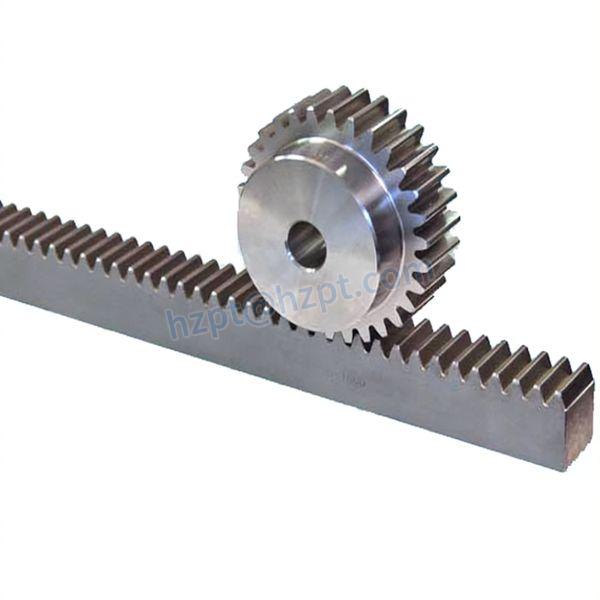
Gear Rack and Pinion
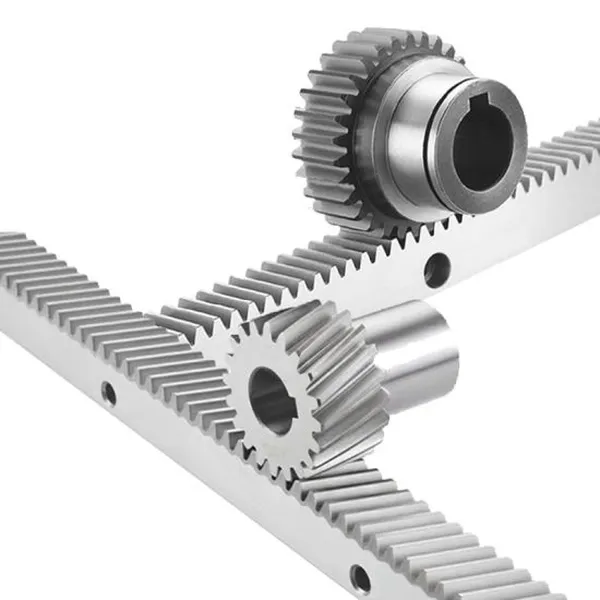
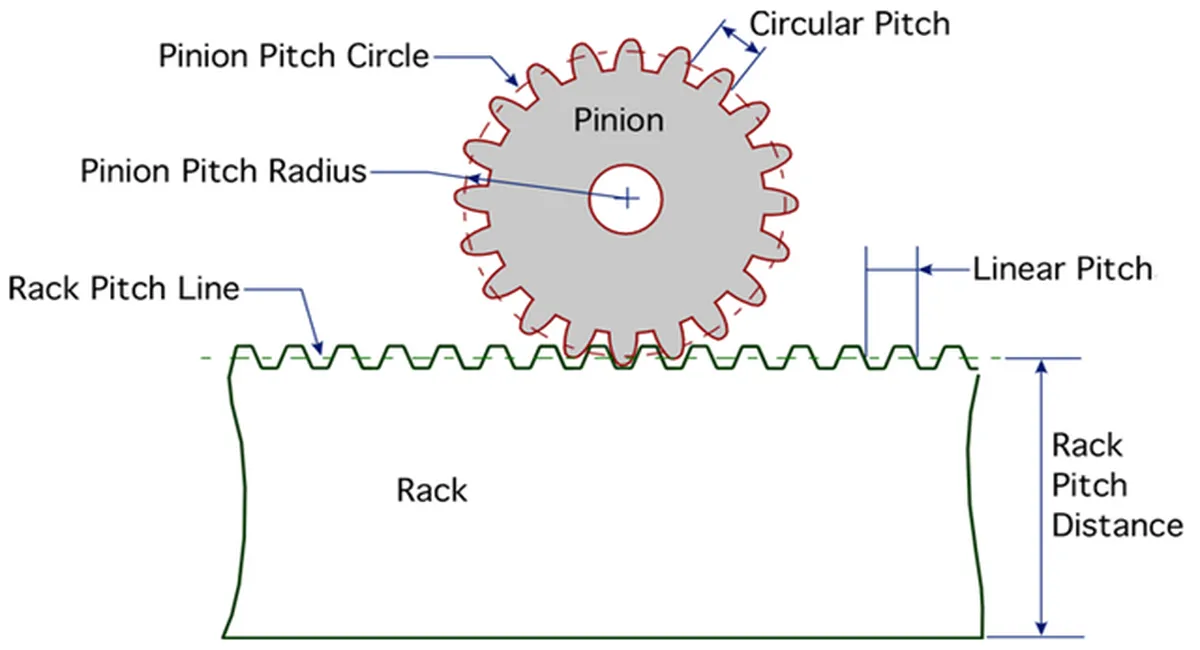
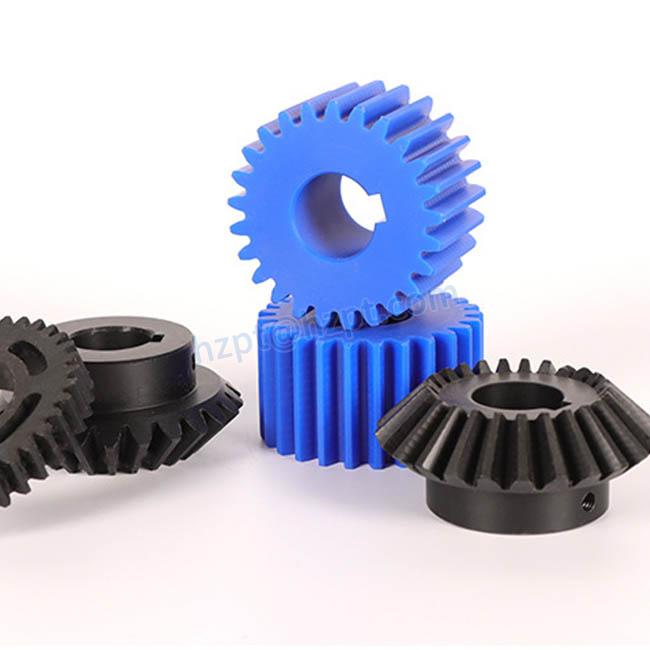
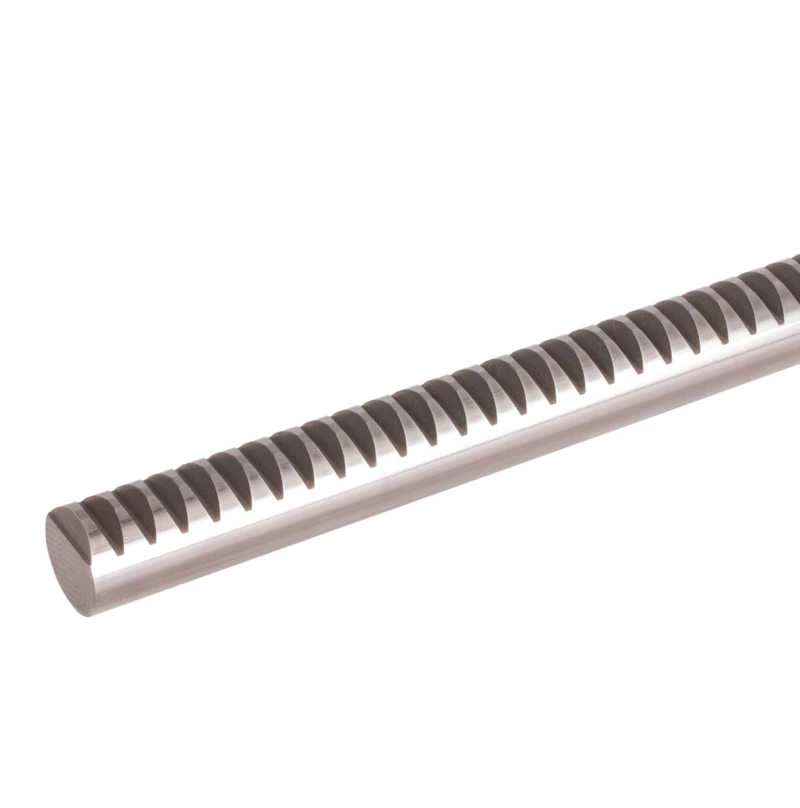
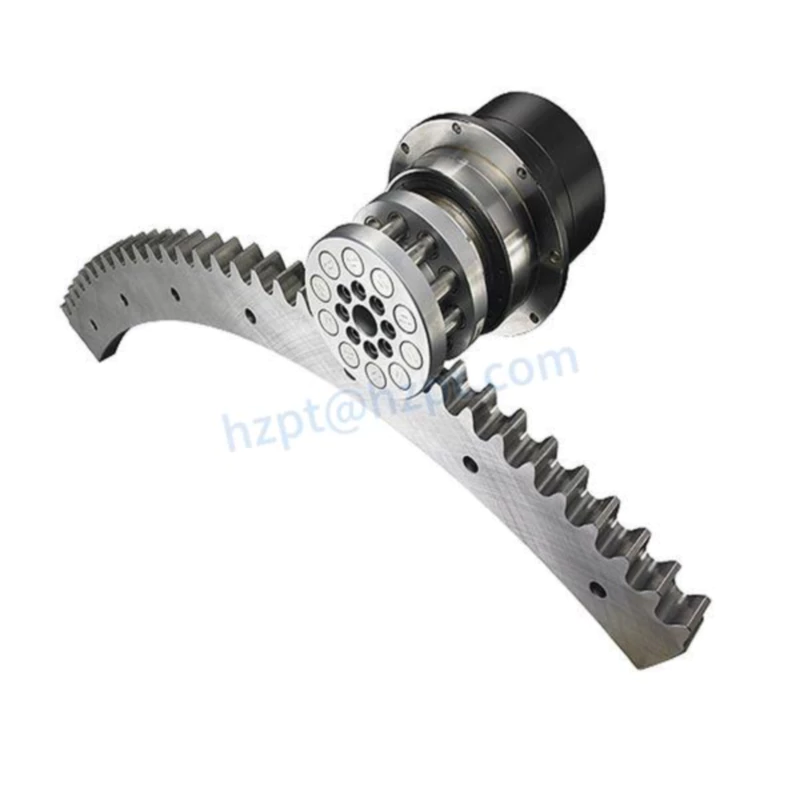
There are many ways to use gears. Gear racks are utilized to convert rotating movement into linear motion. A gear rack has straight teeth cut into one surface of a square or round rod section and operates with a pinion, a small cylindrical gear meshing with the gear rack. Generally, gear rack and pinion are called "rack and pinion." For example, as shown in the picture, equipment is used to rotate a parallel shaft with the gear rack.Raydafon has many gear racks in stock to provide many racks and pinion variations. If the application requires a long length requiring multiple gear racks in series, we have shelves with the tooth forms correctly configured at the ends. These are described as "gear racks with machined ends." When a rack and pinion gear is produced, the tooth cutting and heat treatment processes can cause it to try & go out of true. We can control this with special presses & remedial methods.There are applications where the gear rack is stationary while the pinion traverses, and others rotate on a fixed axis while the gear rack moves. The former is used widely in conveying systems, while the latter can be used in extrusion systems and lifting/lowering applications.As a mechanical element to transfer rotary into linear motion, gear racks are often compared to ball screws. There are pros and cons to using racks in place of ball screws. The advantages of a gear rack are its mechanical simplicity, sizeable load-carrying capacity, no limit to the length, etc. One disadvantage, though, is the backlash. The advantages of a ball screw are the high precision and lower backlash, while its shortcomings include the limit in length due to deflection.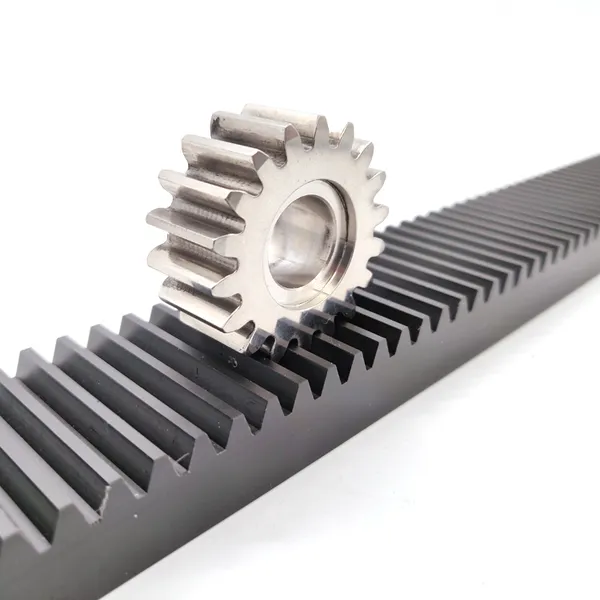 | 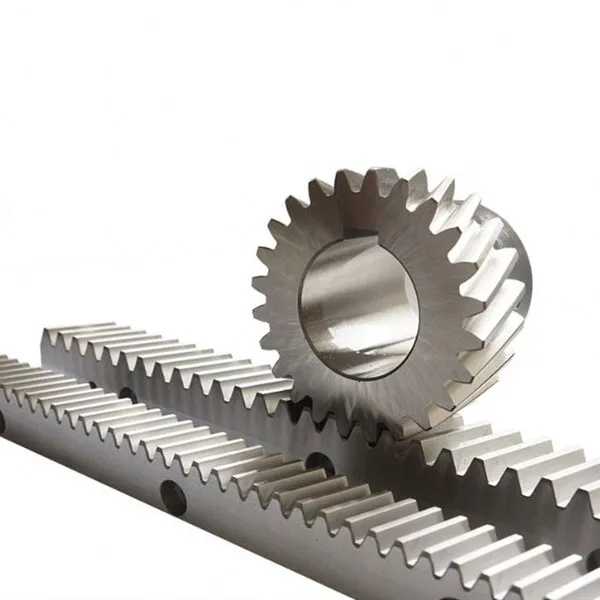 |
Rack and pinion gears are available in three variations:
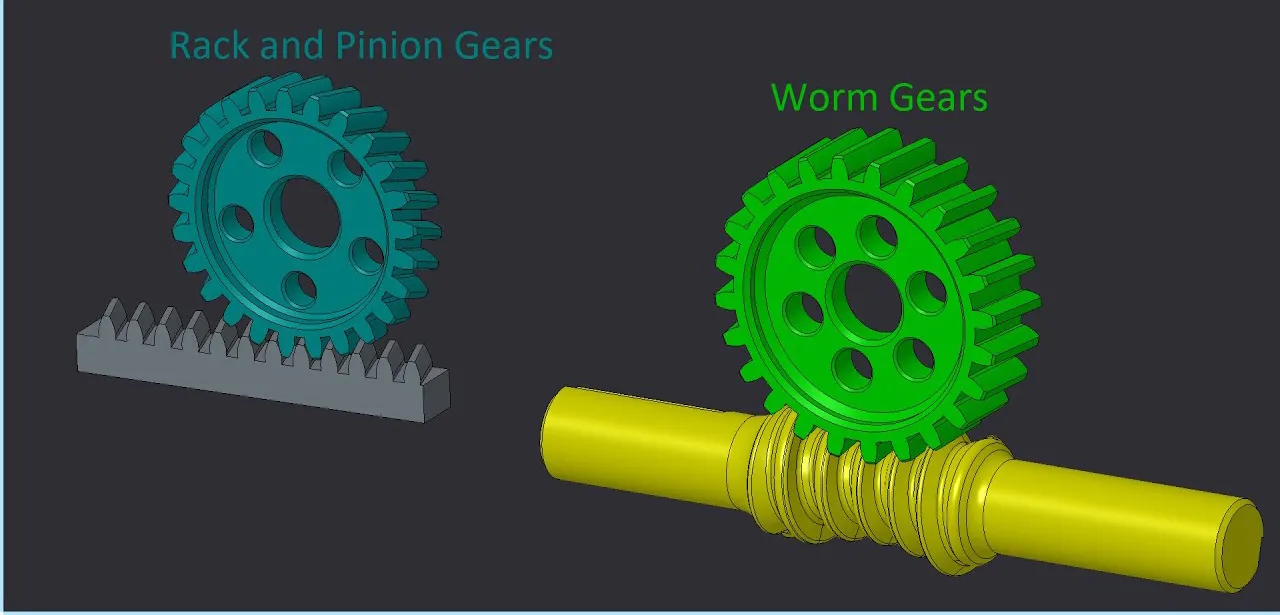
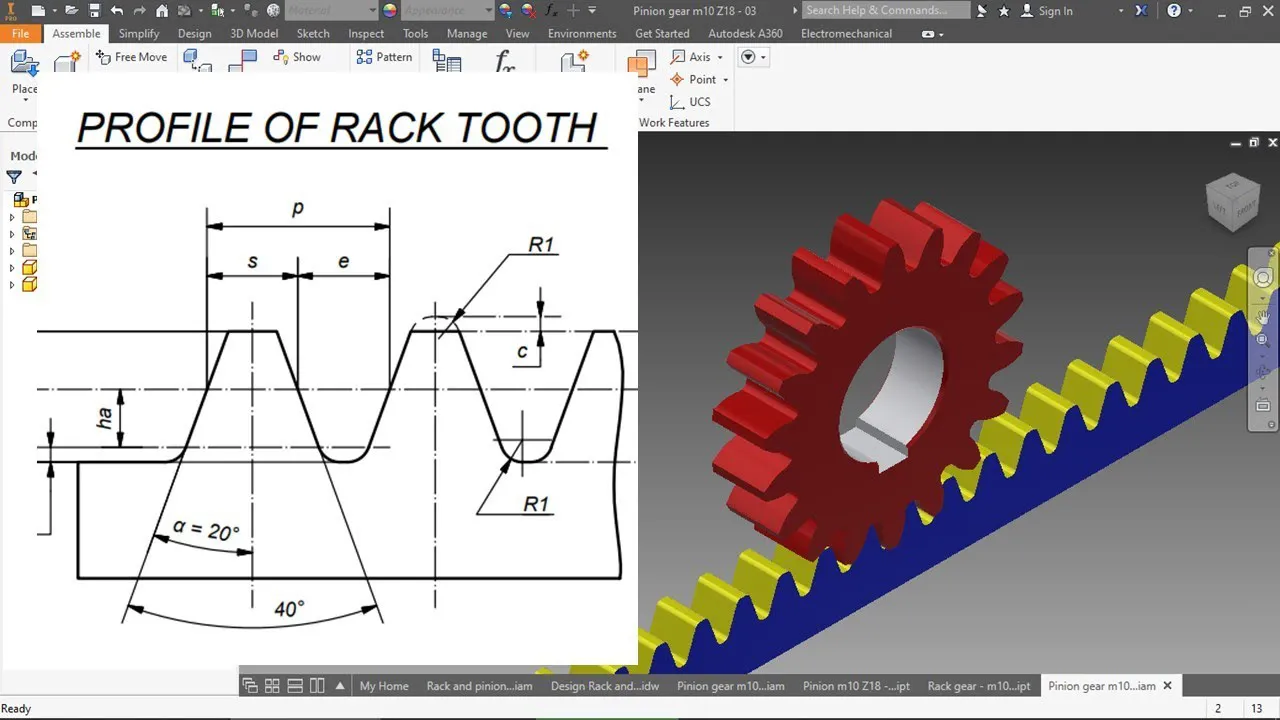 Rack and pinion have the characteristics of their function being drastically altered depending on whether the rack is stationary or movable. When the rack is movable, its motion is in a straight line, and its use is mainly to take advantage of this behavior. For example, it is used as a jack or clamping system or, by modifying the tip of a rack, utilized as the pusher of a workpiece.When the rack is stationary, the pinion gear rolls on the rack, and its application method varies widely. Positioning of machines, hand press, horizontal transport, elevating mechanism, etc., can be used as examples.Also, if two racks are laid facing each other and a pinion is placed between them, the repeated forward-backward motion of the pinion will produce an alternating advance and retreat motion. For applications of this mechanism, work escapement mechanisms and air-driven rotary actuators can be listed.Racks can be placed midstream in conveyor transport mechanisms. The items on the pallet can be flipped or rotated by incorporating freely rotating pinions on transport pallets that engage the racks. This is one particular application example.Pinion gear and rack possess a high degree of freedom in their applications, depending only on the users' ideas.
| Aluminum | Aluminum is a bluish, silver-white, malleable, ductile, light, trivalent, metallic element with good electrical and thermal conductivity, high reflectivity, and oxidation resistance. It is lighter than steel but not as strong. |
| Brass | Brass has good strength, high-temperature ductility and cold flexibility, electrical conductivity, corrosion resistance, bearing properties, and low magnetic permeability. |
| Bronze | Bronze is a copper base alloy that consists of copper as the primary alloying metal and one or more other metals, such as tin, zinc, or phosphorus. Silicon bronze is a typical bronze alloy. |
| Cast Iron | Cast iron is a very durable iron alloy with high amounts of carbon. Types include ductile iron, gray iron, and white cast iron grades. Differences in grades are due to variations in composition and processing. |
| Carbon / Alloy Steel | Steel is a commercial iron that contains carbon in any amount up to about 1.7 percent as an essential alloying constituent. Many grades of carbon and alloy steel are available. They may require a coating to protect against corrosion, however. |
| Hardened Steel | Steel may be hardened in several ways. These include a variety of quenching techniques in oil and water, passing the steel through induction chambers, etc. Quickly cooling steel during processing freezes, traps, and packs the carbon atoms inside the shrunken iron crystals, producing a rigid and brittle metal. Although challenging, it cannot absorb much shock or impact without breaking. |
| Stainless Steel | Stainless steel is chemical and corrosion-resistant and can have relatively high-stress ratings. Most stainless steels cannot be hardened to the same degree as carbon steels. |
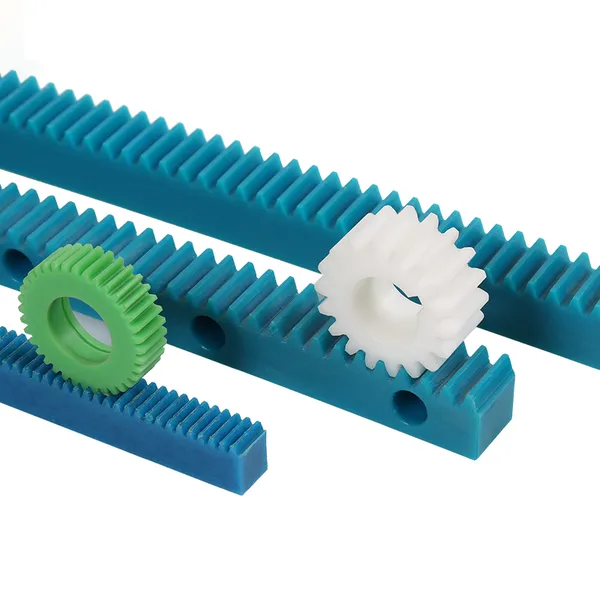
| Acetal | Acetal is a stable plastic material with inherent self-lubricating properties that can be enhanced with lubricating fillers. |
| Delrin | Delrin is an engineered plastic with toughness, stiffness, wear and abrasion resistance, and low frictional characteristics. |
| Nylon | Nylon, comprising several grades of polyamides, is a general-purpose material in wide use. It is challenging and resistant and has good pressure ratings. |
| Polycarbonate | Polycarbonate is an extremely tough polymer that can be machined to close tolerances. Lubrication is sometimes needed, as the wear properties of polycarbonate are not as good as some other polymers. |
 |  |
Address
Luotuo Industrial Area, Zhenhai District, Ningbo City, China
Tel

 Raydafon