
Motorcycle Timing Chain
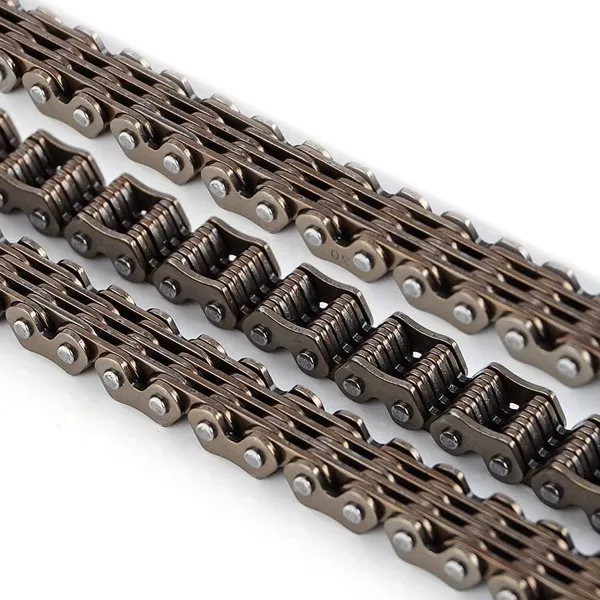
A motorcycle timing chain is a metal chain that connects the crankshaft to the camshaft in a four-stroke motorcycle engine. It ensures that the valves open and close at the correct time, which is essential for proper engine operation.
The motorcycle timing chain is driven by the crankshaft, which is the main rotating shaft in the engine. The camshaft is responsible for opening and closing the intake and exhaust valves. The timing chain ensures that the camshaft rotates at exactly half the speed of the crankshaft so that the valves open and close at the correct time relative to the piston's position in the cylinder.
Timing chains are typically made of hardened steel and are designed to last for many years. However, they can wear out over time, especially if the engine is not properly maintained. Symptoms of a worn or damaged timing chain include:
If you suspect that your motorcycle's timing chain is worn or damaged, it is important to have it inspected and replaced immediately. A broken timing chain can cause serious engine damage.
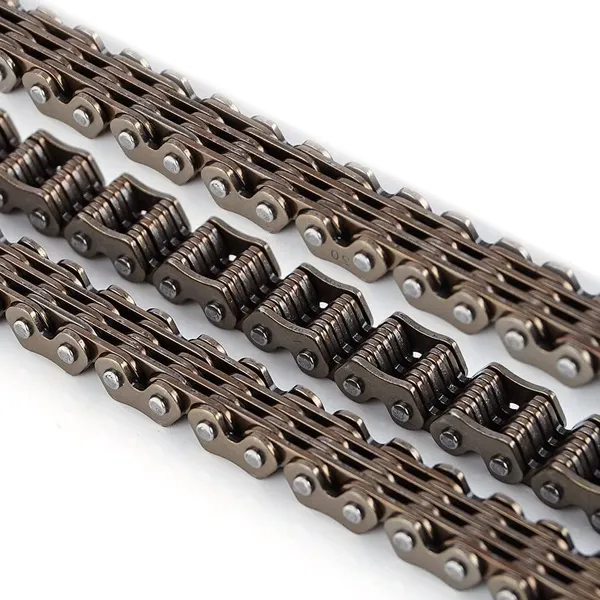
| Chain No. | Pitch | Transverse Pitch | Width Between Inner Plate | Roller Dia. | Pin Dia. | Pin Length | Inner Plate | Ultimate Tensile Strength | Average Tensile Strength | Weight |
| p | Pt Mon | b1 min | d1 max | d2 max | L max | h2 max | Q min | Q0 | q | |
| mm | mm | mm | mm | mm | mm | mm | KN | KN | kg/m | |
| *25 | 6.350 | 3.10 | 3.30 | 2.31 | 7.80 | 5.90 | 3.50 | 4.20 | 0.14 | |
| *25H | 6.350 | 3.10 | 3.30 | 2.31 | 9.00 | 5.90 | 4.80 | 5.20 | 0.18 | |
| *25SH | 6.350 | 3.10 | 3.30 | 2.01 | 9.00 | 5.90 | 5.20 | 5.50 | 0.17 | |
| 5.00E-01 | 8.000 | 4.60 | 5.65 | 3.05 | 12.35 | 7.60 | 7.80 | 8.20 | 0.38 | |
| O5H-1 | 8.000 | 4.60 | 5.65 | 3.05 | 11.40 | 7.60 | 7.80 | 8.20 | 0.38 | |
| *219HT | 7.774 | 4.90 | 4.59 | 3.00 | 11.50 | 7.50 | 7.80 | 9.50 | 0.32 | |
| *BF05T | 8.000 | 4.80 | 4.77 | 3.28 | 11.60 | 7.60 | 7.00 | 9.20 | 0.35 | |
| 06BH | 9.525 | 3.84 | 6.35 | 3.28 | 10.60 | 8.20 | 9.00 | 9.50 | 0.35 | |
| 06BT-l | 9.525 | 5.72 | 6.35 | 3.28 | 12.50 | 8.20 | 9.00 | 9.50 | 0.39 | |
| 06BT-2 | 9.525 | 10.24 | 5.72 | 6.35 | 3.28 | 22.90 | 8.20 | 16.90 | 17.90 | 0.80 |
| *C35*2 | 9.525 | 10.13 | 5.72 | 5.08 | 3.58 | 22.20 | 8.70 | 15.80 | 19.00 | 1.21 |
| *35-1 | 9.525 | 5.72 | 5.08 | 3.58 | 12.15 | 8.95 | 7.90 | 9.80 | 0.33 | |
| *35-2 | 9.525 | 10.13 | 5.72 | 5.08 | 3.58 | 22.20 | 8.95 | 15.80 | 19.00 | 0.63 |
| 06B-1 | 9.525 | 5.72 | 6.35 | 3.28 | 13.20 | 8.20 | 8.90 | 10.00 | 0.41 | |
| 06B-2 | 9.525 | 10.24 | 5.72 | 6.35 | 3.28 | 23.50 | 8.20 | 16.90 | 17.90 | 0.77 |
| 06BH | 9.525 | 5.72 | 6.35 | 3.28 | 13.90 | 8.20 | 9.00 | 10.00 | 0.45 |
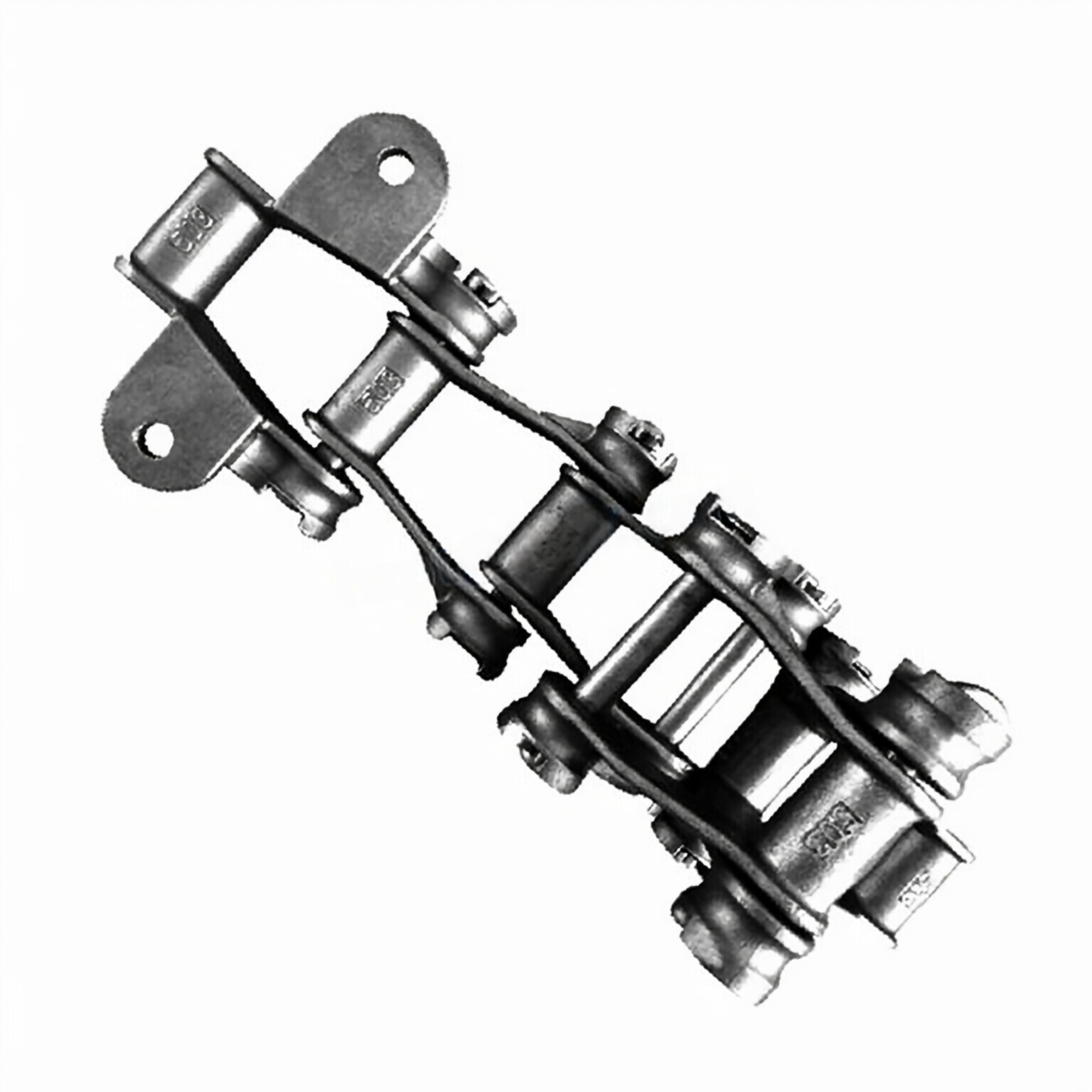
Roller chains are the most common type of motorcycle timing chain. They are made up of a series of alternating links: inner links and outer links. The inner links have rollers that ride on the camshaft and crankshaft gears. The outer links have pins that hold the rollers in place. Roller chains are relatively inexpensive to manufacture and produce, and they are durable and reliable. However, they can be noisy, especially as they wear down.
Silent chains are designed to be quieter than roller chains. They are made up of a series of alternating links: solid links and link plates. The solid links have teeth that mesh with the camshaft and crankshaft gears. The link plates are attached to the solid links by rubber or plastic bushings. Silent chains are more expensive to manufacture and produce than roller chains, but they are quieter and smoother running.
In addition to roller chains and silent chains, there are a few other types of motorcycle timing chains that are less common, such as:
The type of timing chain that is used in a particular motorcycle engine depends on the design of the engine and the requirements of the manufacturer. For example, some manufacturers use roller chains in all of their engines, while others use silent chains in their high-performance engines.
It is important to note that not all timing chains are interchangeable. If you need to replace the timing chain in your motorcycle, make sure to use the correct type of chain for your engine.
 | 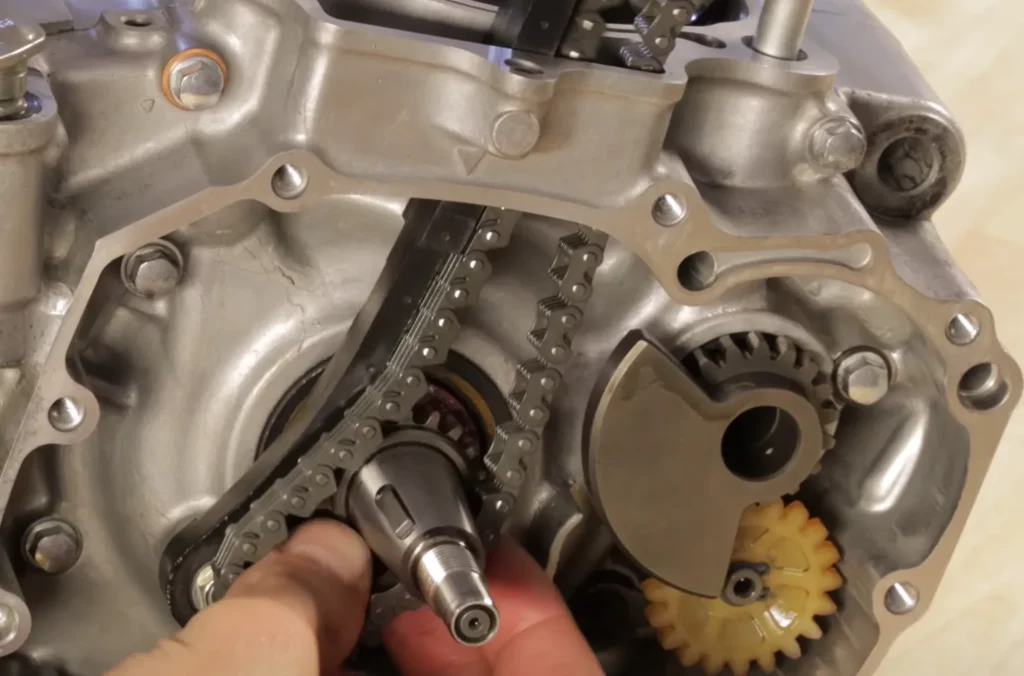 |
A motorcycle timing chain is a metal chain that synchronizes the rotation of the crankshaft and camshaft(s) in a motorcycle engine. This ensures that the valves open and close at the correct time during each cylinder's firing stroke.
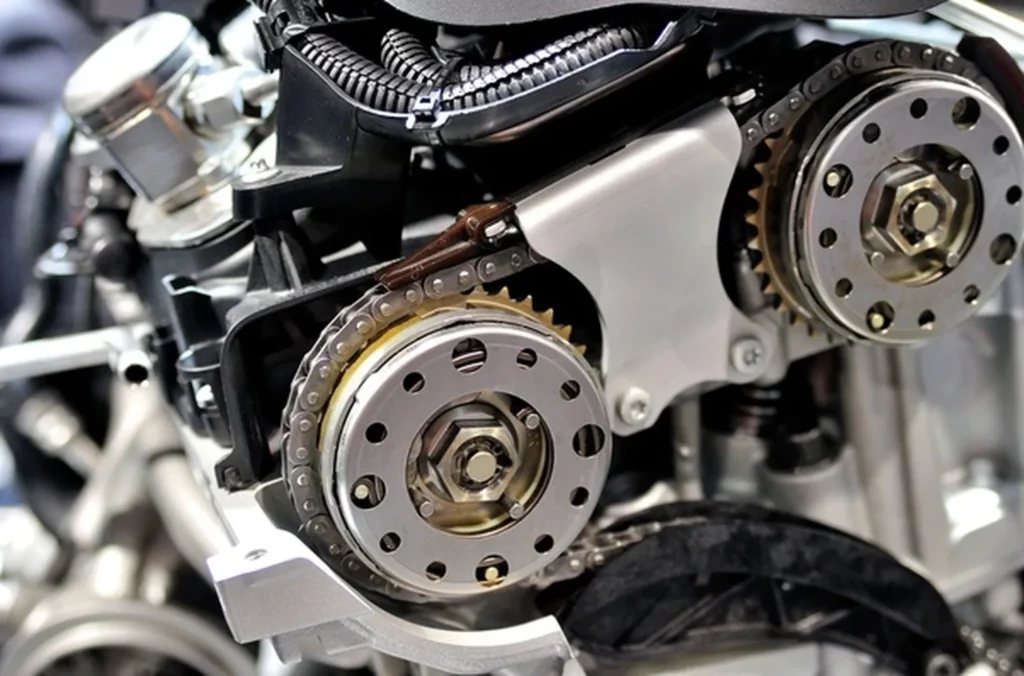
The timing chain is located inside the engine and is driven by the crankshaft. The crankshaft turns the camshaft(s) through the timing chain, which allows the camshaft(s) to operate the valves.
The timing chain is lubricated by the engine oil, so it is important to maintain proper oil levels and change the oil regularly. A worn or damaged timing chain can cause engine problems, such as misfiring, poor performance, and even engine failure.
Here is a step-by-step explanation of how a motorcycle timing chain works:
The timing chain is a critical component of the motorcycle engine, and it is important to keep it in good condition. Regular oil changes and inspections will help to ensure that the timing chain lasts for many years.

Motorcycle timing chains are typically designed to last for the lifetime of the engine, but they can wear out over time, especially if the motorcycle is not properly maintained. There are a few signs that indicate it may be time to replace your motorcycle timing chain, including:
In addition to these signs, it is also a good idea to have your timing motorcycle chain inspected and replaced according to the manufacturer's recommended maintenance schedule. This is typically around 100,000 to 120,000 miles but may vary depending on the make and model of your motorcycle.
Here are some tips to help extend the life of your motorcycle timing chain:
If you suspect that your motorcycle timing chain may need to be replaced, it is important to have it inspected and repaired by a qualified mechanic. Replacing a timing chain is a complex job that requires specialized tools and knowledge.
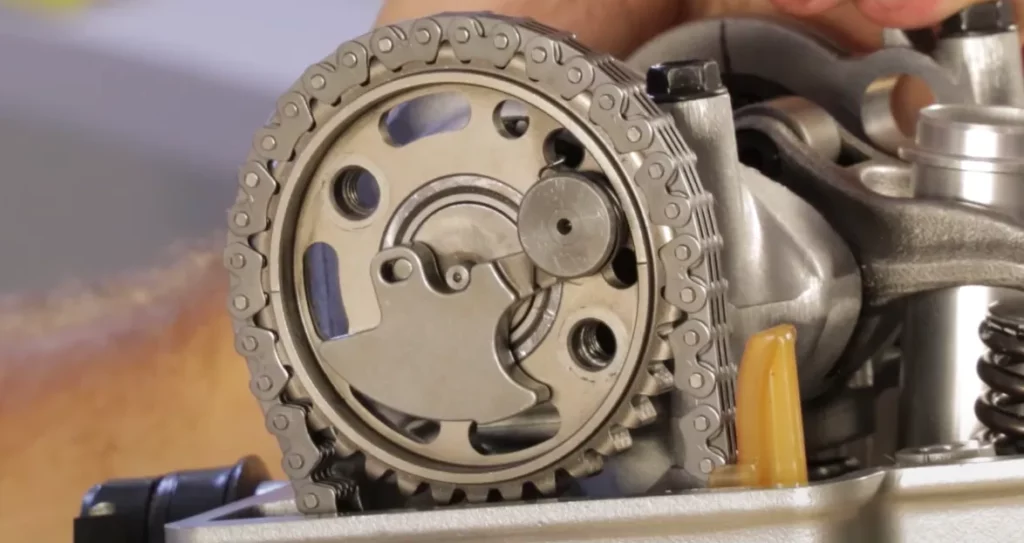
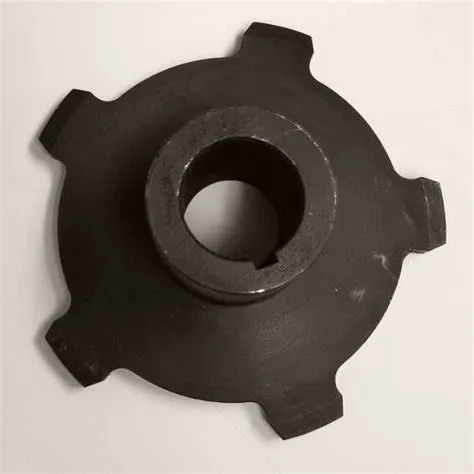
Timing chain sprockets are toothed wheels that engage with the timing chain to drive the camshaft and crankshaft in a motorcycle engine. They are typically made of high-strength steel and are designed to withstand the extreme heat and pressure of engine operation.
Timing chain sprockets are available in a variety of sizes and configurations to match different motorcycle engines. The most common types of timing chain sprockets are:
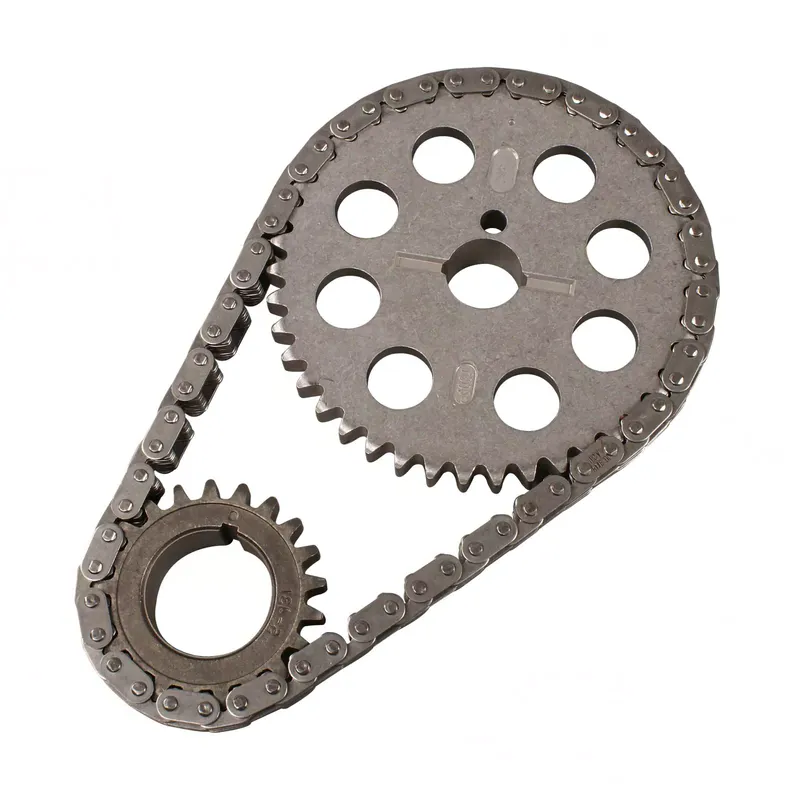
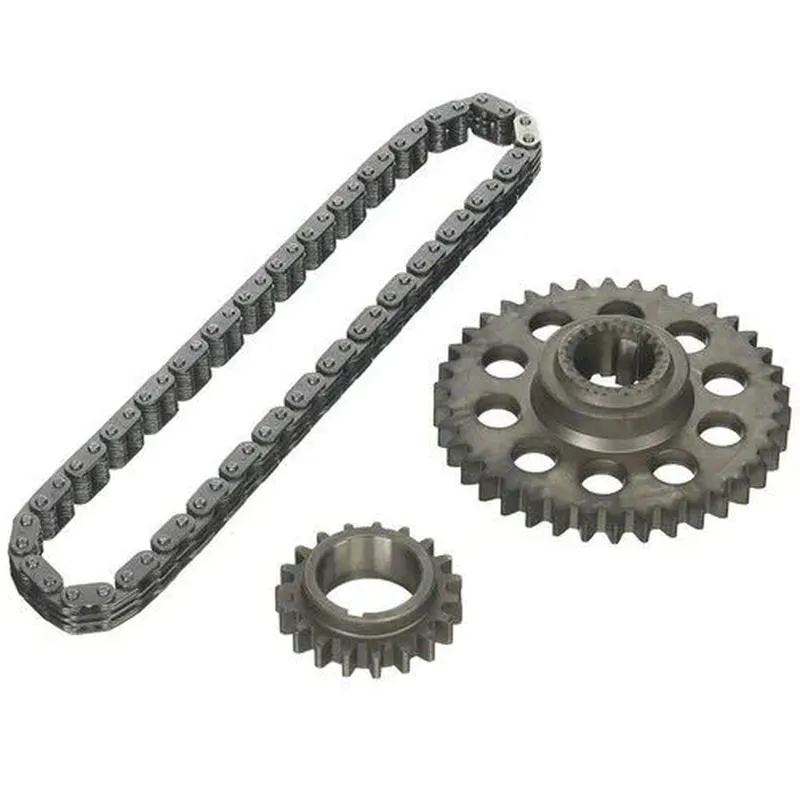
Timing chain sprockets are typically replaced as a set with the timing chain. This is because the sprockets and chain wear together and replacing only one or the other can lead to premature failure of the other.
Here are some tips for choosing the right timing chain sprockets for your motorcycle:
 |  |
Address
Luotuo Industrial Area, Zhenhai District, Ningbo City, China
Tel

 Raydafon