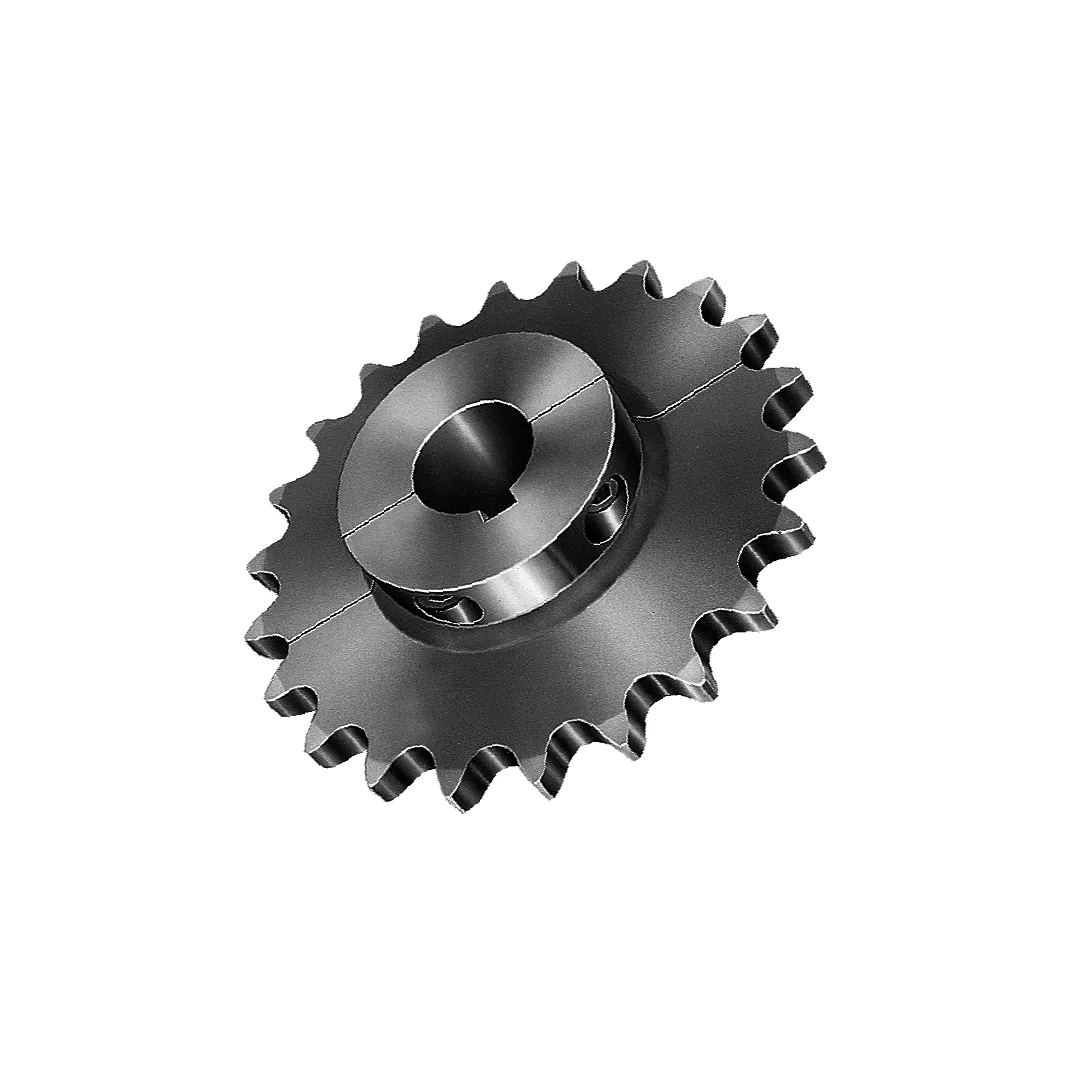
Discover the key advantages of taper bushing mountings for specialty sprockets, from simplified installation and precise alignment to reduced maintenance when compared to traditional hub options.
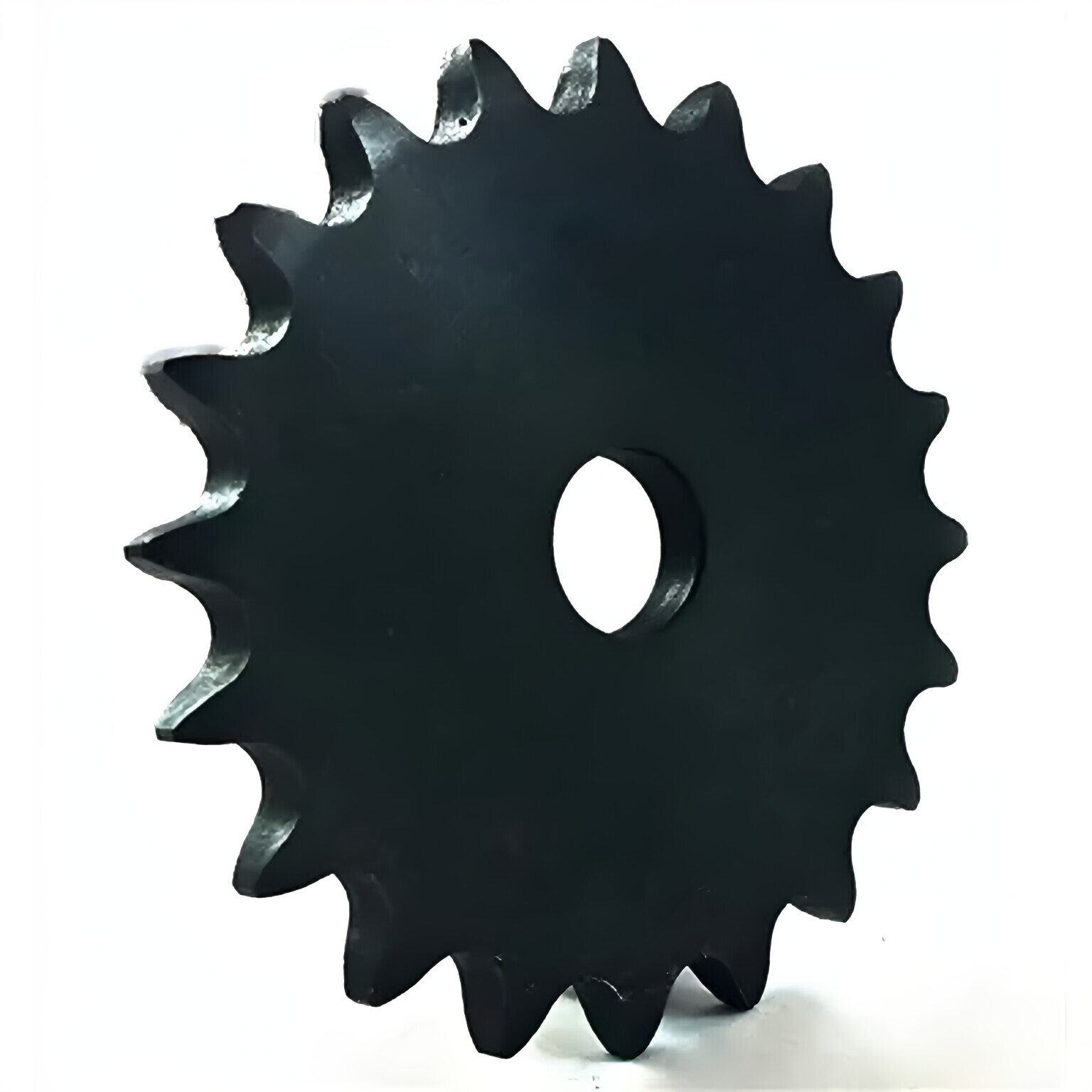
This article examines the feasibility of repairing or refurbishing welded steel chain sprockets, discussing common wear patterns, practical restoration methods, and when replacement might be the better option.
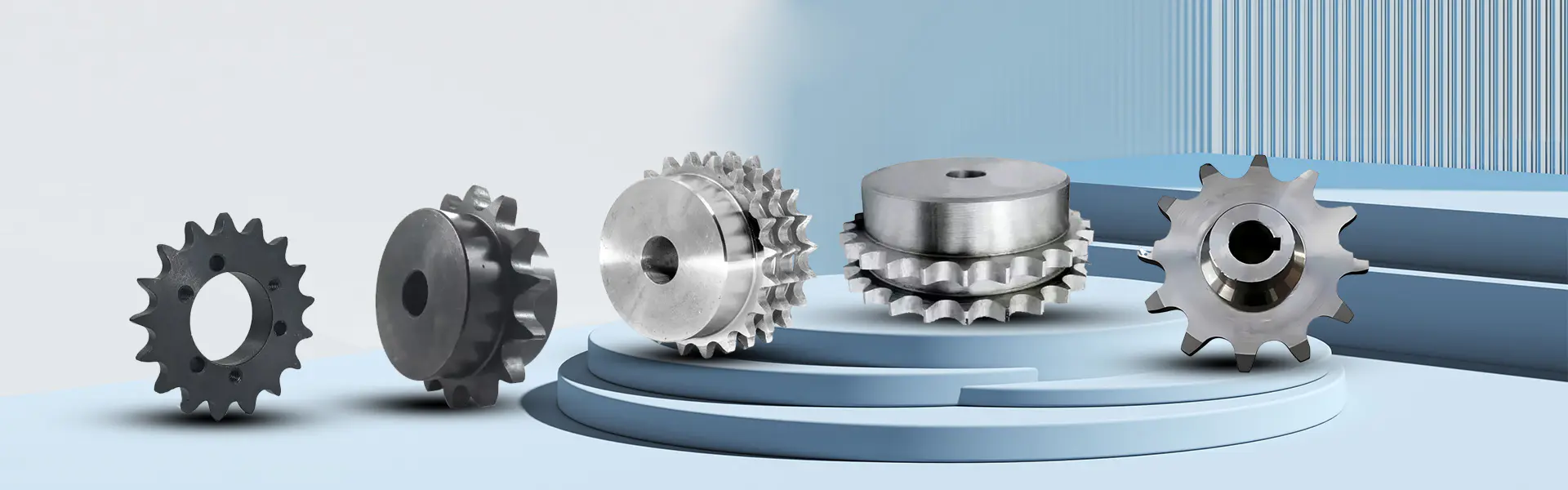
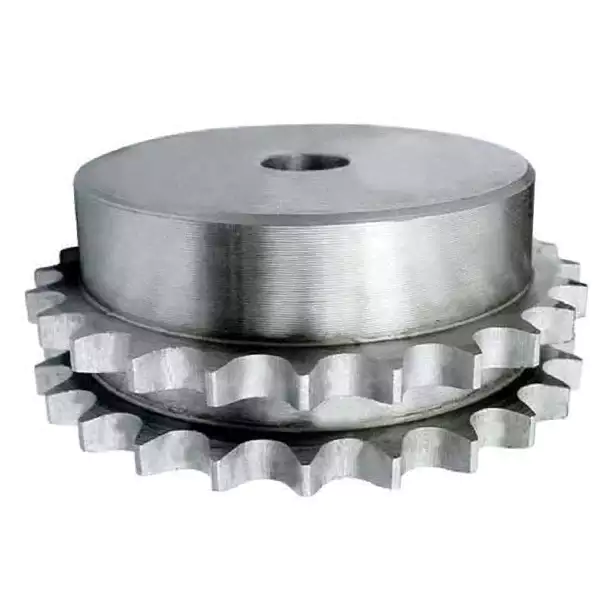
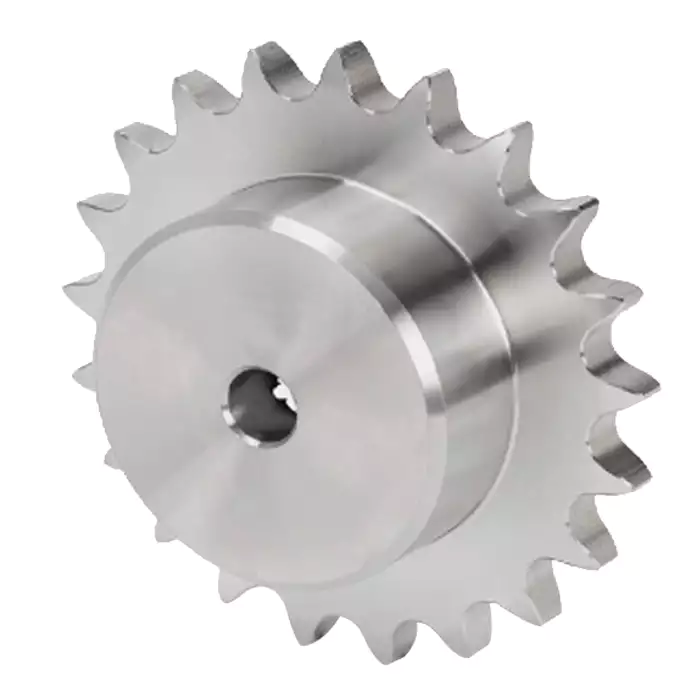
Stainless steel roller chain sprockets offer superior corrosion resistance, making them ideal for harsh environments and food-grade applications. They provide excellent durability, require minimal maintenance, and ensure reliable performance in high-moisture or chemical-exposed settings.
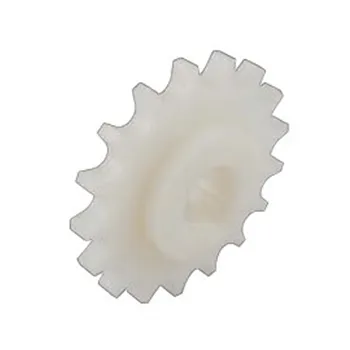
This article examines the factors that determine the maximum load capacity of plastic sprockets, including material properties, tooth geometry, and operational conditions.
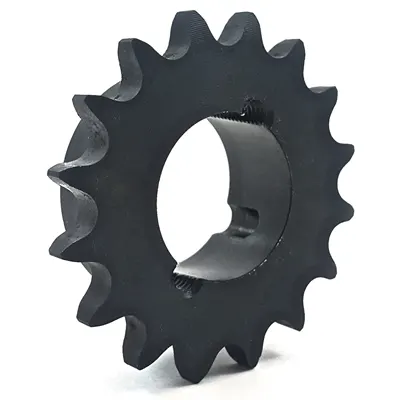
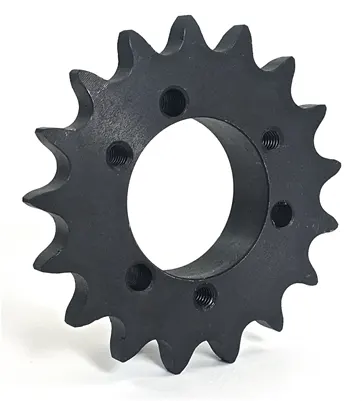
Wondering if you can swap out only the worn sprocket teeth without replacing the entire QD hub? This article covers the key factors, compatibility issues, and practical steps.
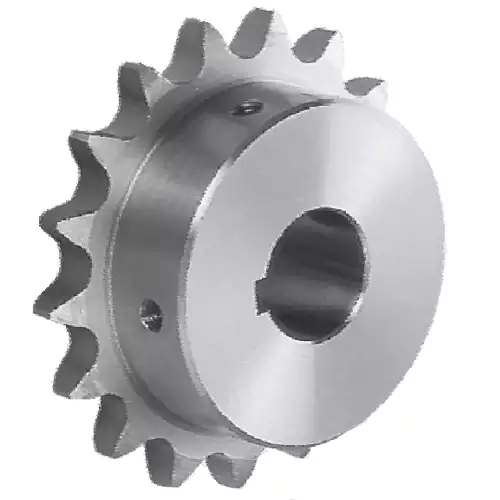
Learn to spot wear on finished bore sprockets by checking for hooked or thinned teeth, chain roller indentations, surface pitting, and unusual noise or vibration during operation.
We use cookies to offer you a better browsing experience, analyze site traffic and personalize content. By using this site, you agree to our use of cookies. Privacy Policy

 29 2026-05
  28 2026-05
  27 2026-05
  25 2026-05
  22 2026-05
  21 2026-05
  20 2026-05
  19 2026-05
  15 2026-05
  14 2026-05
 Raydafon